
DEVELOPED COUNTRIES ACCUSED OF HINDERING GLOBAL CLIMATE FINANCE EFFORTS
Read Time:1 Minute, 42 Second
By; Ganiyat Sunmola
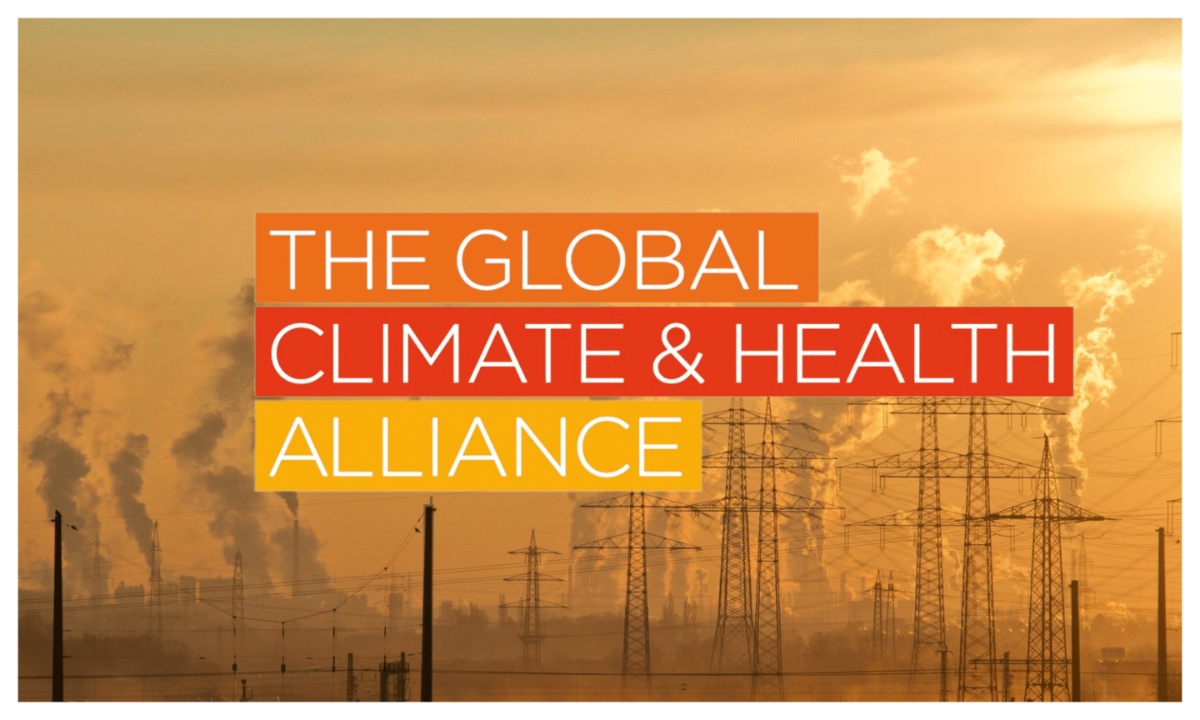
The Global Climate and Health Alliance (GCHA) has criticised developed countries for allegedly obstructing negotiations on the Global Goal on Adaptation (GGA) and efforts to mobilise adaptation finance aimed at protecting lives globally.
The criticism was contained in a statement released on Friday following the 2026 Bonn Climate Change Conference in Germany, a mid-year session under the United Nations Framework Convention on Climate Change (UNFCCC).
The health-focused organisation said that during the negotiations, developed nations appeared to have backtracked on their commitment to triple climate finance by 2025, a pledge made at COP30 in Brazil.
Jess Beagley, Policy Lead at GCHA, stated that without adequate funding for adaptation, meaningful progress in climate and health outcomes would be impossible.
“There can simply be no health without finance for adaptation action,” she said, adding that this also applies to broader climate funding, including mitigation and loss and damage support.
The Global Goal on Adaptation, established under Article 7.1 of the 2015 Paris Agreement, aims to place climate adaptation on equal footing with emissions reduction in global climate priorities.
Meanwhile, Article 9(1) of the agreement requires developed countries to provide financial resources to assist developing nations in mitigation and adaptation efforts as part of their existing obligations.
Beagley argued that many developing countries, already experiencing severe climate-related health impacts, are unable to implement their national climate plans without grant-based financial support.
She further alleged that developed countries have slowed progress in negotiations by failing to properly prioritise climate finance commitments.
According to her, this challenge is worsened by the influence of polluting industries, particularly fossil fuel interests, which continue to hinder progress on emissions reduction and scientific action.
Separately, researcher Dr Nova Tebbe called for stronger support for the Intergovernmental Panel on Climate Change (IPCC), warning that climate policy must remain firmly grounded in scientific evidence.
The public health policy expert also advocated for greater inclusion of data from developing and vulnerable countries, as well as protection of IPCC findings and recommendations from external influence.


Happy
0 %

Sad
0 %

Excited
0 %

Sleepy
0 %

Angry
0 %

Surprise
0 %
 0
0
 0
0