
INSECURITY: FG MOVES TO IMPROVE SECURITY
Read Time:2 Minute, 51 Second
The Federal Government has said it wants to improve Nigeria’s system for preventing conflicts by making early warning and response systems better. This comes as there are still many security problems in Nigeria and other parts of Africa.
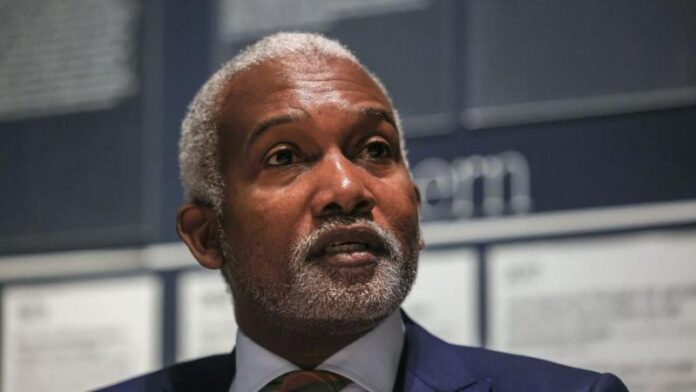
The Minister of Foreign Affairs, Ambassador Yusuf Tuggar, made this statement in Abuja on Wednesday during a session aimed at improving and training the National Early Warning Response Group.
He was represented at the event by the ministry‘s spokesperson, Kimiebi Ebienfa.
In his speech, Tuggar mentioned that the session was organized by the Institute for Peace and Conflict Resolution, along with Strengthening Peace and Resilience in Nigeria, a project funded by the British Foreign, Commonwealth and Development Office.
The minister said the partnership was aimed at improving collaboration among members of the National Early Warning Response Group and building a more effective Early Warning and Early Response system.
“This initiative, without a doubt, demonstrates your dedication and commitment to fulfilling your mandate, particularly in preventing conflict, building resilience, enhancing security, promoting regional cooperation, and ensuring socio-economic development in Nigeria and across Africa,” he said.
Tuggar said that many countries still deal with violent conflicts and feelings of insecurity, such as political unrest, bandit attacks, terrorism, extreme violence, and organized crime that crosses national borders.
He said climate change and the spread of small arms and light weapons had worsened insecurity, particularly in the Sahel region.
“We must acknowledge the imperative of a comprehensive, data-driven, and effective Early Warning and Early Response system in addressing the multitude of peace and security challenges confronting the world,” he said.
He mentioned that Nigeria’s approach to dealing with security issues follows the 4-D Foreign Policy Doctrine of the current government. This policy focuses on development, helping the diaspora, managing population trends, and strengthening democracy.
Tuggar also talked about Nigeria’s involvement in handling political problems in nearby countries as part of its efforts to ensure regional security.
“Nigeria has continually evolved strategic pathways to confront these challenges and address threats to peace and security both within our nation and across Africa,” he said.
According to the minister, the engagement session was intended to improve coordination, early warning reporting and response among stakeholders involved in peace and security.
“In essence, we are committed to enhancing collaboration, improving early warning reporting, and strengthening corresponding responses from stakeholders across the peace and security ecosystem in Nigeria and Africa,” he said.
He mentioned that people coming from different organizations would help the National Conflict Early Warning and Early Response System, which is run by the Institute for Peace and Conflict Resolution.
In recent years, Nigeria has faced many difficult security problems at the same time.
These include attacks by groups in the North-East, criminal activities in the North-West, fighting between farmers and herdsmen, and movements for separation and conflicts between different communities in other parts of the country.
These issues have caused many deaths, forced people to leave their homes, and put a lot of pressure on how the government runs things.
They have also messed up people‘s daily lives and hurt the country‘s progress in society and the economy.
In the broader West African and Sahel regions, similar dangers continue.
These are caused by political problems, borders that are hard to control, and the spread of illegal weapons, all of which are making it harder to keep peace and stability in the area.


Happy
0 %

Sad
0 %

Excited
0 %

Sleepy
0 %

Angry
0 %

Surprise
0 %
 0
0
 0
0