
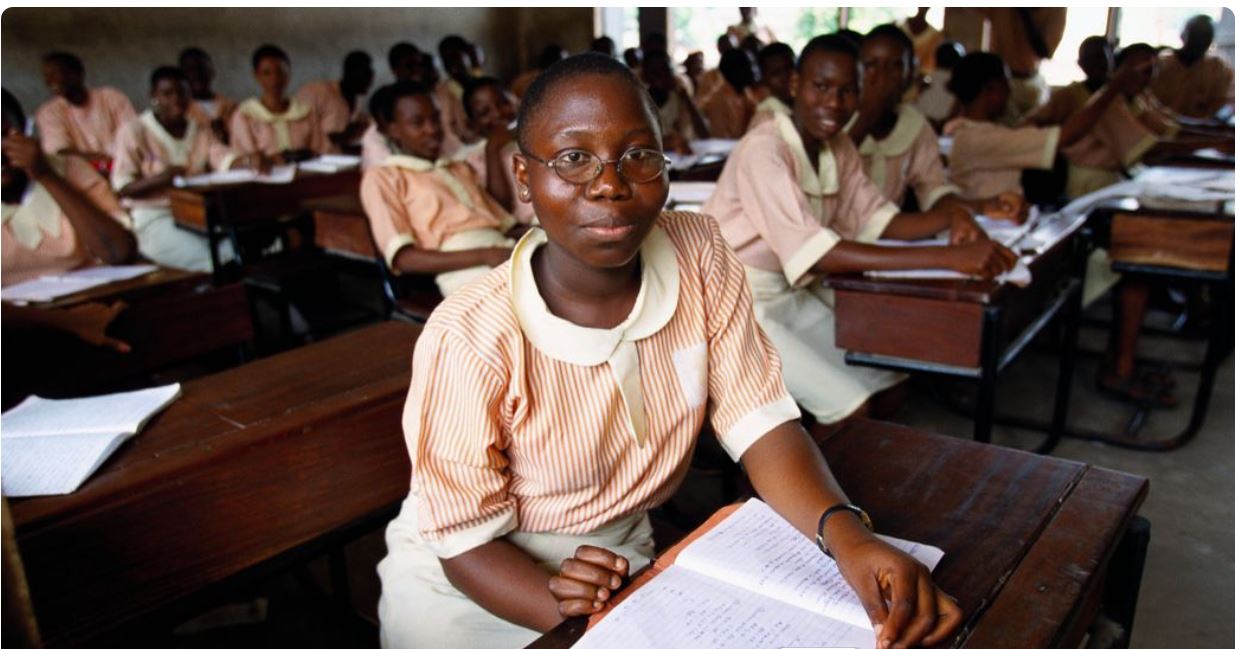
FG REINTRODUCES HISTORY INTO BASIC EDUCATION AFTER 15 YEARS
Read Time:1 Minute, 23 Second

BY OWOLABI OLUWADARA
The Federal Ministry of Education affirmed the development in a proclamation on Wednesday, September 17, indicating that the reform seeks to enhance national identity, unity, patriotism, and responsible citizenship.
“For the first time in several decades, Nigerian students will study History consistently from Primary 1 to JSS3, while SSS1–3 learners will engage in the new Civic and Heritage Studies, amalgamating History with Civic Education,” the ministry stated.
Under the revised framework, students in Primary 1–6 will be educated about Nigeria’s genesis, heroes, leaders, culture, politics, economy, religions, colonial governance, and post-independence administration.
Junior Secondary School (JSS) learners will concentrate on civilizations, empires, trade, European interactions, amalgamation, independence, democracy, and civic principles.
According to the ministry, the reform is “an invaluable gift to the nation, reestablishing a connection for children with their heritage while fostering pride, unity, and dedication to national advancement. ”
READ MORE:
FUBARA, DEPUTY RETURN TO POWER AS RIVERS EMERGENCY RULE ENDS
The government has disseminated the updated curriculum, with intentions to requalify educators, furnish educational resources, and enhance oversight to guarantee effective implementation.
History was excised from the curriculum in 2009 following the introduction of the New Basic Education Curriculum. At that juncture, officials contended that the subject held minimal career significance, students rejected it, and there existed a deficiency of qualified instructors.
Efforts to reinstate it commenced in 2017, with pilot training for educators initiated in 2022. The recent decision now establishes History as a permanent component of Nigeria’s educational framework.
Education stakeholders have lauded the reform, perceiving it as a progression towards reigniting patriotism among young Nigerians.


Happy
0 %

Sad
0 %

Excited
0 %

Sleepy
0 %

Angry
0 %

Surprise
0 %
 0
0
 0
0