
KWARA FLAGS DRUG ABUSE AS MAJOR THREAT TO PUBLIC HEALTH AND SECURITY
Read Time:3 Minute, 40 Second
By: Sunmola Ganiyat
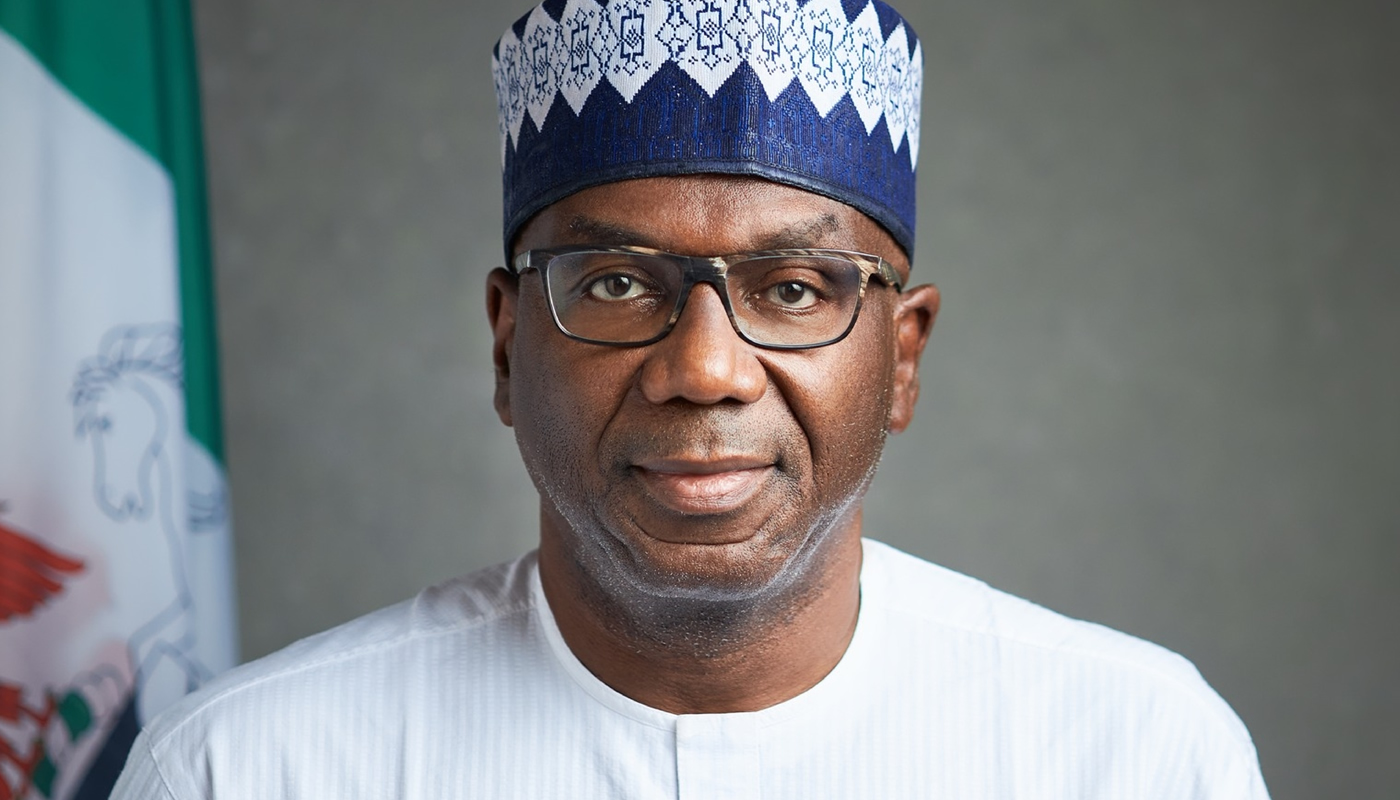
The Kwara State Governor, AbdulRahman AbdulRazaq, has expressed renewed concern over the growing prevalence of drug abuse among young people, warning that the trend poses serious risks to public health, security, and the future of the state’s youth population.
He raised the alarm on Tuesday in Ilorin during the Anti-Substance Abuse Programme Stakeholders Conference organised by the MTN Foundation to commemorate the 2026 International Day Against Drug Abuse and Illicit Trafficking.
The conference brought together stakeholders, including the Kwara State Government, the National Drug Law Enforcement Agency (NDLEA), and the MTN Foundation, who all called for stronger collaboration to combat substance abuse in communities.
In his keynote address, AbdulRazaq described drug abuse as a complex challenge with wide-ranging implications for health systems, social stability, and economic development.
READ MORE…
HISTORIC TREND RAISES QUESTIONS OVER RONALDO’S 2026 WORLD CUP CHANCES
He stressed that drug abuse should not be viewed solely as a law enforcement issue but also as a major public health and developmental concern threatening the future of young people.
According to him, “Drug abuse is not merely a law enforcement issue; it is a public health concern, a developmental challenge, and a threat to the future of our youths.”
The governor warned that evolving drug trafficking networks and the rising availability of synthetic substances were increasing the vulnerability of young people, calling for coordinated and innovative responses.
He noted that the menace disrupts education, weakens families, fuels criminal activity, reduces productivity, and places additional pressure on healthcare and social welfare systems.
AbdulRazaq also outlined the state government’s multi-pronged strategy to address the crisis, which includes prevention, treatment, rehabilitation, and enforcement.
He disclosed that one of the administration’s key initiatives is the introduction of mandatory drug testing for students in tertiary institutions across Kwara State.
He explained that the policy is intended to promote early detection and timely intervention rather than stigmatise or punish students.
“This policy is not intended to stigmatise or punish young people. Rather, it is a proactive measure aimed at early detection, timely intervention and the provision of appropriate support services,” he said.
The governor further revealed ongoing work on a specialised rehabilitation centre designed to treat substance use disorders in the region.
He said the facility, when completed, would serve not only Kwara residents but also provide treatment services to people from neighbouring North Central and South-West states.
Speaking on behalf of the First Lady, Olufolake AbdulRazaq, the Commissioner for Social Development, Mariam Nna-Fatima, emphasised that drug abuse poses a direct threat to youth productivity and wellbeing.
She called for collective responsibility in addressing the crisis, noting that parents, schools, religious institutions, community leaders, development partners, and the private sector all have critical roles to play in prevention, intervention, and rehabilitation.
She urged stakeholders to move beyond awareness campaigns and take concrete action, adding that “every child saved from drug abuse is a future secured for Kwara State and Nigeria.”
The MTN Foundation reaffirmed its commitment to youth-focused interventions through its Anti-Substance Abuse Programme, launched in 2019.
Represented by Senior Lead for Sales and Trade Development, Valentina Obayemi, the Foundation’s Chairman, Dr. Mosun Belo-Olusoga, said the initiative remains focused on protecting young Nigerians through sustained awareness and prevention campaigns.
She noted that the programme continues to expand its reach, engaging thousands of students across multiple states to provide early education on the dangers of drug abuse.
The Commander of the NDLEA in Kwara State, Fatima Popoola, highlighted the state’s strategic location as a transit point for drug trafficking routes, making it particularly vulnerable to illicit drug activity.
She warned that drug movement from southern to northern regions often spills into Kwara communities, urging stronger efforts to curb the inflow of illegal substances.
Popoola also linked drug abuse to rising insecurity and called for greater involvement of parents and community leaders in prevention efforts.
The Commissioner for Education and Human Capital Development, Lawal Olohungbebe, also stressed the importance of community participation in tackling substance abuse, noting that collective action is essential to breaking destructive habits and promoting positive societal development.
Drug abuse remains a significant public health and security challenge in Nigeria, particularly among young people, with authorities warning that the increasing availability of illicit and prescription drugs continues to fuel crime, violence, mental health issues, and school dropouts.


Happy
0 %

Sad
0 %

Excited
0 %

Sleepy
0 %

Angry
0 %

Surprise
0 %
 0
0
 0
0