
LAGOS BLUE LINE EXTENSION TO ALAKIJA, FESTAC, TRADE FAIR, TARGETED FOR FEBRUARY 2027, RED LINE SERVICES TO INCREASE
Read Time:6 Minute, 12 Second
By Aishat Momoh. O.
……. plans 25 water transport terminals, 78 Electric Ferries,
……. automates driver’s license process, targets 10-minute renewal
The Lagos State Government has announced plans to extend operations of the Blue Line Rail to three additional stations at Alakija, Festac and Trade Fair by the end of February 2027, as part of efforts to expand public transportation infrastructure and improve mobility across the state.
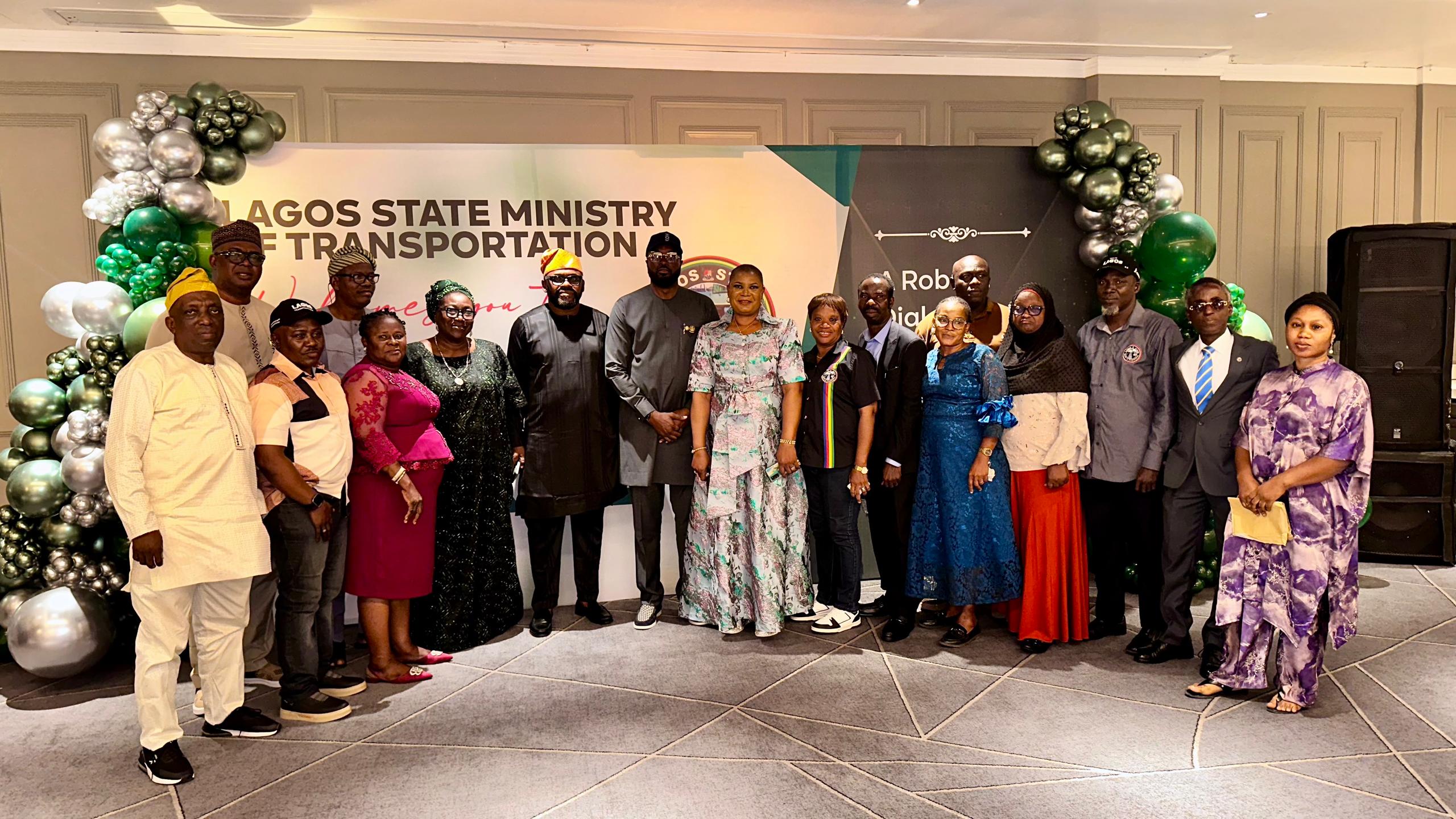
The disclosure was made during a media parley organised by the Lagos State Ministry of Transportation, where officials of agencies under the ministry provided updates on ongoing and planned transport projects aimed at delivering an integrated, efficient and regulated public transportation system.
Speaking at the parley, the Managing Director of the Lagos Metropolitan Area Transport Authority (LAMATA), Engr. Abimbola Akinajo, said the Blue Line, which currently operates to Mile 2, would be extended to the three additional stations in the next phase of its development.
She explained that the extension forms part of the state’s broader vision to expand the rail corridor towards Okokomaiko in phases.
On the Red Line, Akinajo disclosed that three additional eight-car train sets were expected to join the fleet in November 2026. The development is projected to increase the number of daily train services from nine to 20 initially, with a further increase to 28 services before the end of 2027.
Akinajo noted that the state had adopted a gradual expansion strategy for rail operations, citing the growth in Blue Line services from 12 to 92 as an indication of the approach being applied to the Red Line.
The LAMATA managing director also announced that infrastructure works on four major Quality Bus Corridors, including their terminals and depots, were expected to be completed by February 2027.
As part of efforts to reduce emissions from public transportation, she said the state was phasing out the procurement of new diesel-powered buses, focusing instead on compressed natural gas (CNG) and electric buses in line with the broader ambition of achieving net-zero emissions by 2050.
She added that more CNG buses were expected to be introduced within the next five to six months, while transport unions had also demonstrated support for the initiative by providing 15 buses to strengthen public transportation services.
According to her, the collaboration between the government and transport unions is aimed at building a unified and regulated public transport system for Lagos residents.
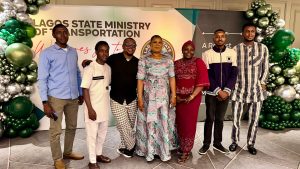
Also speaking at the media parley, an official involved in the state’s water transportation project disclosed that the initiative would deliver 25 terminals and jetties and introduce approximately 78 electric ferries into the existing water transportation network.
The project is also expected to incorporate an Intelligent Transport System (ITS) to improve integration between water transportation and other public transport services.
The official said the government was reviewing and redesigning ferry routes, with priority routes to be identified following updated demand studies. The initiative is intended to improve connectivity for coastal communities, provide more accessible transportation for underserved residents and help children in riverine communities access educational facilities.
He emphasised that the expansion of water transportation was designed to complement, rather than compete with, land-based transport systems.
Addressing concerns about the pace of implementation following the project’s launch, the official explained that it was a five-year programme scheduled to run from 2026 to 2030, with implementation currently at the design and planning stage.
He said the first batches of electric ferries were expected to arrive in Lagos around 2028, while full commencement of operations was envisaged around 2031, subject to the delivery of the terminals and other supporting infrastructure.
The official further disclosed that two major consultancy teams had been engaged: project management and design consultants, as well as Engineering, Procurement and Construction Supervision (EPCS) consultants.
He explained that the consultants would update previous passenger-demand studies to determine the number, size and passenger capacity of ferries required for different routes. The planned ferry capacities range from approximately 50 to 400 passengers, depending on demand and operational requirements.
According to him, the government would also undertake the necessary land acquisition processes, including identifying affected properties and compensating displaced persons before construction begins.
Land acquisition activities were expected to commence in 2027, while construction could begin in 2028 or 2029, subject to the completion of the necessary processes.
The official added that the project would follow established procurement procedures, with funding support from international development partners identified during the briefing as the AFD, the European Union and the AIB.
He said that although physical construction might not yet be visible, significant preparatory work was ongoing to ensure that the infrastructure, vessels and operational systems would be properly coordinated.
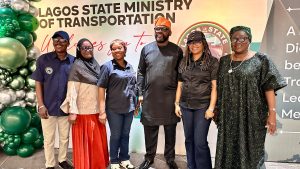
In a related development, the Lagos State Government has announced plans to introduce an automated driver’s licence processing system in 2027, with renewed licences expected to be issued within 10 minutes and new licences within 30 minutes.
The Permanent Secretary of the Motor Vehicle Administration Agency (MVAA), Rasheed Muri-Okunola, disclosed this at the media parley, saying testing was ongoing ahead of the planned rollout.
He explained that the system would enable applicants to begin the process from home before visiting designated centres for biometric capture and other required procedures.
The initiative is expected to address persistent delays in driver’s licence issuance, with some applicants reportedly waiting months or years after payment to receive their licences.
Muri-Okunola said the state had signed a concession agreement with a consultant to support the automation of the agency’s operations.
The programme will also cover vehicle documentation and number plate processing, allowing motorists to complete more administrative procedures without repeated visits to government offices.
Lagos to deploy over 2,000 LASTMA personnel during December rush
Meanwhile, the Lagos State Traffic Management Authority (LASTMA) has announced plans to deploy more than 2,000 personnel to major traffic corridors and commercial centres during the December festive season.
The agency’s general manager said the deployment would be supported by recovery vehicles and overnight operations to manage traffic congestion and respond to incidents during the anticipated increase in vehicular movement.
He disclosed that more than 365 traffic incidents were recorded between January and September on the Toll Gate-to-Kara Bridge corridor, resulting in approximately 15 deaths.
More than 860 incidents were also recorded on the Coastal Road during the same period, with about 17 fatalities, according to the official.
The planned deployment is expected to strengthen traffic management during the festive period, when increased travel and commercial activities typically put pressure on major roads across the state.
Parking authority plans technology-driven payments
The Lagos State Parking Authority also announced plans to expand its operations and introduce technology-driven parking payment systems, including cashless transactions and mobile phone payments.
The proposed measures are expected to make parking payments more convenient while supporting improved management of parking facilities across the state.
The updates highlight the Lagos State Government’s continuing efforts to strengthen the integration of rail, road and water transportation, improve transport administration and ease congestion.
The Ministry of Transportation’s media parley provided an opportunity for officials of its agencies to explain progress on major projects, outline implementation timelines and respond to questions about the state’s transportation plans.
The government is expected to continue expanding public transport capacity through additional rail services, improved bus infrastructure, cleaner-energy buses, automated vehicle administration, technology-driven parking systems and the development of water transportation facilities to support the growing mobility needs of Lagos residents.


Happy
0 %

Sad
0 %

Excited
100 %

Sleepy
0 %

Angry
0 %

Surprise
0 %
 1
 0