
LAGOS REAFFIRMS COMMITMENT TO SUSTAINABLE URBAN DEVELOPMENT, DIGITAL INNOVATION
Read Time:3 Minute, 54 Second
By: Fasasi Hammad
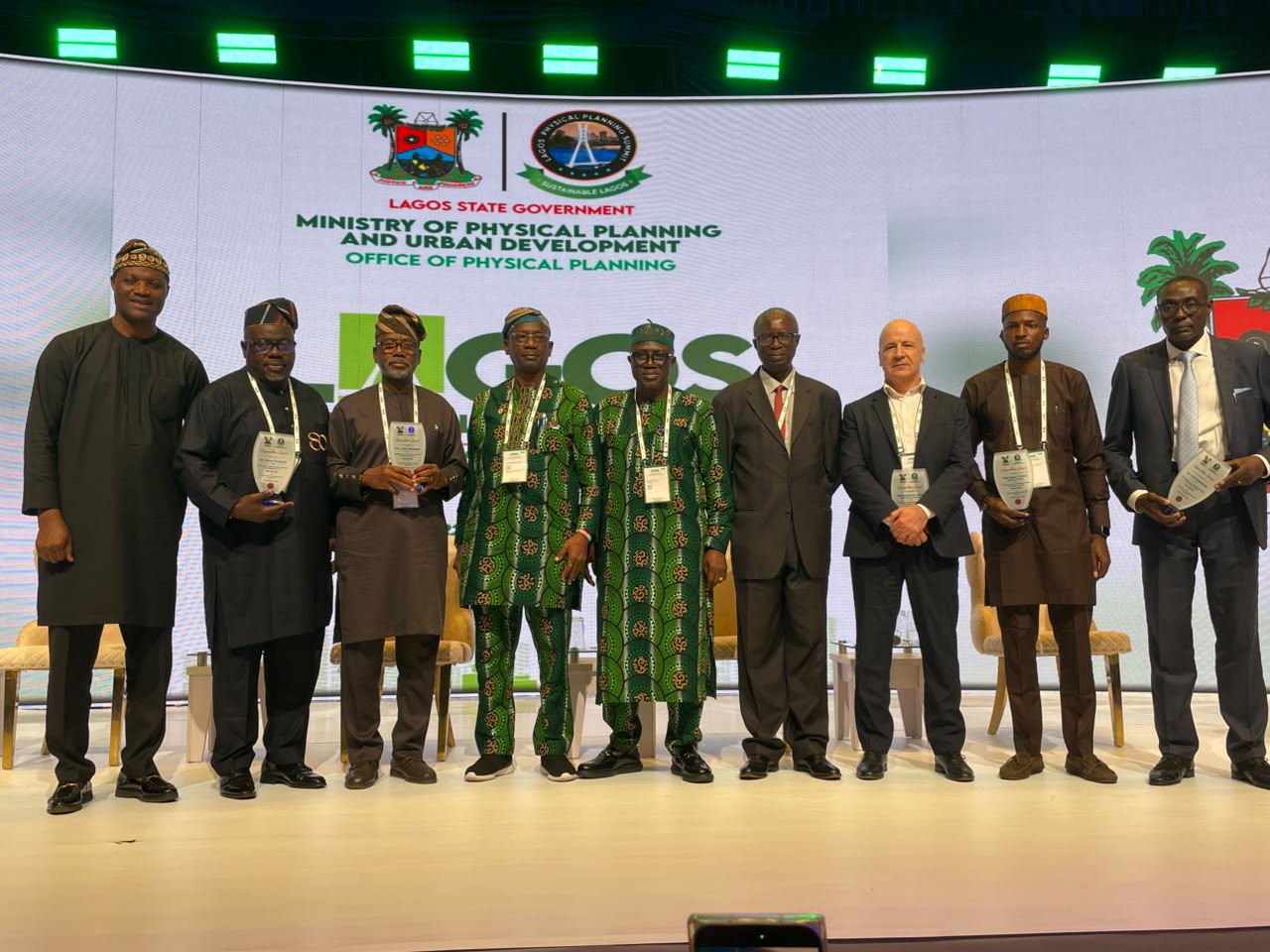
The Lagos State Government has reiterated its commitment to sustainable urban development, digital innovation and strategic investment, stressing the need to translate development plans into practical solutions that improve residents’ quality of life.
The commitment was highlighted at the second edition of the Physical Planning Summit, held on Thursday, October 22, 2026, at Eko Hotel, Lagos, with the theme, “Diagnosis to Delivery: Positioning Lagos for Regional Strategic Development and Priority Investment Agenda.”
At the summit, the Honourable Commissioner for Physical Planning and Urban Development highlighted the state’s achievements in planning reforms and outlined key priorities for tackling the challenges associated with rapid urbanisation.
The Commissioner disclosed that Lagos commenced the implementation of its electronic physical planning system on April 1, 2026, allowing property owners and developers to submit and process planning permit applications online.
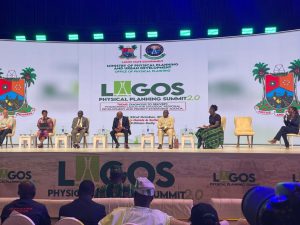
The initiative aims to simplify approval procedures, reduce delays, minimise human interference and promote transparency in physical planning administration.
The state has also adopted Geographic Information System (GIS) technology and digital mapping to improve land-use management, support informed planning decisions and strengthen the monitoring of urban development.
Similarly, the completion of the Lagos Island Model City Plan and other planning initiatives demonstrates the government’s continued efforts to promote coordinated urban growth.
However, the Commissioner emphasised that the focus must now shift towards translating these plans into tangible improvements in infrastructure, housing, transportation and environmental management.
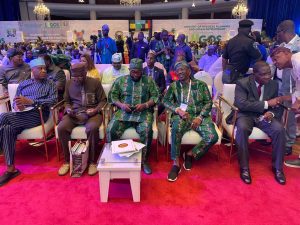
The summit acknowledged the contributions of successive administrations to Lagos’ development, including the establishment of dedicated ministries for environmental management and physical planning, the creation of 37 Local Council Development Areas alongside the state’s 20 local government areas, and the introduction of computerised land registration systems.
Under former Governor Babatunde Raji Fashola, Lagos recorded notable progress in road construction and rehabilitation, drainage infrastructure, environmental sanitation and urban development.
His administration also introduced the Bus Rapid Transit (BRT) system in 2008, implemented environmental initiatives such as Operation Green Lagos and supported the upgrading of approximately 760 hectares of informal settlements through a World Bank-supported development programme.
Other major projects and initiatives highlighted at the summit included the Lekki-Epe corridor, Lekki Free Trade Zone, Eko Atlantic project and light-rail development plans, all of which have contributed to shaping the state’s urban and economic landscape.
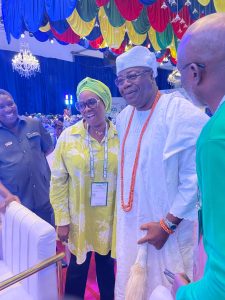
These achievements underscore the importance of sustained investment, institutional reforms and effective planning in managing the growth of one of Africa’s leading economic centres.
Despite these milestones, Lagos continues to grapple with rapid population growth, housing shortages, traffic congestion and mounting pressure on existing infrastructure.
The summit identified the disconnect between planning, financing and implementation as a major obstacle to achieving the state’s development objectives.
Stakeholders stressed the need to move beyond preparing development plans to executing projects that deliver measurable improvements in residents’ lives.
To address these challenges, the summit outlined six key priorities: prioritising projects with significant economic, social and environmental benefits; aligning development plans with budgetary allocations; strengthening institutional accountability; coordinating infrastructure investments; promoting transparent monitoring; and measuring success through tangible outcomes.
These outcomes include reduced commuting times, more affordable housing, improved flood management, better access to infrastructure and an overall improvement in residents’ quality of life.
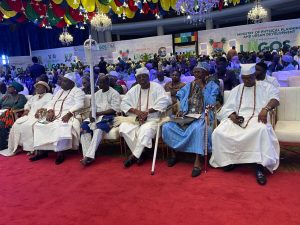
The summit also emphasised the importance of regional collaboration, particularly among states in the Southwest, in tackling shared challenges involving transportation, housing, infrastructure and environmental management.
Strengthening cooperation through a Committee of Commissioners for Physical Planning was identified as part of broader efforts to promote integrated regional development.
The Commissioner further highlighted the need for increased private-sector participation, noting that public funding alone would be insufficient to meet the infrastructure demands of a rapidly expanding megacity.
Public-private partnerships and other viable investment arrangements were therefore identified as important mechanisms for financing priority projects and accelerating development.
Stakeholders, including town planners, architects, engineers, developers, traditional rulers and community leaders, were urged to strengthen collaboration with the government to promote compact, mixed-use and transit-oriented communities.
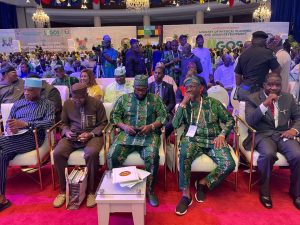
Such communities, they noted, would improve mobility, support economic activities and enhance residents’ welfare.
The summit reaffirmed that physical planning remains fundamental to the future of Lagos, shaping where people live, how they travel, where businesses operate and how infrastructure is provided.
While acknowledging the foundations laid by successive administrations, stakeholders maintained that the next phase of development must prioritise effective implementation, accountability, coordinated investment and measurable results.
The ultimate goal is to translate the state’s development ambitions into safer communities, improved housing, efficient transportation, cleaner environments and greater economic opportunities for residents.
The central message of the summit was clear: Lagos must move beyond planning for progress to delivering tangible improvements that residents can see and experience.


Happy
0 %

Sad
0 %

Excited
0 %

Sleepy
0 %

Angry
0 %

Surprise
0 %
 0
 0