
NIGERIA AT 66: CITIZENS DECRY RISING HARDSHIP, INSECURITY, HIGH COST OF LIVING
Read Time:2 Minute, 38 Second
By: Fasasi Hammad
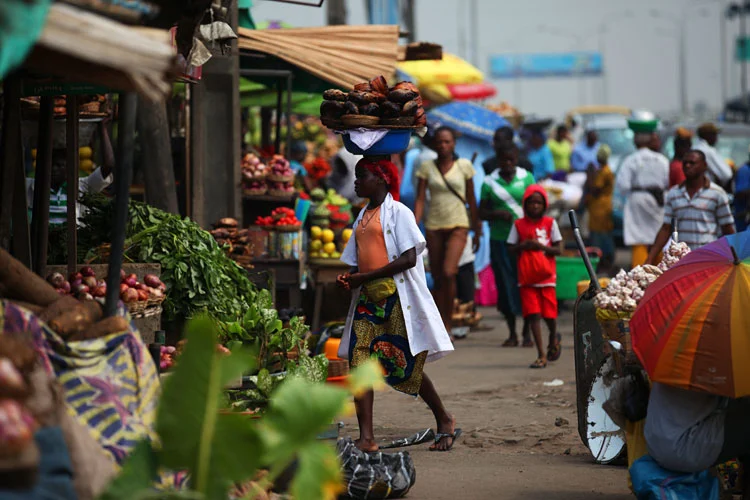
Nigerians have expressed mixed reactions to the state of the country as Nigeria marked its 66th Independence anniversary on October 1, 2026, with many lamenting economic hardship, insecurity and other challenges confronting citizens.
Those who spoke with the media expressed concerns over the rising cost of living and security situation, while calling for greater resilience, responsible leadership and collective efforts to address the country’s challenges.
A retired civil servant, Mr James Adamu, said the country’s early leaders made significant efforts toward national development after independence.
According to him, the administrations of Dr Nnamdi Azikiwe, Ahmadu Bello, Tafawa Balewa and other early leaders were characterised by fairness in leadership and relative peace across the country.
He, however, lamented that tribalism, favouritism and other negative practices had emerged over the years, contributing to challenges in security, agriculture and the provision of social amenities.
Similarly, a Peoples Democratic Party (PDP) chieftain in Kaduna State, Suleiman Buhari, expressed concern over what he described as the current leadership situation in the country.
He said insecurity, hardship and other social challenges had become increasingly widespread, with attacks and killings becoming a major concern in several communities.
Buhari also alleged that some highly placed individuals had become involved in criminal activities, including kidnapping, as a means of making money.
An All Progressives Congress (APC) chieftain in Kaduna State, Adamu Maiyaki, said the difficulties confronting Nigerians had reached a point where citizens needed to reflect honestly on how to move the country forward.
He urged Nigerians to stop blaming one another and instead work toward creating a society where everyone could feel a sense of belonging.
“We need to be sincere with one another on how best to pilot the affairs of the land so that everybody will feel a sense of belonging in the country,” he said.
Other Nigerians also expressed frustration over the high cost of living, rising transportation fares and increasing food prices.
Some argued that, despite 66 years of independence, significant improvements in citizens’ overall welfare remained difficult to identify across several sectors.
A lecturer at Kaduna State University, Timothy Saleh, said recent economic reforms, including the removal of the fuel subsidy, had yet to provide meaningful relief for many Nigerians.
He noted that government assurances that increased revenues would translate into improved welfare had not been sufficiently reflected in the lives of many households.
Saleh also raised concerns about the growing gap between the living conditions of ordinary Nigerians and those of some government officials.
He further highlighted insecurity in parts of the country, particularly the activities of bandits in some rural communities, where farmers have reportedly faced restrictions and demands for payments before accessing their farmlands.
“That is Nigeria at 66. Is that what we have to celebrate? These are serious tragedies that need serious attention to be rectified,” he said.
Saleh added that ongoing security challenges, including abductions and safety concerns outside major urban centres, remained a major source of anxiety for families and business owners.
He called for stronger and more effective measures to tackle insecurity and restore confidence among Nigerians as the country moves beyond its 66th year of independence.


Happy
0 %

Sad
0 %

Excited
0 %

Sleepy
0 %

Angry
0 %

Surprise
0 %
 0
0
 0
0