
TWO EBOLA SURVIVORS RELEASED IN DR CONGO
Read Time:2 Minute, 28 Second
BY OWOLABI OLUWADARA
Health authorities in the Democratic Republic of Congo have communicated that the initial two patients receiving treatment for Ebola in the Bulape health zone, located in Kasai Province, have completely recovered and been released from the local treatment facility.
This information was shared by the World Health Organization’s Regional Office for Africa on its social media platform on Tuesday.
This achievement represents a notable advancement in the nation’s persistent battle against the virus, which resurfaced in the area earlier this month.
The recoveries were facilitated by enhanced clinical care and prompt response strategies implemented over the preceding week.
These initiatives were backed by the Ministry of Health in DR Congo, with assistance from the WHO, Médecins Sans Frontières, ALIMA, and other humanitarian collaborators operating in the region.
READ MORE:
“@MinSanteRDC—with support from @WHO, @MSF, @ALIMA_ORG, and other partners—has expedited response measures to enhance the quality of clinical care during the past week.
“Efficient control strategies are being executed to mitigate the dissemination of the virus, preserve lives, and conclude the outbreak as swiftly as possible,” posted WHO.
On September 4, health officials in the DR Congo announced an outbreak of Ebola virus disease in Kasai Province.
The last outbreak of Ebola virus disease in the DR Congo affected the northwestern Equateur Province in April 2022.
It was contained within three months, owing to vigorous efforts from the health authorities. In Kasai Province, previous incidences of Ebola virus disease were noted in 2007 and 2008. Overall, there have been 15 outbreaks in the country since the disease’s initial identification in 1976.
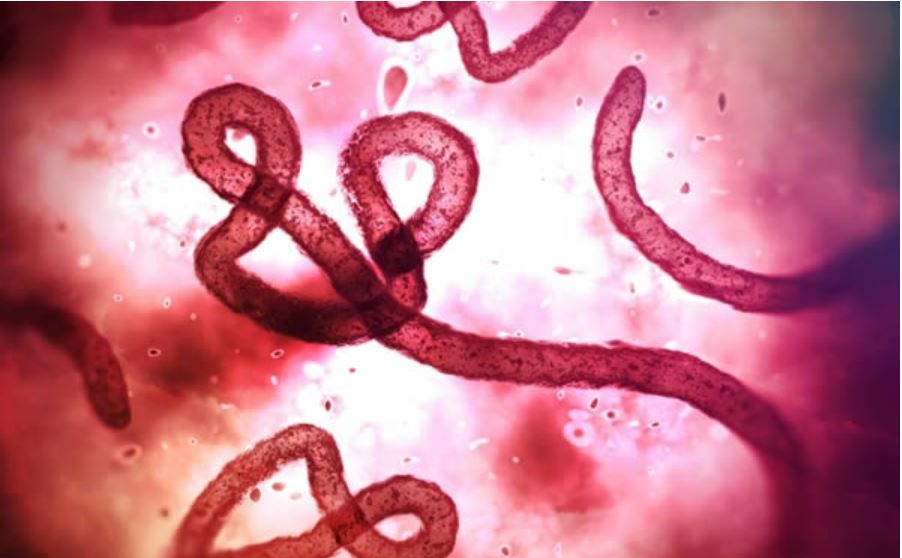
Ebola virus disease constitutes a rare yet severe and frequently lethal condition in humans. It is transmitted to individuals through close contact with the blood, secretions, organs, or other bodily fluids of infected animals, such as fruit bats, which are believed to be the natural hosts.
Human-to-human transmission occurs via direct contact with the blood or bodily fluids of an individual who is ill with or has succumbed to Ebola; through objects tainted with the bodily fluids of an infected person; or through the remains of someone who has died from the disease.
As of September 4, 2025, the WHO reported 28 suspected cases, including 15 fatalities (case fatality ratio: 54 percent), from three regions of the Bulape health zone (Bulape, Bulape Com, and Dikolo) and the Mweka health zone. Among the deceased, four were healthcare professionals. Approximately 80 percent of the suspected cases involve individuals aged 15 years and older.
Simultaneously, the global health organization stated that an initial 400 doses of the Ervebo Ebola vaccine from the country’s stockpile of 2,000 doses strategically positioned in the capital, Kinshasa have been dispatched to Bulape, one of the current outbreak hotspots.
It indicated that additional doses would be sent to the affected areas in the coming days.


Happy
0 %

Sad
0 %

Excited
0 %

Sleepy
0 %

Angry
0 %

Surprise
0 %
 0
0
 0
0