
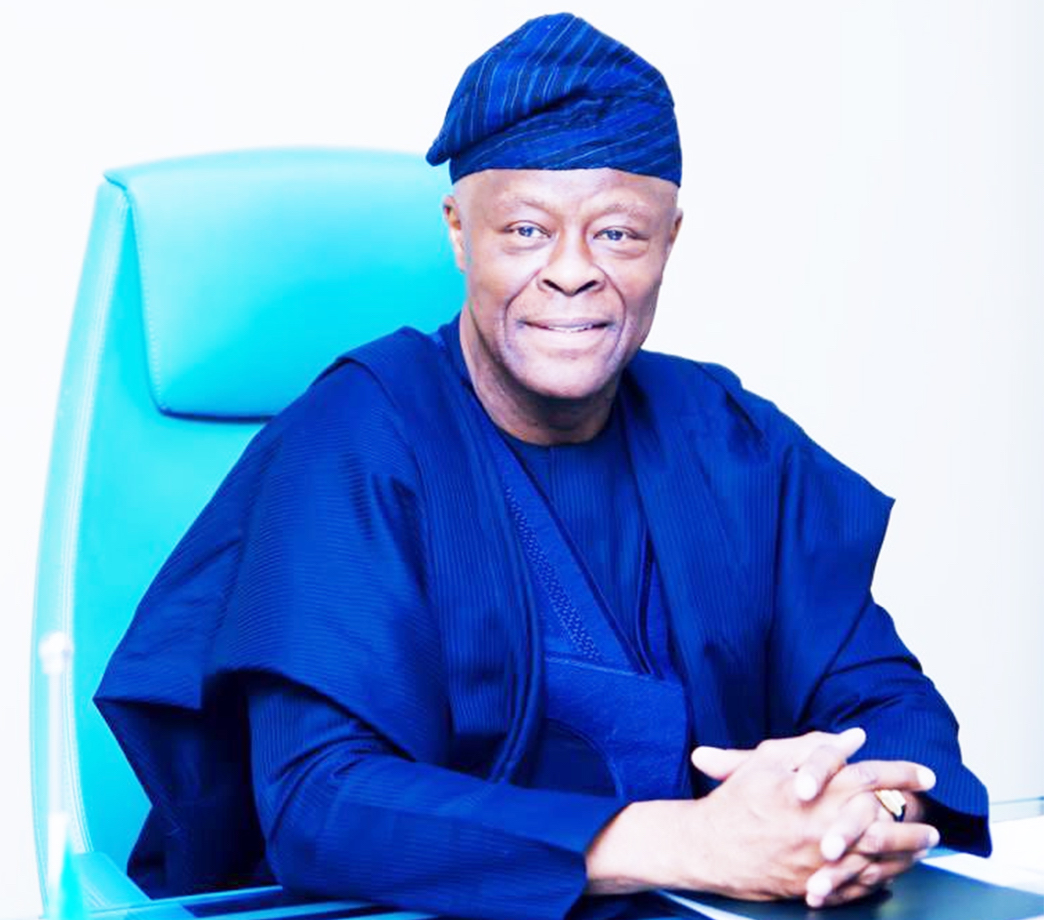
NIGERIA EXPECTED TO ACHIEVE 4.7% ECONOMIC GROWTH – EDUN
Read Time:2 Minute, 31 Second

By: Fasasi Hammad
Minister of Finance and Coordinating Minister for the Economy, Mr. Wale Edun, has projected that Nigeria’s economy will grow by 4.68 per cent in 2026, driven by an investment-led, inclusive growth strategy aimed at creating jobs and improving citizens’ welfare.
Edun made the remarks on Thursday in Lagos while delivering the keynote address at the launch of the Nigerian Economic Summit Group (NESG) Macroeconomic Outlook Report for 2026. He said the growth projection aligns with the government’s medium-term target of achieving seven per cent annual growth and building a one-trillion-dollar economy by 2030.
According to Edun, average inflation is expected to settle at 16.5 per cent, while the exchange rate is projected at around N1,400 per dollar.
“The 2026 budget, titled ‘Budget of Consolidation, Renewed Resilience and Shared Prosperity,’ reflects President Bola Tinubu’s commitment to ensuring that macroeconomic gains translate into tangible improvements in Nigerians’ daily lives,” he said, noting that the focus is on electricity supply, food availability, and overall welfare.
Edun highlighted that the budget deficit, estimated at about four per cent of GDP, reflects Nigeria’s ambitious development priorities and the government’s determination to accelerate growth. He stressed that recent economic reforms and stabilization measures have shifted policy focus toward driving growth through increased investment.
“Ongoing investments in digital infrastructure, including over 90,000 kilometres of fibre optic cables in collaboration with the World Bank and the Ministry of Communications, aim to empower young Nigerians and foster technology-driven growth,” he added.
The minister outlined four key objectives guiding the reform programme: consolidating macroeconomic stability, improving the business and investment climate, strengthening human capital while protecting vulnerable populations through social protection, and stimulating broad-based economic growth.
On fiscal performance, Edun said that despite shortfalls in oil and gas revenues, the Federal Government prioritized fiscal federalism, transparency, and accountability, ensuring that funds due to states and sub-national governments were fully disbursed. Many states recorded budget surpluses of about three per cent, enabling increased investment in health, education, and public services.
READ ALSO:
2026 BUDGET: N500 MILLION SET ASIDE BY WORKS MINISTRY FOR HAIR AND BEAUTY SERVICES
Edun also highlighted the government’s fiscal discipline, noting that aggregate capital expenditure in 2024 stood at N11.1 trillion, representing 85 per cent implementation, and that all statutory obligations, including debt servicing and salaries, were met.
He emphasized reducing debt dependence, boosting revenue through digitalization and central billing systems, and implementing a new, pro-poor tax law to broaden the tax base and simplify compliance.
Looking ahead, Edun identified key priorities for 2026: enhancing competitiveness through good governance, increasing agricultural productivity and food security, accelerating infrastructure and energy development, and investing in human capital. He encouraged private sector participation and domestic resource mobilization to sustain growth.
“The Federal Government remains committed to translating economic stability into inclusive, job-rich growth and delivering tangible benefits to the average Nigerian,” he concluded.


Happy
0 %

Sad
0 %

Excited
0 %

Sleepy
0 %

Angry
0 %

Surprise
0 %
 0
0
 0
0