
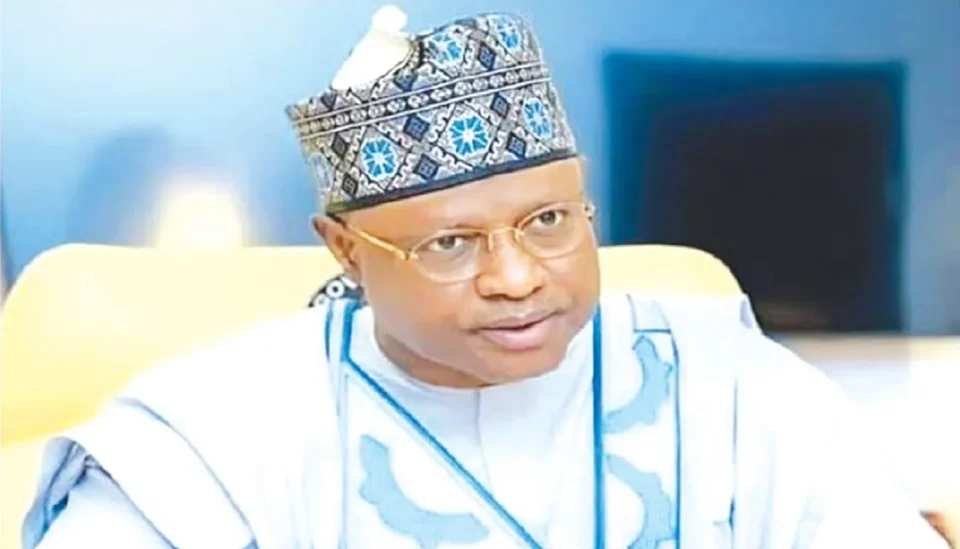
COMMISSIONER: FREE CNG BUSES HAVE REDUCED TRANSPORT COSTS IN KADUNA
Read Time:2 Minute, 37 Second
By:Aminat Tajudeen
The Kaduna State Government has said its free Compressed Natural Gas-powered mass transit scheme has continued to ease the burden of rising transportation costs on residents, 15 months after its launch.
The Commissioner for Information and Culture, Malam Ahmad Mayaki, disclosed this in an interview with our correspondent on Sunday while reacting to President Bola Tinubu’s renewed National Affordable CNG Transit Programme.
Mayaki said Kaduna adopted the CNG transportation initiative before the Federal Government’s latest intervention, noting that the state began operating the free bus service on July 7, 2025, shortly after the President inaugurated 100 CNG buses in Kaduna.
President Tinubu had on September 19, 2026, said the 100 CNG-powered buses operating on major routes in the state transported about 3.2 million passengers within their first year and saved commuters more than N3.5bn in transportation costs.
Mayaki said Kaduna was the only state offering completely free CNG-powered mass transit, while other states had introduced varying levels of fare subsidies.
He explained that the scheme operates across eight routes with 100 buses and approximately 200 bus stops, serving students, civil servants, traders, artisans and other residents.
According to the commissioner, the initiative has reduced the amount residents spend on transportation, allowing them to channel more of their income towards food, family needs and children’s education.
He added that civil servants, in particular, could save between 40 and 50 per cent of their salaries that would otherwise have been spent on transportation.
Mayaki also said the programme had contributed to improved school enrolment and retention by making transportation more accessible for students who might otherwise miss classes or drop out because of transport costs.
He further stated that the scheme had improved access to healthcare, particularly for women visiting hospitals, while reducing transportation-related financial pressure on households.
The commissioner also claimed that the initiative had contributed to easing domestic tensions in some families by leaving households with more disposable income.
On the environmental impact, Mayaki said the transition to CNG-powered buses had helped reduce carbon emissions in the state.
He noted that Kaduna’s initiative preceded the Federal Government’s renewed effort to establish a coordinated national affordable CNG transport programme.
Tinubu had, following a meeting with the 36 state governors on August 27, 2026, announced an implementation committee for the National Affordable CNG Transit Programme under the Nigeria Governors’ Forum.
The President said the programme was designed to achieve measurable reductions in transportation costs from October 1, 2026, and urged states to collaborate with transport unions and commercial operators to expand CNG-powered transportation.
Tinubu specifically cited Kaduna’s free CNG bus scheme as an example of how cheaper energy and subsidised public transportation could reduce commuting costs.
Mayaki said the Kaduna State Government had directed that the free transport service should continue indefinitely.
He added that the government was finalising data on the scheme’s impact since its commencement in July 2025 and would make the findings public.
“The President just acknowledged what we have done in 12 months. Now we are in the 15th month,” Mayaki said.


Happy
0 %

Sad
0 %

Excited
0 %

Sleepy
0 %

Angry
0 %

Surprise
0 %
 0
0
 0
0