
FIVE THINGS TO KNOW TODAY: MAJOR DEVELOPMENTS YOU SHOULDN’T MISS
Read Time:4 Minute, 40 Second
By Hotjist
1. TUC REJECTS ₦70,000 TRANSPORT ALLOWANCE AS SCHEME COULD COST ₦465.7BN
The Trade Union Congress (TUC) has rejected the Federal Government’s proposed ₦70,000 monthly transport allowance for federal workers, insisting that a permanent salary increase would offer a more sustainable solution.

The government reached an agreement with the Nigeria Labour Congress (NLC) on Tuesday to pay the allowance for six months, beginning in November.
However, a Punch analysis estimates that the scheme could cost ₦465.7bn over the six-month period if all 1.1 million employee records on the federal payroll qualify. The figure is an estimate, not an officially approved expenditure.
TUC President Festus Osifo argued that previous temporary wage awards were inconsistently implemented, leaving many eligible workers without the benefits.
Why it matters: The disagreement highlights divisions within organised labour over the government’s proposed relief package and raises questions about its affordability and long-term impact on workers’ earnings.
Watch: The government’s response, the final eligibility criteria, funding arrangements and whether implementation begins as scheduled.
2. INEC MEETS OVER EXCLUDED GOVERNORSHIP CANDIDATES, INCLUDING PANTAMI AND ADEBUTU

INEC
The Independent National Electoral Commission (INEC) is expected to consider petitions from political parties whose governorship candidates were excluded from its published list ahead of the February 6, 2027 elections.
INEC National Commissioner Mohammed Haruna confirmed that the commission would deliberate on the matter at its meeting scheduled for today.
Among the affected candidates are Isa Pantami of the Peoples Democratic Party (PDP) in Gombe State, Ladi Adebutu of the PDP in Ogun State, and Aminu Gwarzo of the Nigeria Democratic Congress in Kano State.
Some of the exclusions stem from disputes over party nominations and compliance with membership-register requirements under the Electoral Act.
As of the editorial cut-off, no final decision from the meeting had been verified.
Why it matters: INEC’s decisions could determine which candidates appear on the governorship ballots and whether affected parties pursue further legal action.
Watch: The commission’s formal decisions, any revised candidate lists and possible court challenges.
3. STATES HAVE ₦264.12BN IN UNUSED BASIC EDUCATION MATCHING GRANTS
State governments had ₦264.12bn in unspent matching grants from the Universal Basic Education Commission (UBEC), according to figures cited in the commission’s 2025 Annual Report.
The balances were recorded during financial monitoring visits conducted as of July 21, 2025.
Benue State accounted for ₦19.18bn, followed by Imo with ₦14.12bn, Osun with ₦14.02bn, Kwara with ₦13.99bn, and Delta with ₦13.40bn.
The figures have renewed concerns about the implementation of basic education funding amid persistent challenges involving overcrowded classrooms, deteriorating school buildings, and inadequate facilities.
Some state officials have disputed the reported balances or pointed to funding and implementation challenges. The figures do not, in themselves, establish that the money was stolen or diverted, and the balances may have changed since the monitoring exercise.
Why it matters: Nigeria’s education challenges extend beyond funding shortages. Delays in accessing and spending available grants can also hinder efforts to improve schools and learning conditions.
Watch: Updated state-by-state balances, explanations from State Universal Basic Education Boards and evidence of completed projects.
4. HOUSE SUMMONS INEC CHAIRMAN AS OPPOSITION ALLEGES ELECTION POSTPONEMENT PLOT
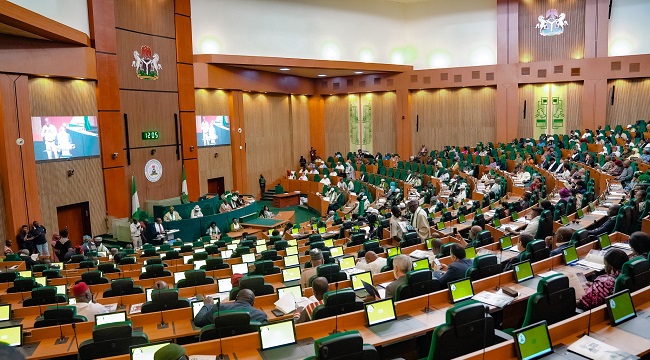
House of Reps. (Photo by Facebook/House of Representatives, Federal Republic of Nigeria)
The House of Representatives has summoned INEC Chairman Professor Joash Amupitan to brief its Committee on Electoral Matters on preparations for the 2027 general elections.
Lawmakers are particularly concerned about insecurity and the possibility that eligible voters in affected communities could be prevented from participating in the polls.
Separately, the African Democratic Congress Presidential Campaign Council has alleged that the Ebola public health emergency could be used to justify postponing the January 16 presidential election.
However, the allegation remains unsubstantiated, and no official decision to change the election date has been established.
Why it matters: Electoral preparedness involves more than compiling an accurate voters’ register. INEC must also demonstrate that elections can be conducted safely and that arrangements are in place for communities affected by insecurity.
Watch: INEC’s briefing to lawmakers, security arrangements in vulnerable communities, and any formal changes to the electoral timetable.
5. FG DEFENDS $21.7BN EXTERNAL BORROWING PLAN AMID DEBT CONCERNS
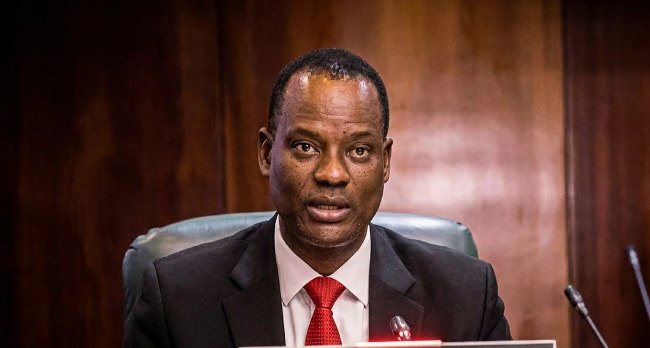
The Federal Government has defended President Bola Tinubu’s latest external borrowing request, describing the proposed loans as financing for infrastructure and productive investments.
The request, presented to the National Assembly earlier in the week, includes approximately $20.52bn and €1.045bn in proposed external loans.
Finance Minister Taiwo Oyedele has maintained that the borrowing should be assessed based on the projects it would finance and their anticipated economic benefits, rather than solely as an increase in public debt.
The proposal remains subject to legislative scrutiny and approval.
Why it matters: The proposed loans would add to Nigeria’s repayment obligations. Their long-term implications will depend on the borrowing terms, project viability, implementation, and the country’s future revenue.
Watch: The National Assembly’s review, interest rates, repayment schedules, project allocations, and debt-sustainability assessments.
THE BIG PICTURE
Today’s developments highlight a recurring challenge in governance: turning policy announcements and allocated funds into measurable public benefits.
The Federal Government’s proposed transport allowance has exposed disagreements within organised labour, while reported unspent education grants raise questions about the effective use of public resources.
Meanwhile, lawmakers are scrutinising preparations for the 2027 elections and a substantial external borrowing proposal.
Across these issues, the central question remains whether public policies are adequately funded, transparently implemented and translated into tangible improvements in citizens’ lives.


Happy
0 %

Sad
0 %

Excited
0 %

Sleepy
0 %

Angry
0 %

Surprise
0 %
 0
 0