
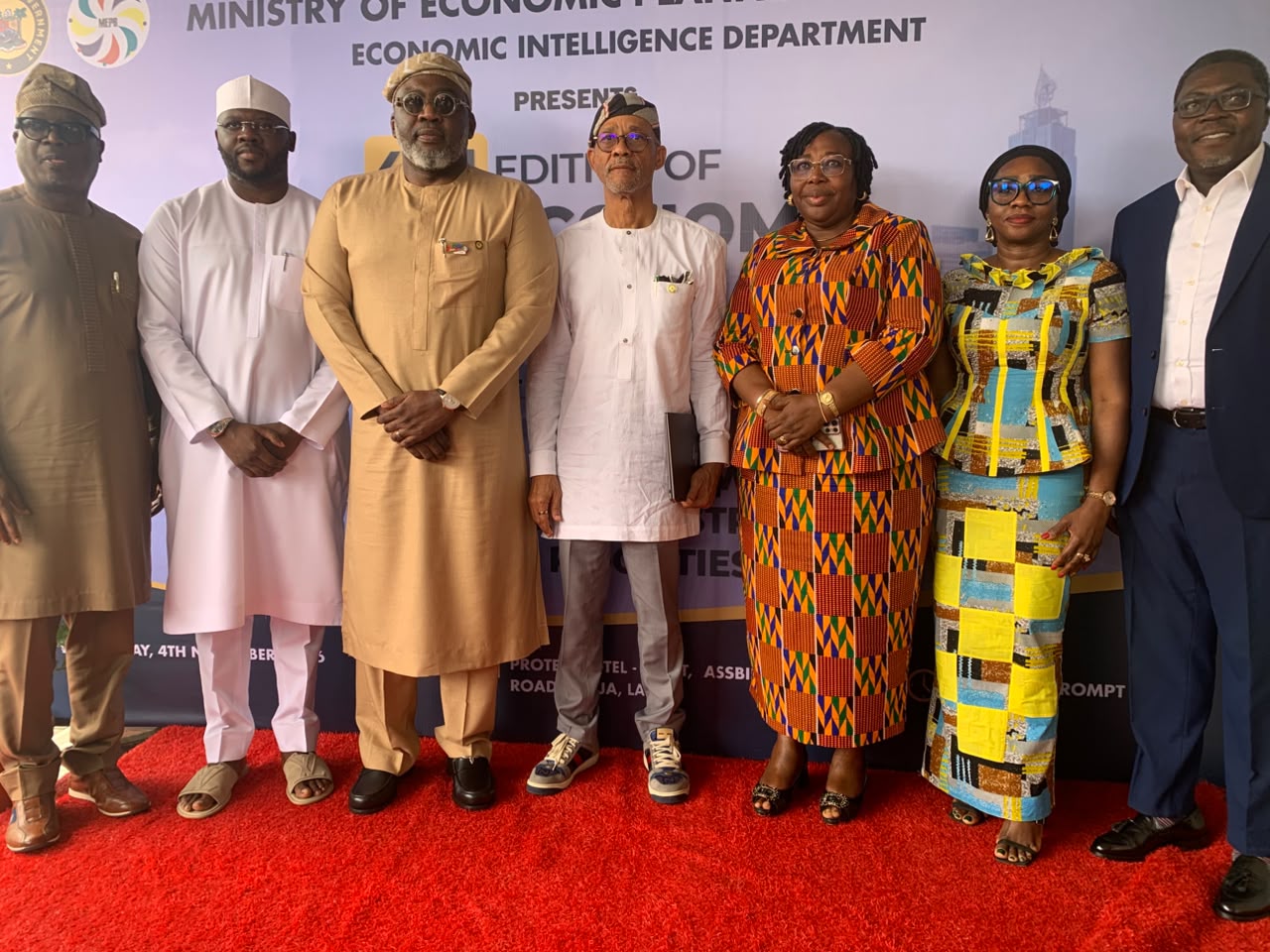
LAGOS ECONOMIC ROUNDTABLE SETS 2027 PRIORITIES FOR GROWTH, INVESTMENT, JOB CREATION
Read Time:5 Minute, 18 Second
By: Fasasi Hammad
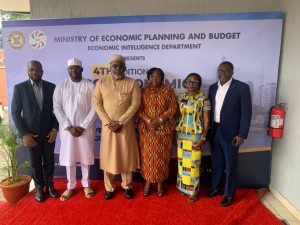
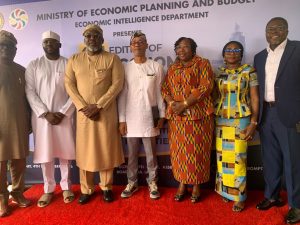
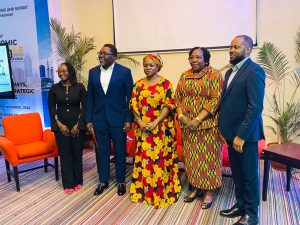
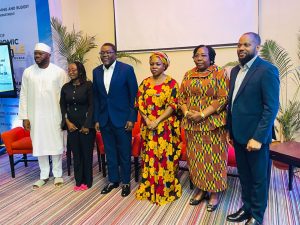
Lagos State has outlined plans to strengthen its economy through increased investment, enterprise development, infrastructure expansion and job creation, as government officials, financial institutions and private-sector leaders identified key priorities for 2027 at the fourth Lagos Economic Roundtable.
The event, themed “Development Pathways, Emerging Risks and Strategic Policy Priorities,” brought together policymakers, development partners, financial institutions, business leaders and other stakeholders to examine emerging economic challenges and discuss strategies for sustaining growth and improving residents’ welfare.
In her opening remarks, the Permanent Secretary of the Lagos State Ministry of Economic Planning and Budget, Mrs Olayinka Modupe Ojo, welcomed participants and explained that the roundtable was designed to assess the state’s economic performance, examine developments in the global and national economies, and provide insights to guide Lagos State’s economic direction in 2027.
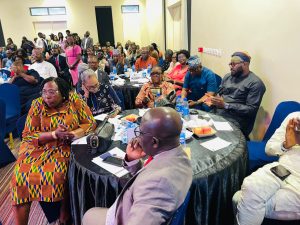
She noted that the annual gathering provided an opportunity to compare economic forecasts, review factors affecting the state’s performance and make recommendations that could support government policy decisions.
Ojo also emphasised the importance of research, economic analysis and collaboration with stakeholders in developing practical recommendations for sustainable growth.
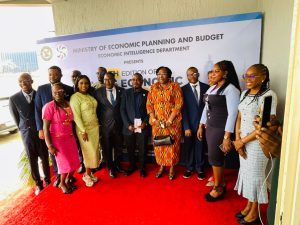
Speaking afterwards, the Commissioner for Economic Planning and Budget, Mr Mosopefoluwa George, said Lagos recorded a strong performance in the 2025 State Performance Ranking, citing improvements in revenue generation, debt sustainability, capital investment and other fiscal and economic indicators.
He stressed, however, that the ultimate measure of government performance should be the impact of its policies on residents, particularly in terms of employment, business growth, household welfare and improved living standards.
George said the Lagos State Development Plan, Medium-Term Expenditure Framework and annual budgets would continue to guide the state’s development agenda, supported by data-driven planning, performance monitoring and stakeholder engagement.
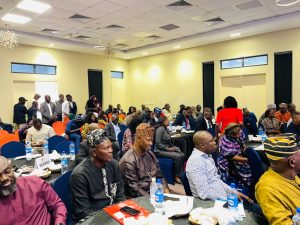
He identified fiscal sustainability and revenue mobilisation, infrastructure development, employment generation, human capital development, economic diversification, food security and climate resilience as key priorities for 2027.
The Commissioner also highlighted the importance of initiatives such as AECO360 and the Lagos State Bureau of Statistics in strengthening evidence-based governance, improving planning and supporting effective public service delivery.
Dr Isa Omagu Chief Strategy and Development Officer BOI representing the Managing Director/Chief Executive Officer of BOI Dr Olusi Olasupo at the roundtable and delivered the keynote address on his behalf called for stronger collaboration among government, private investors and financial institutions to accelerate economic development.
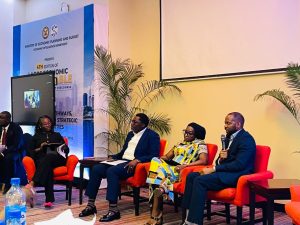
He said sustainable growth required a coordinated approach in which government provides essential public infrastructure, while private investors and financial institutions support viable businesses and productive activities through appropriate financing and risk-sharing arrangements.
Omagu disclosed that the Bank of Industry had disbursed ₦644.9 billion to 2,501 enterprises, supporting an estimated 1.68 million jobs. He also highlighted a ₦10 billion financing arrangement for Lagos-based micro, small and medium-sized enterprises (MSMEs).
He urged the state to prioritise bankable projects, reduce the cost of doing business and improve access to finance, relevant skills and markets, noting that infrastructure, particularly electricity and transportation, remained critical to business productivity.
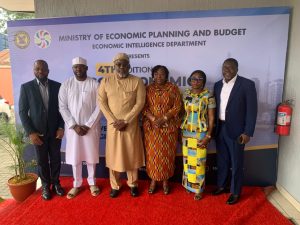
The Lagos State Employment Trust Fund (LSETF) also presented its interventions to support enterprise development and employment, highlighting five major areas of focus: finance, skills, markets, technology and business infrastructure.
The Fund disclosed that more than 1,000 business owners had benefited from its loan-readiness clinics, where they received guidance on financial record-keeping, business cash flow management and improving their creditworthiness.
It also highlighted its business advisory programmes, which support entrepreneurs with business formalisation, registration and export readiness.
As part of its infrastructure support, LSETF cited the 360 Creative Women’s Association hub, which has provided shared workspace facilities for about 200 small businesses and women entrepreneurs. The initiative is designed to reduce operating expenses, particularly electricity costs, while giving businesses access to facilities that support production and growth.
On employment, the Fund said it had partnered with King Trust International to train 3,000 young people in Lagos in technical and digital skills, including heating, ventilation and air-conditioning (HVAC). About 90 per cent of the beneficiaries secured job placements, while 57 per cent were retained in employment.
LSETF also highlighted its support for approximately 1,200 technology startups, alongside trade fairs and other market-access initiatives aimed at connecting small businesses with customers and potential buyers.
The Fund said its loans carried an annual interest rate of nine per cent, adding that stronger partnerships with financial institutions and development organisations would be necessary to expand its interventions.
It further called for wider adoption of enterprise hubs, stronger private-sector collaboration and improved measurement of programme outcomes, including jobs created, business growth, loan repayment and tax participation.
Speaking from the private-sector perspective, the Director of Strategy at Cavista Holdings, Mr Kabir Shagaya, identified unreliable electricity, high financing costs and limited access to large buyers as major constraints affecting business growth and investment.
He said Lagos had considerable entrepreneurial and technological talent but needed stronger infrastructure, better market connections and policy consistency to attract more private capital and enable local businesses to scale.
Shagaya disclosed that Cavista Holdings had invested an estimated $8 million to $10 million in Nigeria over the preceding three to four years and employed more than 3,000 people across the country.
He highlighted the company’s activities in technology, agriculture, tourism and financial services, noting that investments in Nigerian talent had created opportunities for local professionals to provide technology services to international clients, including businesses in the United States.
He also discussed opportunities in cassava processing, explaining that value addition could help reduce post-harvest losses, protect farmers and businesses against market fluctuations, and improve the value of agricultural produce.
According to him, stronger partnerships between government and private investors could help connect local producers to larger markets, improve access to international buyers and create more sustainable employment opportunities.
Shagaya urged the government to improve electricity supply and digital connectivity, promote local businesses, attract private capital and ensure that skills development programmes lead to actual employment opportunities.
The discussions at the roundtable underscored the need for stronger public-private partnerships to address infrastructure gaps, expand access to finance, improve business productivity and support the growth of local enterprises.
As Lagos looks towards 2027, stakeholders emphasised that sustained economic progress would depend on translating policy commitments into measurable outcomes in investment, job creation, enterprise development and improved living standards for residents.


Happy
0 %

Sad
0 %

Excited
0 %

Sleepy
0 %

Angry
0 %

Surprise
0 %
 0
 0