
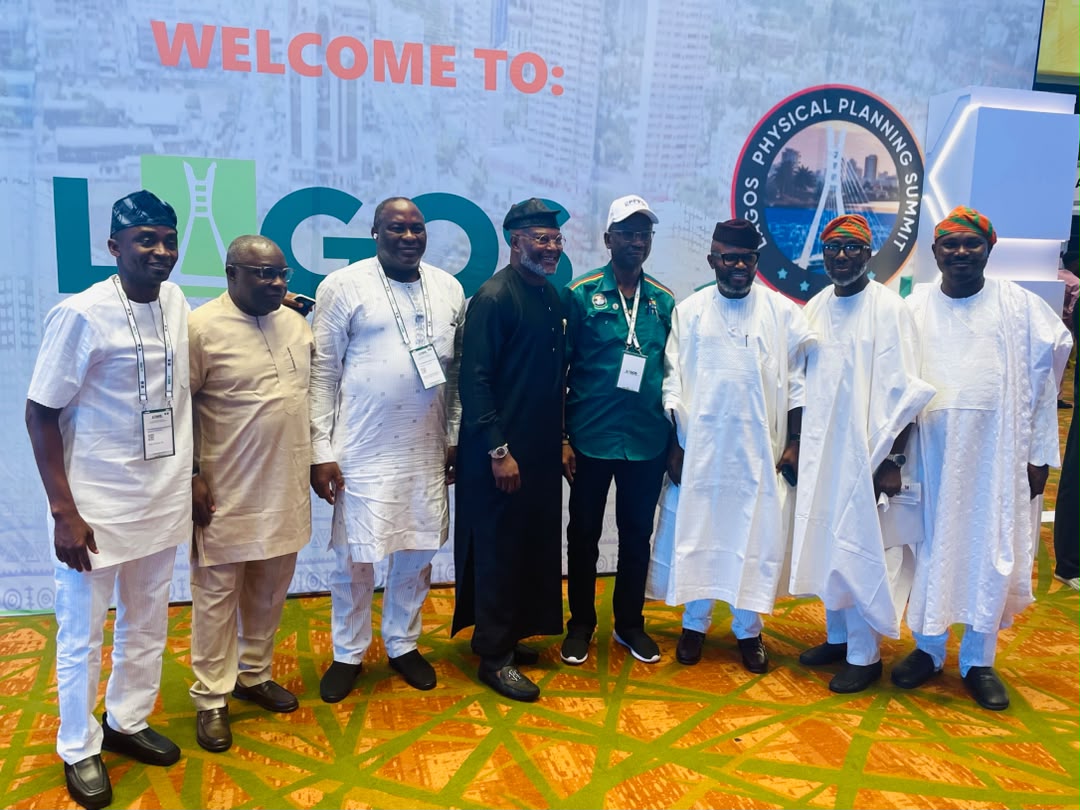
LAGOS HOLDS SECOND PHYSICAL PLANNING SUMMIT, SEEKS STRONGER REGIONAL DEVELOPMENT
Read Time:3 Minute, 31 Second
By: Fasasi Hammad
The Lagos State Government has called for stronger implementation of physical development plans, improved regional cooperation and increased investment in infrastructure to address the challenges of rapid urbanisation and population growth.
The call was made at the Lagos Physical Planning Summit 2.0, themed “Diagnosis to Delivery: Positioning Lagos for Strategic Regional Development and Priority Investment Agenda.” The two-day summit brought together professionals in the built environment, policymakers, investors, developers, academics and other stakeholders to discuss practical solutions to the state’s urban development challenges.
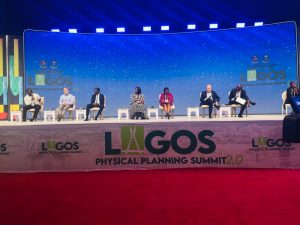
Speaking at the summit, the Commissioner for Physical Planning and Urban Development, Dr. Oluyinka Olumide, said the state must move beyond identifying development challenges to implementing practical solutions that would improve residents’ quality of life.
He noted that Lagos faced increasing pressure from its growing population, expanding economic activities, housing demand, environmental concerns and the need for modern infrastructure.

According to him, physical planning must serve as a strategic tool for economic growth, social development, environmental protection and regional competitiveness.
The commissioner said the state’s vision remained to build a productive, inclusive, resilient and investment-friendly Lagos, stressing that existing development frameworks must translate into policies and projects with measurable results.
He recalled that the first edition of the summit, held in October 2024, focused on “Rethinking Lagos: A New Vision for a Regional and Integrated Megacity.” The recommendations from the inaugural summit, he said, included integrating neighbouring regions, improving planning permit processes, reviewing legal and institutional barriers, adopting modern technology, mobilising infrastructure financing and strengthening the implementation of master plans.
Olumide disclosed that the state had commenced efforts to strengthen regional integration across the South-West, noting that Lagos’s economic and social activities extended beyond its administrative boundaries.
He said closer cooperation with neighbouring states and relevant federal institutions would improve transportation connectivity, coordinate infrastructure development and address shared challenges relating to housing, trade, employment, logistics and environmental management.
The commissioner also emphasised the need to ensure that approved master plans and modern city development plans were effectively implemented rather than left on paper.
He explained that the plans should guide infrastructure provision, land use, housing development, transportation networks, environmental management and investment decisions, adding that effective implementation would require stronger coordination among ministries, departments and agencies, alongside improved monitoring and accountability.
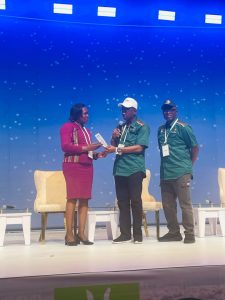
On planning permits, Olumide said the government had introduced the Electronic Physical Planning Process System (EPPS) to simplify applications, reduce bureaucratic bottlenecks and improve the ease of doing business.
He said the digital platform, introduced for implementation on April 4, 2026, was designed to enable prospective property owners and developers to apply for planning permits from their homes or offices, including from outside Nigeria.
According to him, the system is expected to reduce unnecessary human interference and improve processing time, with properly completed applications potentially receiving approval within five working days.
He stressed that planning permits were essential to property documentation and development control, urging property owners and investors to comply with the state’s planning regulations.

The commissioner further highlighted the importance of technology in modern urban management, identifying geographic information systems, digital mapping and reliable land-use data as tools that could strengthen decision-making and improve development monitoring.
He also disclosed that the government had mapped approximately 3,700 hectares of informal spaces across 1,700 sites in Lagos State as part of efforts to improve their management and documentation.
Olumide said the government would intensify efforts to manage these spaces, establish reliable records of their occupants and activities, and ensure that development took place in line with the state’s planning objectives.
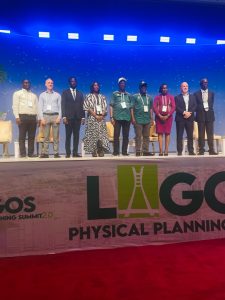
He urged participants at the summit to examine existing challenges, share practical experiences and propose actionable recommendations, stressing that the discussions should produce clear responsibilities, timelines and resource requirements for implementation.
The commissioner added that experts would collate the recommendations from the two-day summit into a strategic policy document for presentation to the state government to guide future development decisions.
The summit’s second day was expected to feature further deliberations and contributions from senior government officials and other invited dignitaries.
The Lagos Physical Planning Summit provides a platform for stakeholders to assess the state’s development priorities and identify strategies for building a more integrated, sustainable and prosperous megacity.


Happy
0 %

Sad
0 %

Excited
0 %

Sleepy
0 %

Angry
0 %

Surprise
0 %
 0
 0