
PENCOM TO INCREASE EMPLOYERS’ PENSION IN ONGOING PRA REVIEW
Read Time:2 Minute, 44 Second

HOTJIST NEWS
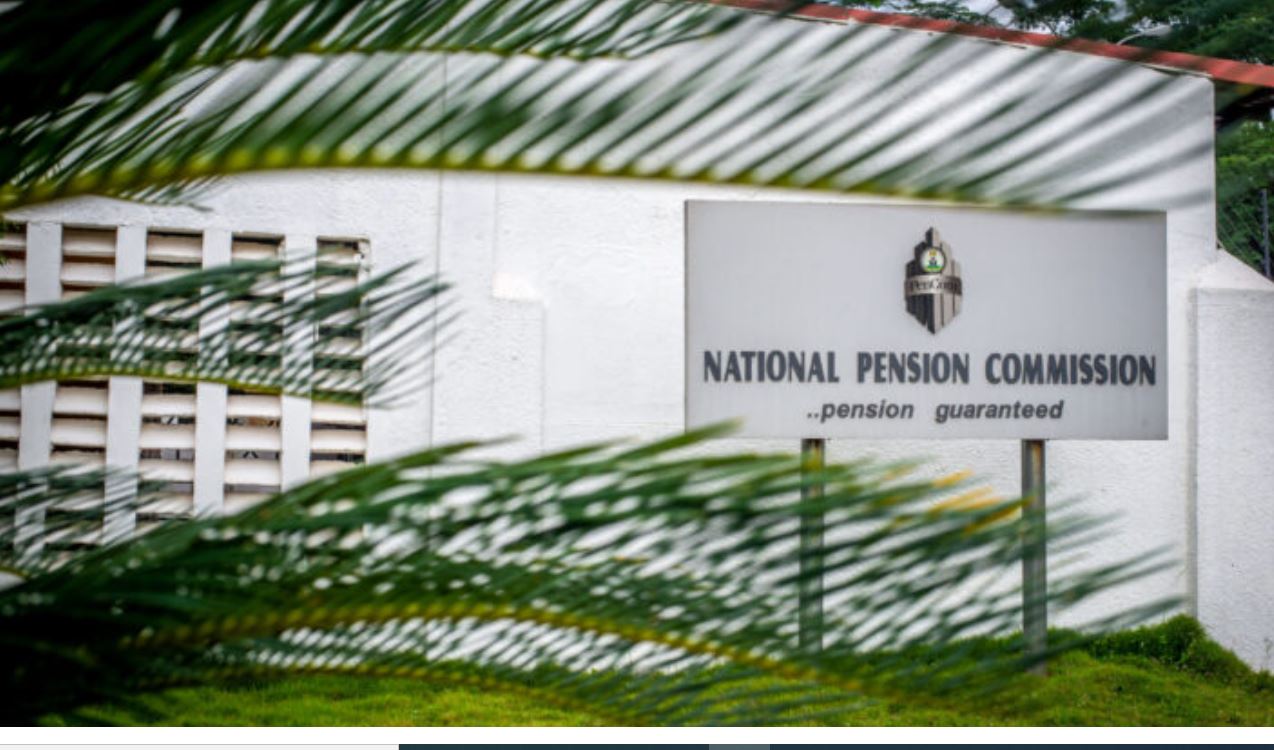
Omolola Oloworaran, the director–general of the National Pension Commission (PenCom), said the agency is looking to raise the rate at which employers contribute to the pension fund.This plan is part of the current review of the Pension Reform Act (PRA) 2014.
Oloworaran shared this idea on Tuesday during the 2026 pension consultative forum, which included representatives from various states, the Federal Capital Territory (FCT), and licensed pension fund operators (LPFOs) in Lagos.
Under the current framework, employers contribute a minimum of 10 percent of an employee’s monthly emoluments, while employees contribute 8 percent, putting the total mandatory pension contributions at 18 percent.
Oloworaran mentioned that PenCom is discussing changes to the PRA with organised labour and the national assembly.
The director general explained that the goal of these changes is to improve retirement security by increasing contribution rates.
However, she added that the process is still in the early stage of consultation and hasn’t moved forward yet.
“We are having active conversations regarding the review of the Pension Reform Act with all necessary parties, including labour and the National Assembly,” Oloworaran said.
“It is still at the engagement stage. The rates of contribution will certainly go up, but we must ensure that all key stakeholders buy into it first.”
The PenCom DG also raised concern over the slow adoption of the contributory pension scheme (CPS) by state governments, noting that only eight of Nigeria’s 36 states are currently compliant.
She rated the commission’s progress on state-level CPS adoption an “F9”, and called on governors to show greater political will.
“I am not satisfied at all with where we are. If you were to rate it, we still have an F9. We still have only eight states out of 36 states complying,” she said.
“There has to be more political will. Governors must prioritise their workers and their future when they retire, not just worry about today. All 36 states should be under the Contributory Pension Scheme.”
On funding constraints cited by non-compliant states, Oloworaran said PenCom is exploring dedicated income streams for state pension bureaus, though she did not commit to a specific model.
“We have listened to them, and I think there is a good point in what they are saying. We will explore ways to create income streams for state pension bureaus,” she said.
“It might not be in the exact form they are prescribing, but we will certainly do something.”
Oloworaran also faulted the practice by some state governments of deducting pension contributions from workers’ salaries without remitting the funds into employees’ retirement savings accounts (RSAs).
She warned that the practice exposes contributors to risk if diverted by successive administrations.
“In my personal opinion, deducting funds from employees and putting them in a state account is something that should never happen,” the director-general said.
“Any incoming governor who doesn’t understand the original purpose of those funds could divert them elsewhere. That results in pension obligations skyrocketing and leads to a broken system in the future.”
She said the commission would step up engagement with such states to end the practice.
The PRA 2014 replaced the 2004 pension law and introduced the CPS, under which PenCom regulates Nigeria’s pension industry.


Happy
0 %

Sad
0 %

Excited
0 %

Sleepy
0 %

Angry
0 %

Surprise
0 %
 0
0
 0
0