
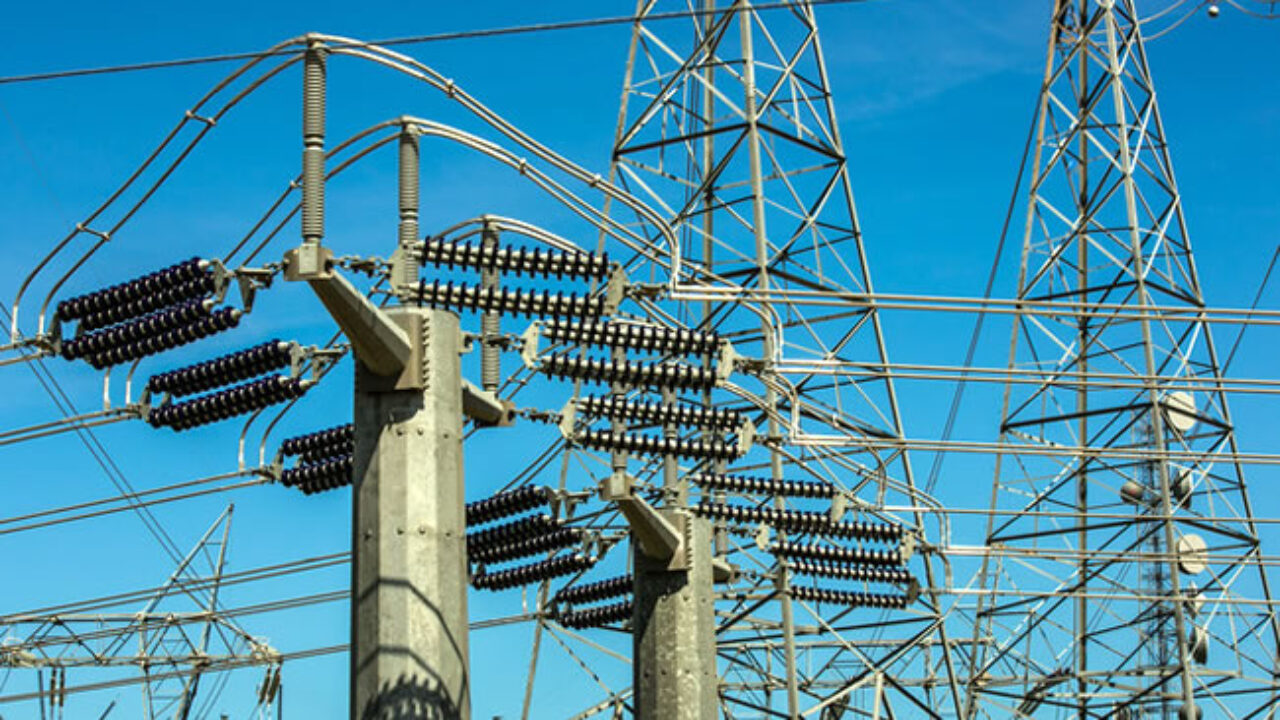
TARIFF CRISIS DEEPENS AS GENCOS, DISCOS REJECT STATE-LEVEL PRICING, WARN OF SECTOR DISRUPTIONS
Read Time:2 Minute, 51 Second
By Aishat Momoh. O.
The long-brewing dispute over electricity tariff-setting in Nigeria escalated on Thursday as power generation and distribution companies (GenCos and DisCos) strongly rejected the move by state regulators to fix tariffs independently, warning that such action threatens the integrity and financial sustainability of the entire power sector.
The controversy was ignited by a recent directive from the Enugu Electricity Regulatory Commission (EERC), which slashed the Band-A electricity tariff for Enugu State residents from N209/kWh, as approved by the Nigerian Electricity Regulatory Commission (NERC), to N160/kWh.
While the move has won support from the Forum of Commissioners for Power and Energy in Nigeria (FOCPEN), it has drawn sharp criticism from industry stakeholders, including the Association of Nigerian Electricity Distributors (ANED) and the Association of Power Generation Companies (APGC), who warned of dire consequences for the already fragile electricity market.
ANED’s Managing Director, Barrister Sunday Oduntan, said the EERC’s unilateral action is triggering unrealistic expectations among customers in other states and encouraging bill payment boycotts.
“Since the EERC order was released, DisCos in other states have come under pressure to follow suit. Some customers have even threatened to stop paying their bills unless their own tariffs are slashed,” Oduntan said in a statement.
He stressed that while DisCos are not opposed to more affordable electricity in principle, tariffs must remain cost-reflective to sustain operations and investment in the sector.
Oduntan added, “The sector is already burdened with over N5 trillion in unpaid subsidies. Further tariff reductions without a clearly structured and funded subsidy plan will deepen the liquidity crisis and jeopardize service delivery.”
The GenCos echoed similar sentiments, questioning the legal and operational basis for state-level tariff decisions.
Executive Director of APGC, Dr Joy Ogaji, decried what she termed “regulatory rascality,” warning that states cannot set prices for electricity they neither generate nor procure from the national wholesale market.
“You can’t regulate what you don’t produce. The claims of subsidy backing the tariff reduction are unfounded. There’s no formal subsidy policy document or funding mechanism to support it. You can’t build something on nothing,” Ogaji stated.
She warned that destabilizing the tariff framework would have ripple effects on business decisions, investor confidence, and market sustainability.
Meanwhile, energy policy analyst Lanre Elatuyi called for urgent reforms to establish a true competitive wholesale electricity market in Nigeria. He urged the Federal Government and NERC to introduce a phased Medium-Term Market structure, with a portion of DisCos’ loads procured through a centrally managed wholesale market under the National Independent System Operator (NISO), while NBET continues to handle the balance.
“NISO should lead the development of a White Paper on the wholesale market and engage all stakeholders. This is the time for efficiency and bold reforms,” Elatuyi said, adding that transmission reliability, trading transparency, and metering must be guaranteed.
He warned that existing liabilities in the sector must be addressed in parallel with any restructuring efforts: “You can’t claim assets and ignore liabilities.”
The deepening dispute highlights the tension between national regulatory authority and emerging state autonomy in Nigeria’s transitioning electricity market. Experts caution that unless harmonized policies are established, the sector risks being pulled apart by conflicting regulations, worsening its liquidity challenges and threatening service delivery to millions of Nigerians.


Happy
0 %

Sad
0 %

Excited
0 %

Sleepy
0 %

Angry
0 %

Surprise
0 %
 0
0
 0
0