
FG MONITORING MIDDLE EAST CRISIS, NO NIGERIAN WILL BE ENDANGERED — NiDCOM
Read Time:2 Minute, 53 Second
By: Sefiu Ajape

The Nigerians in Diaspora Commission (NiDCOM) says the Federal Government is taking steps to ensure the safety of Nigerians in the Middle East amid the ongoing regional crisis.
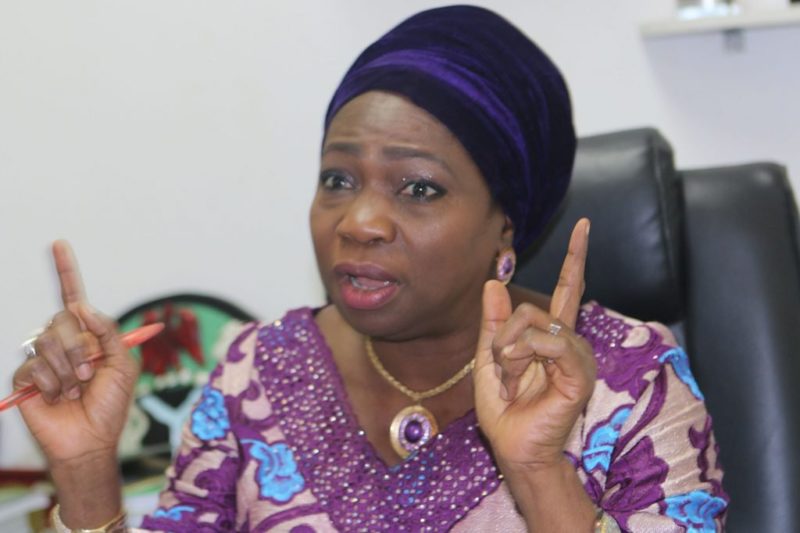
NiDCOM’s Director of Media, Public Relations and Protocols, Abdur-Rahman Balogun, gave the assurance in a statement on Tuesday.
The commission noted that Nigerian authorities are closely monitoring developments and have received calls “from a few Nigerians in Qatar, UAE, and Iran enquiring about preparations for evacuations when it becomes necessary.”
“The fact of the matter is that the Ministry of Foreign Affairs is working with all relevant agencies for appropriate steps while appealing to Nigerians in the affected countries to follow the travel advice as issued by the Ministry of Foreign Affairs and contact the emergency numbers provided by the ministry.
“Nigerians in affected countries should be rest assured that the federal government is monitoring the situation and will take necessary steps to ensure no Nigerian life is endangered,” the statement read in part.
On Saturday, the Federal Government advised Nigerians in the Middle East, especially in Iran, to heighten security awareness following rising tensions.
“All Nigerians in Iran and affected Gulf countries are advised to remain extremely vigilant and conscious of their surroundings at all times,” a statement from the Ministry of Foreign Affairs read in part.
“Avoid areas known to be strategic, military, or government installations, as these could be potential flashpoints.”
“We wish to assure the general public that the safety and well-being of Nigerian citizens abroad remains the top priority of the Federal Government,” the ministry added, while urging parties involved in the conflict to de-escalate tensions.
The escalation followed strikes launched by the United States and Israel on Iran in the early hours of Saturday, with Iranian authorities retaliating and later carrying out strikes in parts of the Gulf.
Days later, drones struck the US embassy in Riyadh, while further explosions were reported in Gulf cities as Iran targeted industrial and diplomatic facilities across the Middle East. Governments in the region have since begun evacuating their nationals.
Four days after US and Israeli strikes reportedly killed Iran’s supreme leader and triggered a broader regional war involving missile and drone attacks, AFP reporters in the Saudi capital observed smoke damage on the walls and roof of the American Embassy.
Saudi police cordoned off the diplomatic quarter, blocking several roads, including those leading to the embassy. The Saudi Foreign Ministry described the incident as “heinous and unjustified.”
AFP journalists in the capitals of Bahrain and Qatar reported hearing additional explosions and sirens. Iran’s armed forces announced strikes on targets in Israel and on the major US air base in Al-Udeid, Qatar, while Qatari authorities said they had thwarted attacks on the country’s airport.
Iran’s Revolutionary Guards spokesman Ali Mohammad Naini warned that “the gates of hell will open more and more, moment by moment, upon the United States and Israel.”
United Nations rights chief Volker Turk said he was “deeply shocked” by the civilian toll of the war, while the UN nuclear watchdog reported that Iran’s Natanz enrichment plant appeared in satellite imagery to have suffered “recent damage.”
Explosions also rocked Tehran overnight as fighter jets flew over the Iranian capital, and US President Donald Trump threatened further escalation.
On Monday, the US State Department urged “Americans to DEPART NOW” from countries and territories across the Middle East “due to serious safety risks.”


Happy
0 %

Sad
0 %

Excited
0 %

Sleepy
0 %

Angry
0 %

Surprise
0 %
 0
0
 0
0