
FINASTRA HOSTS 2026 CORPORATE BANKING DAY IN LAGOS, PUSHES DIGITAL TRANSFORMATION AMID ECONOMIC UNCERTAINTY
Read Time:3 Minute, 3 Second
By Aishat Momoh. O.
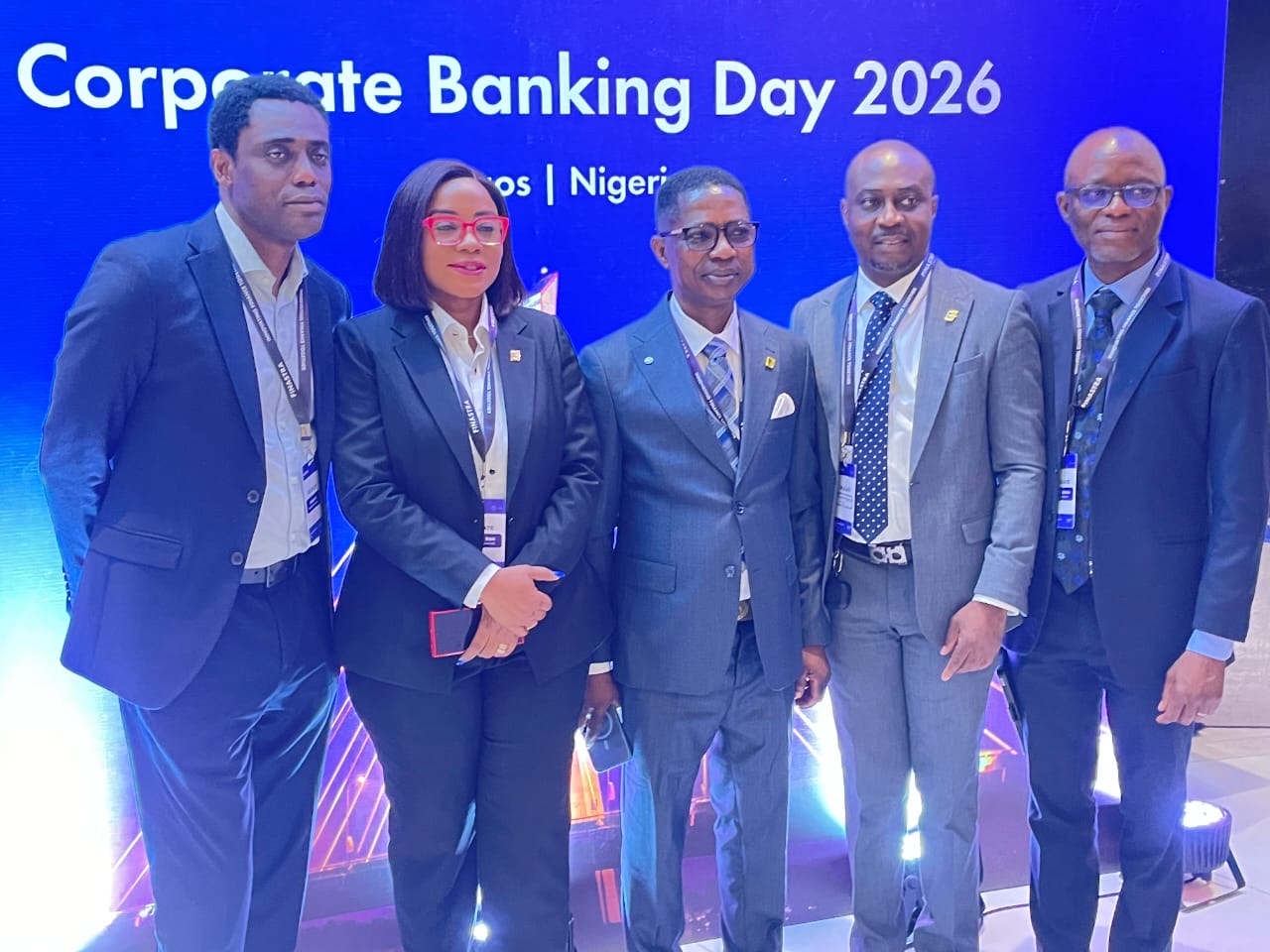
Finastra, a global leader in financial technology, on Wednesday convened the 2026 Corporate Banking Day in Lagos, bringing together key players in the banking sector to address emerging challenges and opportunities within Nigeria’s financial landscape.
The event, held at the Lagos Continental Hotel and organised by the International Center for Strategic Alliances (ICSA), was themed “Empowering Corporate Banking in Times of Economic Uncertainty.”
The summit attracted senior banking executives, innovators, and decision-makers who shared insights on navigating volatility and shaping the future of corporate banking.
Delivering the industry keynote, Dr. Olaitan Adeola Martins, Group Executive for Corporate Banking at First Bank, spoke on building reliable and integrated digital platforms to support corporate clients, stressing that innovation and collaboration would be critical in navigating current economic realities.
Speaking during an interview session, Finastra’s Solution Director, Matthieu Andrieu, described Nigeria as a strategic market for the company’s trade finance and working capital solutions. He noted that the forum provided an opportunity to engage local banks on evolving market trends and the role of technology in driving efficiency.
Andrieu highlighted the growing importance of artificial intelligence and machine learning in financial services, particularly in automating transaction processes and reducing the heavy regulatory and reporting burden faced by banks.
He said, “Banks are increasingly looking at how to streamline operations through technology. AI and machine learning can help automate processes, improve efficiency, and enhance service delivery in a highly regulated environment like Nigeria.”
He also urged Nigerian banks to take pride in their role in supporting economic growth, noting that the financial sector remains a key enabler of funding for both large corporates and small and medium-scale enterprises (SMEs). However, he stressed the need for improvements in operational models, simplification of processes, and greater investment in human capital to bridge existing skills gaps.
According to him, developing local training initiatives and leveraging technology could help address talent shortages and position the sector for future growth.
During a panel session, Finastra showcased its corporate lending capabilities, including its flagship Loan IQ platform, which is widely used by leading global banks.
Andrieu explained that while Nigeria remains Africa’s largest economy with strong growth drivers in oil and gas, telecommunications, agriculture, and construction, the market still faces a significant financing gap.
He attributed this gap partly to structural challenges, including fragmented banking infrastructure and limited capacity among local banks to handle complex, large-scale corporate financing.
He noted that customer expectations are also evolving, with corporates demanding seamless, digital access to credit facilities, similar to what is already available in payments and trade finance services.
“Large corporates are asking why they can access accounts and payments digitally, but still need to go through lengthy manual processes to obtain funding. This shift in expectation presents a major opportunity for banks willing to invest in digital transformation,” he said.
Andrieu further emphasised the need for banks to adopt integrated, end-to-end digital lending platforms capable of handling complex transactions, improving transparency, and enhancing customer experience.
Key discussions at the summit focused on Nigeria’s economic outlook, particularly the impact of foreign exchange volatility and high interest rates on trade and credit access. Stakeholders also examined ways to close the country’s estimated $10 billion annual trade finance gap.
Other sessions explored digital transformation in corporate banking, the need for personalised customer solutions, and the adoption of alternative financing models such as supply chain finance and structured products.
The event underscored a shared consensus among stakeholders on the urgency of modernising banking infrastructure, strengthening capacity, and leveraging technology to drive inclusive growth in Nigeria’s corporate banking sector.


Happy
0 %

Sad
0 %

Excited
0 %

Sleepy
0 %

Angry
0 %

Surprise
0 %
 0
0
 0
0