
TRADITIONAL RULERS KEY TO PEACE AND DEVELOPMENT- TINUBU
Read Time:3 Minute, 19 Second

HOTJIST NEWS
President Bola Tinubu has once again said his government is dedicated to bringing traditional institutions back into importance in Nigeria’s way of governing. He called monarchs vital allies in helping create peace, safety, and development at the local level.
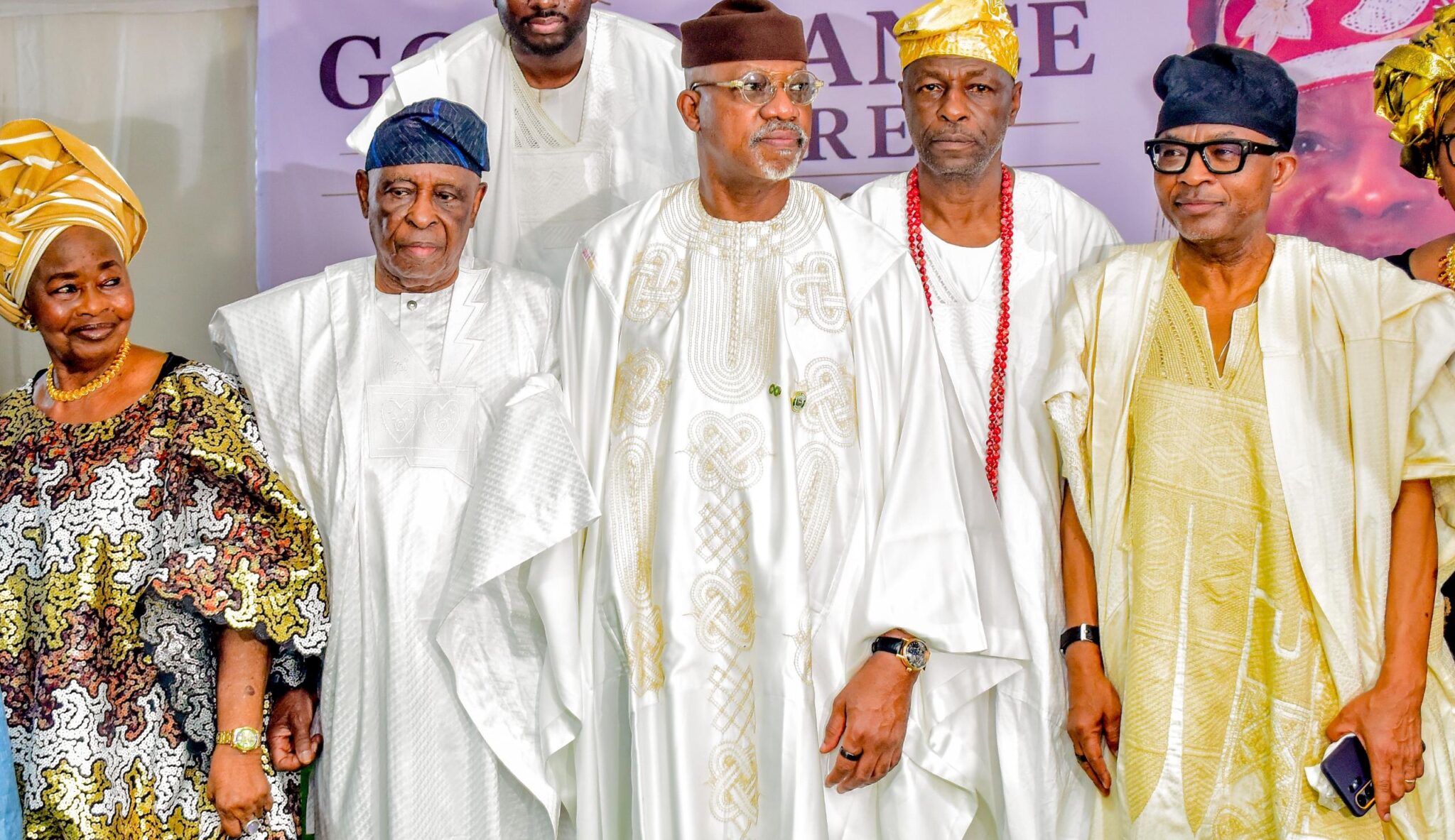
Tinubu made this statement on Saturday, as shared in a statement, during the final farewell event and reception for the late Awujale and chief ruler of Ijebuland, Oba Sikiru Kayode Adetona, at the Dipo Dina Stadium.
Oba Adetona passed away in July of last year at the age of 91 after leading for 65 years.
The President, speaking on behalf of Ogun State Governor Dapo Abiodun, mentioned that his government‘s Renewed Hope Agenda has changed traditional rulers from just being symbolic figures to real players in governing, settling conflicts, driving economic growth, and building the country.
He said the Federal Government envisions a Nigeria where traditional institutions are recognised as critical partners in preserving cultural values, strengthening social harmony and advancing grassroots development.
“Our vision is clear — a Nigeria where traditional institutions are recognised as critical stakeholders in promoting peace, preserving values, strengthening harmony, and advancing grassroots development,” he said.
Tinubu noted that traditional rulers possess indigenous intelligence, moral authority and social legitimacy that modern institutions cannot easily replace, stressing that their roles remain vital in addressing contemporary national challenges.
He observed that while the 1963 Constitution accorded traditional institutions significant relevance, subsequent constitutional arrangements diminished their influence, weakening synergy between government and grassroots leadership.
The President assured that his administration would continue to support engagement aimed at assigning clearer constitutional responsibilities to traditional rulers through ongoing discussions at the National Assembly.
“This is not about politics; it is about strengthening governance, deepening inclusion, and recognising an institution that has sustained social order for centuries,” he added.
Tinubu disclosed that the Federal Government had sustained consultations with traditional and religious leaders through the National Council of Traditional Rulers of Nigeria on issues of national security, economic growth and social stability.
He charged monarchs across the country to remain at the forefront of peacebuilding and social stability, urging them to make their palaces centres of wisdom, reconciliation and conflict resolution.
He also pushed for building stronger local security systems by collecting information and setting up early warning systems.
Tinubu urged traditional leaders to help young people avoid violence, extremism, drug use, and other harmful behaviors, and he said Nigeria’s culture should be seen as a valuable resource for growth.
The President commended the Oba Sikiru Adetona School of Governance for organising the lecture in honour of the late monarch, whom he described as a disciplined and principled leader.
Speaking on the theme, “Bridging the Gap Between Traditional Institutions and Modern Government,” Tinubu described it as significant to Nigeria’s democratic evolution.
“The theme speaks to one of the most important governance questions of our time — how to harmonise the authority of our ancestral institutions with the structures of constitutional democracy in advancing national progress,” he said.
In a keynote address, former President Olusegun Obasanjo described the late Awujale as a foremost traditional ruler whose influence extended beyond Ijebuland.
Represented by Architect Abiodun Fari-Arole, Obasanjo said the monarch was a close ally and advocate of peace, justice and fairness.
He added that Oba Adetona would be remembered for championing reforms in Ogun State’s Traditional and Obas Law, particularly the provision granting monarchs the right to determine their burial rites.
Also speaking during another session titled “A Dialogue for a Stronger Future,” Sheikh Mustapha Bello emphasised the importance of culture and traditional institutions in socio-economic development.
He said traditional rulers should be actively consulted in policymaking, noting that they represent the voice of the grassroots.
“Let there be specific roles for the Obas. They are deeply rooted in the traditions and culture of our people. Many of them are highly experienced, and their contributions can greatly assist government in formulating policies and initiatives that directly benefit the people,” he said.


Happy
0 %

Sad
0 %

Excited
0 %

Sleepy
0 %

Angry
0 %

Surprise
0 %
 0
0
 0
0