
NIGERIAN MAN NABBED IN INDIA FOR SCAMMING WOMEN
Read Time:1 Minute, 41 Second
By Sunmisola Shodayo
The Delhi Police have apprehended a 29-year-old Nigerian individual accused of defrauding over 100 women throughout India by masquerading as a UK-based Korean entrepreneur on a language exchange platform.
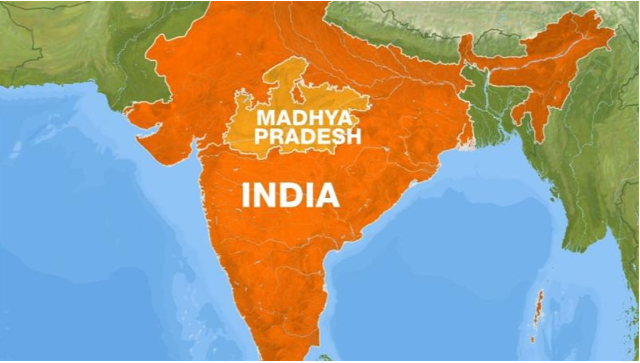
As reported by Hindustan Times, the suspect, recognized as Stephane but operating online under the pseudonyms “Dominic” and “Duck Young,” was taken into custody on Monday, September 29, from a leased apartment in Tilak Nagar, West Delhi.
This incident is part of a larger pattern of internet-facilitated romance frauds, wherein con artists exploit social and dating networks to mislead and financially prey upon victims, frequently by feigning to be someone else.
His accomplices would contact victims while impersonating officials, soliciting funds for his “release. ”
Numerous women, convinced they were assisting a friend—or even a prospective partner—transferred substantial amounts digitally.
The scam unraveled after a woman named Anjali reported a loss of Rs 48,500.
READ ALSO:
DANGOTE REFINERY: TUC DEMANDS APOLOGY, REINSTATEMENT OF SACKED WORKERS
She stated that “Duck Young” informed her of his detention at Mumbai airport, and shortly thereafter, she received calls from alleged immigration officials requesting additional payment.
When she declined to remit an extra Rs 2 lakh, he disappeared.
Authorities tracked him down through call logs, bank accounts, and social media, ultimately seizing a mobile device filled with counterfeit profiles and conversations involving over 100 women.
During questioning, he admitted to entering India in 2019 on a six-month tourist visa utilizing an Ivorian passport to circumvent restrictions imposed on Nigerians at that time. After overstaying unlawfully and exhausting his finances, he resorted to cyber fraud.
Global incidence of online romance and impersonation scams has surged dramatically, particularly in nations like India, where the swift adoption of digital platforms has exceeded public awareness regarding cyber fraud.
Fraudsters often exploit social weaknesses, such as isolation, naivety, and the desire for significant connections, employing platforms like language exchange applications, dating websites, and social media to locate and manipulate victims.


Happy
0 %

Sad
0 %

Excited
0 %

Sleepy
0 %

Angry
0 %

Surprise
0 %
 0
0
 0
0