
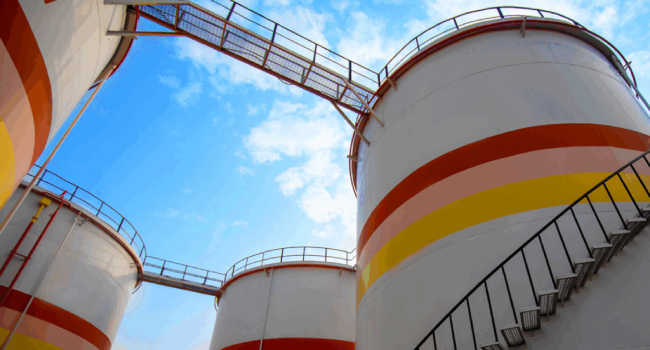
SAHARA GROUP SUPPORTS POWER SECTOR REFORMS, EYES 7,000MW GENERATION CAPACITY
Read Time:4 Minute, 0 Second
By: Balogun Ibrahim
Its subsidiary, Sahara Power, accounts for approximately 20 percent of Nigeria’s total electricity generation.
Group Managing Director of Sahara Power Group, Kola Adesina, stated that Nigeria’s power sector remains central to the country’s economic and industrial development, with opportunities for renewed investment driven by reforms, technological innovation, and multi-stakeholder collaboration.
Speaking on the “State of the Power Sector and Opportunities Ahead,” Adesina highlighted that Nigeria is set to overcome its challenges—from legacy debt resolution to technology-driven expansion—and emerge as a transformational power hub in Africa.
“We are witnessing unprecedented collaboration among the Federal Government, Power Ministry, regulatory agencies, power companies, the CBN, banks, multilateral development agencies, and other stakeholders in the power sector.
“We expect this momentum to continue into 2026, driving sector-wide growth that will enhance efficiency, sustainability, and electricity availability for Nigerians,” he stated.
While praising the Federal Government for addressing liquidity challenges in the power sector through the settlement of legacy debts, Adesina noted that this move would undoubtedly attract new investments and stabilise the industry for sustained growth.
He highlighted that “decent progress” has been made in metering and service delivery, adding that emerging collaboration between regulators and operators is set to drive “value chain optimisation,” ultimately benefiting end-users through improved supply reliability.
Adesina further stated that the sector is poised for several “distribution network reforms” aimed at extensive infrastructure rehabilitation, deployment of Advanced Metering Infrastructure (AMI), and the implementation of robust Customer Relationship Management (CRM) systems. These initiatives are designed to enhance service delivery, reduce Aggregate Technical, Commercial, and Collection (ATC&C) losses, and establish model business units to showcase best practices and future possibilities.
Adesina affirmed that Sahara Power Group (SPG) remains committed to collaborating closely with all stakeholders to ensure Nigeria achieves a future where reliable electricity underpins national development.
The group’s subsidiary, Sahara Power, contributes approximately 20 percent of the country’s total electricity generation. Its portfolio includes Egbin Power Plc—the largest thermal power plant in sub-Saharan Africa—First Independent Power Limited, and Ikeja Electric.
Adesina added that Sahara Power is progressing steadily with plans to increase dispatched generation capacity to between 6,500MW and 7,000MW, while also spearheading the launch of a Data Centre to support operational expansion and technological innovation.
Kola Adesina stated that Sahara Power plans to make substantial investments in both gas and renewable energy over the next three to five years to expand generation capacity, aiming to provide “sustainable, affordable, and reliable power for households and industries.”
He noted that the group’s forthcoming data centre will utilize real-time data analytics, predictive maintenance, and robust cybersecurity measures, working in coordination with the Federal Government and system operators to improve overall sector efficiency and transparency.
“At Sahara, our commitment to the power sector is unwavering, demonstrated through our ambitious investments and leadership over the years. We will continue strategic investments, expansion, and technology-driven operations to serve our customers with precision, transparency, and excellence,” Adesina said.
On the matter of power sector loans, he confirmed that constructive discussions with the consortium of banks involved are ongoing, with a positive outcome expected. The loans, scheduled for full repayment by 2034, are being “serviced diligently according to all agreed terms,” which Adesina said is critical for attracting further investment and supporting expansion plans.
He added: “Our achievements at Sahara are founded on financial integrity. Since inception, we have repaid the naira equivalent of $438 million—73% of the original $600 million loan—despite significant liquidity challenges in the sector, particularly debts owed to Sahara and our gas suppliers, which were reconciled at N1.514 trillion as of March 31, 2025.
“We appreciate the government’s intervention through ongoing legacy debt payments, which will enable full settlement of outstanding bank loans, obligations to gas suppliers, and payments to technical service providers. We are confident that these loans will be fully resolved, allowing us to accelerate our growth plans.”
Adesina further emphasized that Sahara’s strategic objectives are aligned with the long-term infrastructure vision of President Bola Ahmed Tinubu, who he praised for tackling longstanding bottlenecks and fostering investor confidence, thereby supporting growth in the power sector and the broader Nigerian economy.
“With positive policy reforms, exchange rate stability, reduced inflation, and moderated interest rates, we and other investors can now plan with greater predictability and confidence,” he added.
Experts have highlighted that the government’s Legacy Debt Resolution plan targeting Generation Companies (GenCos) and gas suppliers is a key catalyst for stabilizing the power value chain and restoring investor confidence.
According to the Nigerian Electricity Regulatory Commission (NERC), over 2.3 million new electricity meters have been deployed under various phases of the National Mass Metering Programme (NMMP) since 2020.


Happy
0 %

Sad
0 %

Excited
0 %

Sleepy
0 %

Angry
0 %

Surprise
0 %
 0
0
 0
0