

OIL PRICES SURGE ABOVE $100 AS MIDEAST WAR DISRUPTS GLOBAL SUPPLY, STOCK MARKETS FALL
Read Time:2 Minute, 43 Second
Global oil prices surged on Thursday, briefly climbing above $100 per barrel, while stock markets declined worldwide as escalating tensions in the Middle East disrupted energy supplies.
The price of Brent North Sea Crude, the international oil benchmark, rose sharply and peaked at $101.59 per barrel before easing slightly.
According to the International Energy Agency (IEA), the ongoing conflict involving Iran, United States and Israel has created the largest supply disruption in the history of the global oil market.
The agency said its member countries agreed to release 400 million barrels of crude oil from strategic reserves, the largest coordinated release ever, in an effort to stabilise supply.
However, the move failed to calm markets as Iranian retaliatory attacks targeted shipping and energy infrastructure across the region.
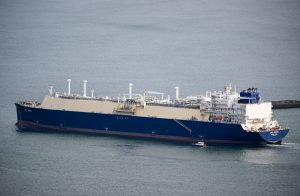
The Strait of Hormuz—through which roughly one-fifth of the world’s crude oil supply passes—has effectively been shut down following attacks on vessels and neighbouring Gulf states.
Two oil tankers were attacked off the coast of Iraq, leaving at least one crew member dead, while another cargo ship caught fire after being struck by shrapnel.
In its latest report, the IEA said global crude production has fallen by at least 8 million barrels per day, with an additional 2 million barrels of petroleum products affected, representing about 7.5 percent of total global daily production.
The sharp rise in oil prices comes 13 days after airstrikes were launched against Iran by the United States and Israel, triggering the current crisis.
Speaking on the situation, US President Donald Trump said preventing Iran from obtaining nuclear weapons was more important than controlling oil prices.
“Energy markets have been rattled by news of Iranian attacks on shipping in the Persian Gulf, along with missiles aimed at countries across the region,” said market analyst David Morrison of Trade Nation.
He added that the inability of the United States to reopen the Strait of Hormuz and secure shipping routes suggested limits to its influence in the region.
The surge in oil prices is already affecting the aviation sector.
Air New Zealand announced it would cancel 1,100 flights over the next two months, while Cathay Pacific introduced new jet fuel surcharges on most routes.
Meanwhile, Air France-KLM said it would raise ticket prices to offset rising fuel costs.
Kathleen Brooks, research director at trading group XTB, warned that prolonged high oil prices could trigger wider economic consequences.
“The longer the oil price remains elevated, the more damaging and long-lasting the inflation shock will be for the global economy,” she said.
Financial markets reacted negatively to the energy shock.
Major US stock indices fell at the opening bell on Wall Street, with the Dow Jones Industrial Average dropping more than one percent.
European markets such as the FTSE 100 in London, CAC 40 in Paris and DAX in Frankfurt also traded lower.
Asian markets including Japan’s Nikkei 225 and Hong Kong’s Hang Seng Index closed in negative territory.
Meanwhile, the US dollar strengthened against most major currencies as investors sought safer assets amid rising geopolitical risks.
Victoria Scholar, head of investment at Interactive Investor, said the stronger dollar reflected safe-haven demand, inflation concerns and expectations that interest rates could remain higher for longer.


Happy
0 %

Sad
0 %

Excited
0 %

Sleepy
0 %

Angry
0 %

Surprise
0 %
 0
0
 0
0