
IRAN WARNS CIVILIANS TO AVOID US BASES AS HORMUZ TENSIONS ESCALATE
Read Time:1 Minute, 57 Second
Agency Report
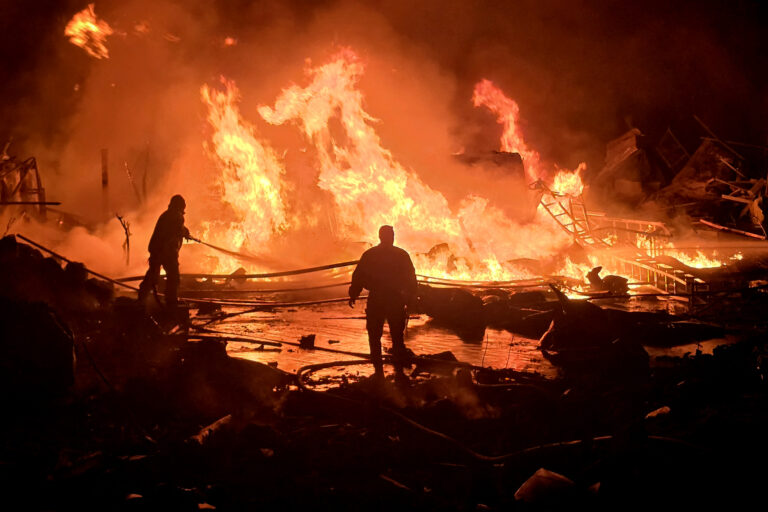
Iran’s Islamic Revolutionary Guard Corps has issued a stark warning to civilians across the Middle East to stay away from areas near United States forces, amid escalating tensions in the ongoing conflict involving Iran, United States, and Israel.
The warning comes as U.S. President Donald Trump extended a deadline for Tehran to reopen the Strait of Hormuz until April 6 or face potential destruction of its energy infrastructure. Despite the extension, Trump maintained that negotiations to end the month-long conflict were “going well.”
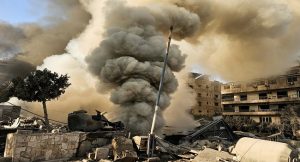
The conflict, now in its fourth week following initial strikes on February 28, has intensified with fresh overnight attacks reported in Tehran, as well as in the holy city of Qom and Urmia. Iranian authorities say at least 120 cultural and historic sites, including the UNESCO-listed Golestan Palace, have been damaged in the bombardments.
In a strongly worded statement, the Revolutionary Guards accused U.S. and Israeli forces of using “human shields” and warned civilians to “urgently leave locations where American forces are stationed.” The military also threatened to target hotels allegedly housing U.S. troops across the region.
The situation has further rattled global markets, with disruptions to shipping and energy infrastructure. Kuwait confirmed that its main commercial port was hit by a drone strike, while Iranian officials threatened attacks on key energy facilities in Saudi Arabia and the United Arab Emirates if a ground invasion occurs.
Iran has also doubled down on its position regarding the Strait of Hormuz, declaring it “closed” to vessels linked to adversaries and reportedly turning back multiple ships attempting to pass through the vital waterway, through which a significant share of global oil and gas supplies flows.
Diplomatic efforts are ongoing, with U.S. Secretary of State Marco Rubio engaging counterparts during G7 talks in France. The G7 nations have called for urgent de-escalation, warning that the continued blockade threatens the global economy.
While reports suggest a possible direct meeting between Washington and Tehran could take place soon, tensions remain high. Iran is said to have responded to a U.S. proposal with demands including war reparations and recognition of its sovereignty over Hormuz.
Meanwhile, Israeli Defence Minister Israel Katz has vowed to intensify military operations against Iran, underscoring the fragile state of diplomacy as the conflict continues to widen across the region.


Happy
0 %

Sad
0 %

Excited
0 %

Sleepy
0 %

Angry
0 %

Surprise
0 %
 0
0
 0
0