
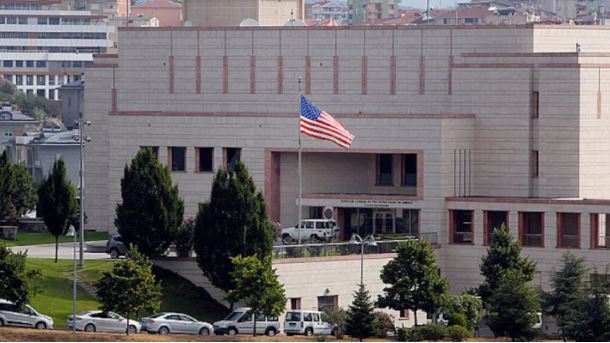
US EMBASSY WARNS CITIZENS AGAINST TRAVEL TO HIGH-RISK NIGERIAN STATES
Read Time:1 Minute, 46 Second
By: Balogun Ibrahim
The US Embassy in Nigeria has classified 23 Nigerian states as high-risk, advising non-emergency staff and their families to avoid these areas amid escalating security concerns.
In its latest travel advisory, updated on April 8, 2026, the embassy urged American citizens to reconsider trips to Nigeria due to persistent threats, including crime, terrorism, kidnapping, and civil unrest.
While the overall advisory for Nigeria remains at Level 3: Reconsider Travel, several regions have been raised to Level 4: Do Not Travel. Newly added states at the highest-risk level include Plateau, Jigawa, Kwara, Niger, and Taraba.
Detailing staff movements, the US Department of State stated:
“On April 8, 2026, the Department of State authorised non-emergency US government employees and family members to depart the US Embassy in Abuja due to the deteriorating security situation.”
The advisory also warned civilians:
“Reconsider travel to Nigeria due to crime, terrorism, unrest, kidnapping, and inconsistent availability of healthcare services. Some areas have increased risk.”
States Listed as “Do Not Travel”
- Borno
- Jigawa
- Kogi
- Kwara
- Niger
- Plateau
- Taraba
- Yobe
- Northern Adamawa
The advisory cited widespread violence between communities, armed crime, and kidnappings in these areas, noting that security operations could occur without warning.
READ MORE…
Additional High-Risk States (Unrest and Kidnapping)
- Bauchi
- Gombe
- Kaduna
- Kano
- Katsina
- Sokoto
- Zamfara
Southern States Flagged for Crime
- Abia
- Anambra
- Bayelsa
- Delta
- Enugu
- Imo
- Rivers (excluding Port Harcourt)
The embassy highlighted that crime, including armed robbery, carjacking, and kidnappings for ransom, is widespread in southern Nigeria. It also stressed that US citizens are often targeted due to perceived wealth.
Terrorism threats remain high in public areas such as markets, shopping centers, hotels, and places of worship, while healthcare services are inconsistent and generally below international standards.
Despite the warnings, the State Department encouraged Americans who must travel to register with the Smart Traveler Enrollment Program (STEP) to receive real-time updates. Travelers were also advised to exercise extreme caution, avoid large gatherings or protests, and implement personal safety measures, including “proof of life” protocols.


Happy
0 %

Sad
0 %

Excited
0 %

Sleepy
0 %

Angry
0 %

Surprise
0 %
 0
0
 0
0