
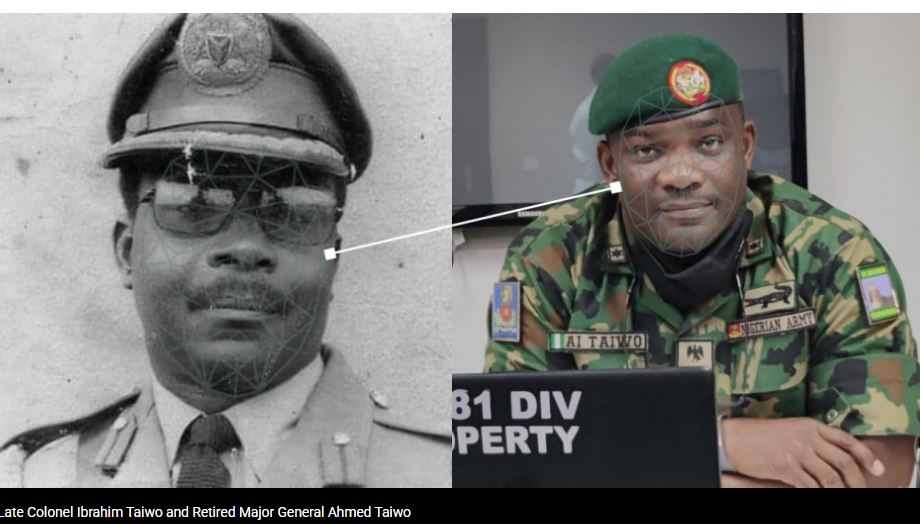
COLONEL TAIWO’S SON CALLS FOR FORGIVENESS IN ASABA MASSACRE
Read Time:2 Minute, 25 Second
Retired Major General Ahmed Taiwo, who is the son of the late Colonel Ibrahim Taiwo, has asked for forgiveness and urged honest conversations about painful moments in Nigeria’s history, including the 1967 Asaba Massacre. He made this statement during an interview on Channels TV on Wednesday.
He talked about the importance of facing the past and healing the pain caused by past violence. He said Nigerians should be open about difficult events from history instead of ignoring them.
His call came after he publicly apologized on behalf of his father and family for the massacre, in which many civilians were killed by Nigerian army forces during the Civil War.
He said people across the country had experienced different forms of hurt, adding that forgiveness was necessary for healing to take place.
“Everybody has been hurt, one way or the other, even in my own case, not really the Asaba incident, but other means. You expect that one was hurt, but I have always believed that forgiveness is the only way we can heal this,” he said.
Ahmed also criticised the tendency to avoid conversations about painful events, saying open and truthful discussions could help Nigerians move towards reconciliation.
“Talking about it, we tend to sweep everything under the carpet. Once you are able to talk about it truthfully, you could arrive at a place of forgiveness and healing,” he said.
He called for broader national discussions on historical events and other issues that had affected the country.
“I think we should have major discussions around all these issues that bedeviled the nation, truthful discussions, and seek true forgiveness and healing will come thereafter,” he said.
Ahmed’s appeal came as Asaba marked the 59th anniversary of the massacre, which occurred in October 1967 during the Nigerian Civil War.
Historical accounts say federal troops entered Asaba in the aftermath of an advance by Biafran forces into the then Mid-Western Region and the subsequent federal counteroffensive.
On October 7, 1967, residents reportedly organised a public demonstration of loyalty to Nigeria in the hope of ending the violence. Many wore traditional white attire and marched through the town, singing and chanting “One Nigeria”.
Soldiers subsequently separated men and boys from women and younger children before opening fire on the men and boys, according to historical accounts.
The exact number of victims remains disputed because of incomplete records. Estimates of those killed in the main massacre range from several hundred, while broader estimates covering the violence in Asaba during the period are higher.
The killings left lasting trauma among survivors and families who lost relatives.
At the 59th anniversary memorial in Asaba on October 7, 2026, Ahmed expressed regret and apologised on behalf of his father and family for any role his father may have played in the killings.
He acknowledged that the apology could not undo the tragedy but expressed hope that it would contribute to reconciliatio


Happy
0 %

Sad
0 %

Excited
0 %

Sleepy
0 %

Angry
0 %

Surprise
0 %
 0
 0