
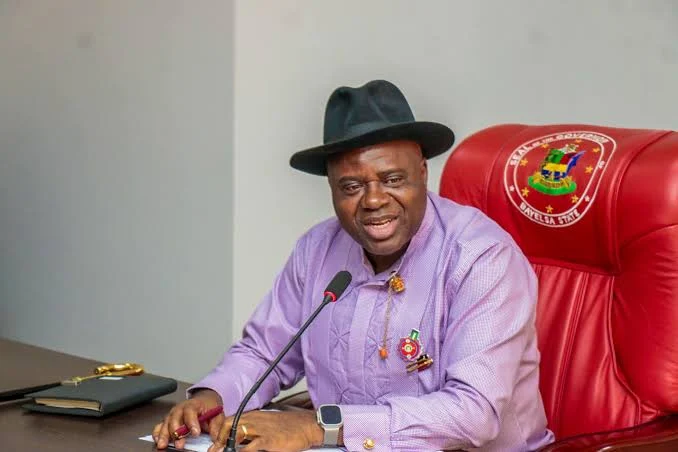
EMERGENCY RESPONSE TRAINING CRUCIAL TO SAVING LIVES IN BAYELSA — COMMISSIONER
Read Time:3 Minute, 31 Second

By:Aminat Tajudeen
The Bayelsa State Commissioner for Health, Prof. Seiyefa Brisibe, has said training secondary school students and teachers in emergency response will help save lives and reduce the time it takes to respond to medical emergencies across the state.
Brisibe spoke on Thursday during a three-day emergency response training organised by FIRST Exploration & Petroleum Development Company Limited and the NNPC Limited/FIRST E&P Joint Venture, in partnership with the Health Emergency Initiative, in Yenagoa.
The programme trained more than 100 secondary school students and 50 teachers from public schools across the state in first aid, cardiopulmonary resuscitation and other emergency response techniques.
The commissioner described the initiative as part of the state government’s broader efforts to strengthen healthcare delivery and improve life expectancy among residents.
Brisibe said Bayelsa ranked sixth among Nigerian states in healthcare spending in the first quarter of 2026 but recorded the highest health investment on a per-capita basis.
He said the state government invested about N9bn in healthcare during the period, compared with more than N36bn spent by the leading state.
According to him, the figures reflected the commitment of the Governor Douye Diri administration to improving healthcare services and the quality of life of Bayelsans.
“This is an investment that is here to save lives and shorten our response time to medical emergencies,” Brisibe said.
He stressed the importance of timely intervention during medical emergencies, particularly cardiovascular cases, where treatment within the first few minutes could determine whether a patient survives.
The commissioner said equipping young people with emergency response skills would promote a culture of responsible intervention in schools, homes and communities.
He added that the state government planned to extend the training programme beyond schools to public institutions and communities.
Brisibe disclosed that the next phase would involve training focal persons from the judiciary, legislature and various ministries, particularly those working in public spaces, before extending the programme to community leaders.
He also said the government was introducing new programmes at the Bayelsa State College of Health Technology to strengthen emergency medical services.
According to him, diploma programmes in emergency medical technology, paramedics and physiotherapy have been introduced at the institution.
Brisibe said the physiotherapy programme would also help integrate traditional bone setters into the formal healthcare system by teaching them when to refer patients and when certain injuries should not be manipulated.
Earlier, the Executive Director and founder of HEI, Paschal Achunine, said the initiative was designed to change the response of bystanders during emergencies from simply recording incidents for social media to taking proactive steps to save lives.
Achunine said the participants were trained in basic first aid, CPR and other pre-hospital care skills, noting that early intervention could improve the survival chances of accident victims and people experiencing cardiovascular emergencies.
He said more than 30 per cent of deaths in Nigeria occurred during the pre-hospital stage, describing the training as a proactive measure to reduce preventable deaths.
Achunine disclosed that HEI had operated a post-crash care programme since 2017 through partnerships with organisations including the Federal Road Safety Corps and hospitals, providing up to N100,000 in deposit support for critically injured crash victims taken to hospitals.
He said the first responder training was intended to complement the programme by ensuring that appropriate lifesaving measures were taken before victims reached medical facilities.
Achunine also disclosed that HEI had partnered with the Nigeria Educational Research and Development Council to integrate emergency health education into the school curriculum.
He said approval had been secured from the relevant authorities to introduce the programme into composite subjects in primary and secondary schools.
Also speaking, the Executive Director, Corporate Services, FIRST E&P, Emmanuel Etomi, said the company supported the initiative because timely intervention during emergencies could determine whether a victim survived.
Etomi said the difference between life and death during a medical emergency, road traffic accident, cardiac arrest or other life-threatening situation could be measured in minutes.
He stressed the need to equip community members with the knowledge of what to do before professional medical help arrives, adding that the trained students and teachers could serve as first responders in schools, homes and communities.


Happy
0 %

Sad
0 %

Excited
0 %

Sleepy
0 %

Angry
0 %

Surprise
0 %
 0
0
 0
0