
EU INTRODUCES NEW GUIDELINES TO BOOST EMERGENCY PREPAREDNESS
Read Time:1 Minute, 18 Second
By ‘Balogun Ibrahim
The European Commission is stepping up efforts to improve emergency preparedness across the European Union, citing the growing frequency and complexity of crises facing the region.
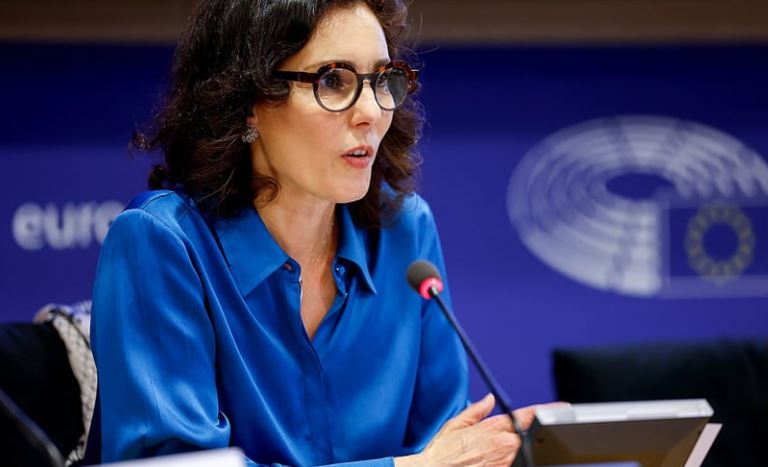
The EU Commissioner for Preparedness and Crisis Management, Hadja Lahbib, on Tuesday introduced new guidelines aimed at helping member states, individuals and communities prepare for emergencies.
“Every European should know what to do, how to protect their family, and how to help others,” Lahbib said, stressing that preparedness should begin at home, in schools and within local communities.
The guidelines outline four major areas, beginning with the need for individuals and households to remain self-sufficient for at least 72 hours by keeping essential supplies while awaiting the mobilisation of public assistance.
READ MORE…
IRANIAN PRESIDENT SPEAKS ON POSSIBLE ASSASSINATION AMID US STRIKE FEARS
The second area focuses on preparedness education, recommending the integration of emergency planning into early childhood and primary school curricula, alongside training for teachers and other educators.
The third addresses disability-inclusive preparedness, emphasising the need to consider persons with disabilities in emergency planning and ensure their active participation.
The fourth area centres on effective communication of risks and threats to help people understand and respond appropriately to emergencies.
The framework is also built around an adopted recommendation on operational continuity and stress-testing, designed to strengthen the resilience of national civil protection contact points.
Meanwhile, the European Commission has proposed the introduction of an annual EU Preparedness Day on October 23, beginning in 2027, to encourage greater public participation in emergency planning.


Happy
0 %

Sad
0 %

Excited
0 %

Sleepy
0 %

Angry
0 %

Surprise
0 %
 0
 0