
TUPAC’S ACCUSED KILLER SOUGHT REVENGE, JURY HEARS
Read Time:3 Minute, 18 Second
By ‘Sefiu Ajape
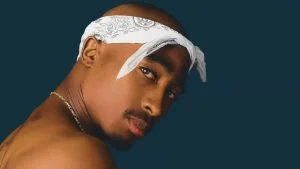
Rapper Tupac Shakur was killed in a gang revenge attack allegedly ordered by a mobster who later boasted about his role in the murder, jurors heard on Monday as one of the United States’ most anticipated trials began nearly 30 years after the rapper’s death.
Prosecutor Binu Pilal told a Las Vegas court that Duane “Keffe D” Davis, a former leader of the South Side Compton Crips, ordered the killing after his nephew was beaten by a rival gang.
“On September 7, 1996, Tupac Shakur publicly, on camera, participated in a humiliating beating of Duane Davis’s nephew, Orlando Anderson,” Pilal said.
“Then, two and a half hours later… Tupac is gunned down in a drive-by shooting from a white Cadillac in an act of revenge.”
According to the prosecution, Davis did not fire the fatal shots himself but handed a gun to a person in the back seat of the vehicle and instructed the individual to shoot Shakur.
Pilal said Davis had repeatedly admitted his involvement in the killing during interviews with law enforcement and the media, as well as in an autobiography.
“Over the years, in private interviews, in public statements, and even in private calls, Duane Davis has repeatedly told us over and over again about the anger he felt, and his own role in the revenge drive-by shooting of Tupac Shakur.
“And now, nearly 30 years later, we’re going to ask you to finally hold Duane Davis accountable,” he told the jury.
Davis, 63, has denied all charges. The trial could last more than a month, and he faces a possible life sentence without parole if convicted.
East Coast vs. West Coast
The killing of Shakur, also known as 2Pac, remains one of the most high-profile cold cases in the United States and has generated decades of debate among music fans over who was responsible and the motive behind the killing.
Shakur was 25 when he died and was a central figure in the hip-hop rivalry between the US East Coast and West Coast.
Known for hits including “California Love” and “All Eyez on Me,” Shakur was the son of a Black Panther and was raised in Harlem and Baltimore before becoming closely associated with the Los Angeles music scene after signing with Death Row Records.
The trial is expected to revisit the long-running rivalry between Death Row, founded by Marion “Suge” Knight, and Bad Boy Records, the East Coast label founded by Sean “Diddy” Combs and home to Christopher “The Notorious B.I.G.” Wallace, who was also murdered in March 1997.
Prosecutors say Death Row Records was protected by Mob Piru, a Los Angeles gang affiliated with the wider Bloods alliance, with Knight also linked to the group.
Bad Boy Records, meanwhile, had hired the rival South Side Compton Crips, led by Davis, as bodyguards.
Knight and Shakur were in Las Vegas to watch boxer Mike Tyson fight when they confronted and beat up Davis’s nephew, Crips member Orlando “Baby Lane” Anderson, in retaliation for an alleged assault on a Death Row employee.
The prosecution alleges that Davis subsequently sought revenge.
Later that night, a white Cadillac carrying Davis, Anderson, and others pulled alongside Shakur’s vehicle in Las Vegas. Gunshots were fired from the Cadillac, fatally wounding the rapper.
The investigation stalled for decades due to a lack of evidence but was revived after Davis’s memoir was published in 2019.
In the book, Davis recounted that he was sitting in the front seat of the Cadillac and handed a pistol to people in the back seat. However, he did not identify who fired the shots at Shakur.
The other people who were in the Cadillac that night have since died.
Davis later recanted the claims, arguing that they were merely bluster and had been fabricated by a ghostwriter to boost book sales. He has pleaded not guilty to the charges.


Happy
0 %

Sad
0 %

Excited
0 %

Sleepy
0 %

Angry
0 %

Surprise
0 %
 0
0
 0
0