
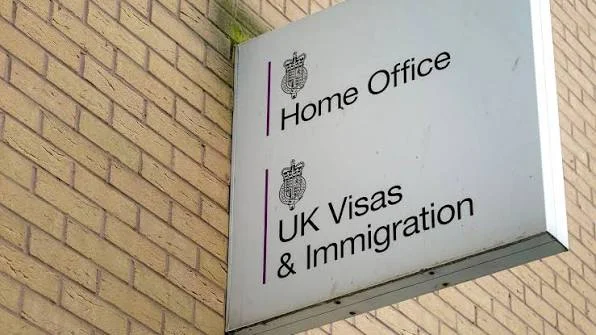
UK REVISES LIST OF ITEMS TRAVELLERS MAY BRING INTO THE COUNTRY
Read Time:2 Minute, 49 Second
By; Aina Daniel
The United Kingdom has updated its customs guidelines, outlining the items travellers are permitted to bring into the country duty-free, as well as those that are prohibited or require special permits.
Under the revised guidance, travellers entering the UK may carry a range of personal belongings without paying customs duty or tax, provided the items are for personal use or intended as gifts. However, stricter rules apply to alcohol, tobacco, restricted goods and items imported for commercial purposes.
Duty-Free Allowances
For travellers arriving in England, Scotland and Wales from outside the UK, the duty-free alcohol allowance includes:
- Up to 42 litres of beer
- Up to 18 litres of still wine
- Either 4 litres of spirits or liquor exceeding 22 per cent alcohol, or 9 litres of alcoholic beverages containing up to 22 per cent alcohol, including sparkling wine, port, sherry and cider.
Travellers may also split the allowance. For instance, they can bring 2 litres of spirits and 4.5 litres of fortified wine.
For tobacco products, visitors are allowed to bring one of the following—or a combination within the permitted limit:
- 200 cigarettes
- 100 cigarillos
- 50 cigars
- 250 grams of tobacco
- 200 heated tobacco sticks
In addition, travellers can bring other personal items, including clothing, electronics, jewellery and souvenirs, valued at up to £390 when arriving by most forms of transport, or £270 if arriving by private aircraft or boat.
Rules for Minors
The UK government noted that travellers under the age of 17 are not entitled to duty-free allowances for alcohol or tobacco. Any such items carried by minors must be declared and may attract customs duties.
Prohibited Items
The updated guidance prohibits travellers from bringing several items into the country, including:
- Controlled drugs
- Offensive weapons such as flick knives
- Pepper spray and CS gas
- Endangered animal and plant species
- Rough diamonds
- Obscene books, magazines, films and DVDs
- Meat and dairy products from most non-European Union countries
Authorities warned that prohibited items may be confiscated, while offenders risk prosecution.
Restricted Goods
Some items may only be imported with the appropriate licence or permit. These include firearms, explosives, ammunition, certain food products, plants, animal products and goods protected under the Convention on International Trade in Endangered Species (CITES).
Examples include exotic leather products, animal furs, some wooden musical instruments, souvenirs made from protected species, selected food items, beauty products and certain medicines.
Travellers intending to import such goods may be required to obtain a CITES permit or another relevant import licence before arrival.
Counterfeit Goods and Customs Declarations
The UK also warned that counterfeit or pirated products including fake designer items and unauthorised copies of films or music may be seized, with offenders facing possible legal action.
Travellers are required to declare goods if they exceed the permitted duty-free allowance, are carrying restricted or prohibited items, or are importing goods for commercial purposes.
Failure to declare such items could result in confiscation, fines or prosecution.
The government further cautioned that once a traveller exceeds the duty-free limit for a particular category, customs duty and tax become payable on the entire quantity, not just the amount above the threshold.
To ease entry procedures, travellers can submit customs declarations online up to five days before arrival or declare goods at the border through the red customs channel or designated red-point telephone facilities.


Happy
0 %

Sad
0 %

Excited
0 %

Sleepy
0 %

Angry
0 %

Surprise
0 %
 0
0
 0
0