
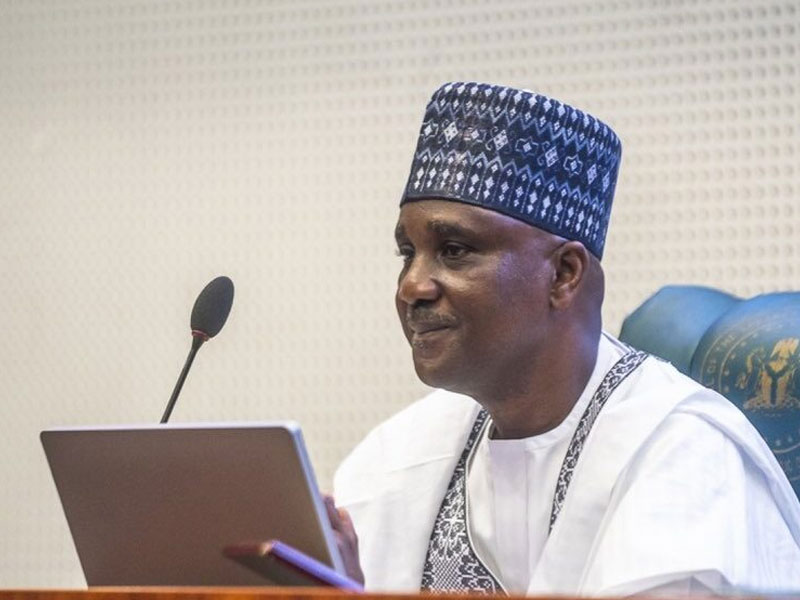
ABBAS DEFENDS HYBRID RESULTS TRANSMISSION AHEAD OF 2027 POLLS
Read Time:1 Minute, 37 Second
By Aishat Momoh. O.
Speaker of the House of Representatives, Tajudeen Abbas, has defended the National Assembly’s approval of a hybrid system for the transmission of election results, saying the move is aimed at preventing voter disenfranchisement and apathy ahead of the 2027 general elections.
Abbas explained that Nigeria’s limited internet penetration and unstable electricity supply make it impractical to rely solely on real-time electronic transmission nationwide.
Speaking during a courtesy visit by the Spanish Ambassador to Nigeria, Felix Costales, at the National Assembly complex in Abuja, the Speaker said calls for exclusive electronic transmission overlook infrastructure realities.
Citing data from the Nigerian Communications Commission, Abbas noted that nearly 40 per cent of Nigeria’s territory remains underserved by internet coverage.
“If we are to introduce only the electronic system, it will further reduce the number, because 40 per cent of the country will probably not be able to vote,” he said, warning that such a move could disenfranchise voters and lower turnout.
He added that Nigeria’s energy crisis further complicates the feasibility of nationwide real-time electronic transmission, stressing that internet services depend heavily on stable power supply.
“That is why we said, in our wisdom, the Electoral Act should be hybrid, a combination of both the manual and electronic systems. Where it is feasible to use the electronic, use it; where it is not possible, use the manual,” Abbas stated.
The amended Electoral Act 2022, recently assented to by President Bola Tinubu, authorises both electronic and manual transmission methods depending on infrastructure availability.
Abbas described Nigeria’s democracy as a gradual process that improves “election after election,” expressing optimism about collaboration with Spain to strengthen legislative processes.
Ambassador Costales said his visit was to deepen legislative diplomacy and bilateral ties, assuring support for Nigeria’s democratic development.
While supporters have described the hybrid system as pragmatic, critics argue that it could undermine transparency if not properly implemented and monitored.


Happy
0 %

Sad
0 %

Excited
0 %

Sleepy
0 %

Angry
0 %

Surprise
0 %
 0
0
 0
0