
CALABAR’S ENVIRONMENTAL GLORY FADES: WASTE CRISIS SPARKS HEALTH ALARM
Read Time:2 Minute, 16 Second
By: Fasasi Hammad
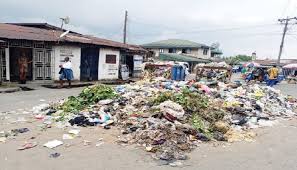
Calabar, the capital of Cross River State once celebrated as Nigeria’s cleanest city, is now overwhelmed by heaps of refuse clogging streets and affecting residents and motorists alike. The Cross River State Government has been struggling for weeks to clear the city, sparking public outrage over the loss of Calabar’s clean and green reputation.
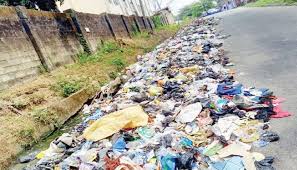
Residents report navigating around mountains of waste to reach their destinations, with some streets rendered almost impassable. Journalist Cletus Asuquo shared photos of litter-strewn roads on social media, questioning the effectiveness of the monthly sanitation enforcement by the Ministry of Environment. Similarly, resident Bassey Effiong warned that prolonged neglect of refuse evacuation could spark an epidemic.
Local environmental advocates blame the worsening situation on poor planning amid population growth. Effiom Duke of Green Code highlighted the dangers of the Lemna dumpsite, noting its runoff contaminates local water sources. A senior lecturer in Environmental Pollution at the University of Calabar emphasized that blocked drainage channels from overflowing refuse could lead to severe flooding, while scavengers repurposing waste into bottles pose serious health risks.
Calabar’s reputation as a clean, tourism-friendly city was cemented under former Governor Donald Duke (1999–2007), whose “Clean and Green” campaign, tree-planting initiatives, and strict enforcement of sanitation regulations created a thriving urban environment. Residents recall strict fines for littering, vehicle-based waste disposal rules, and efficient bin replacement systems that maintained the city’s order.
Successive administrations, however, struggled to maintain these standards. Activist Elizabeth Enu-Akan and other residents noted that bins fell into disrepair, improper disposal habits became common, and the task force meant to enforce cleanliness became ineffective. During Governor Ben Ayade’s tenure, sanitation efforts were largely symbolic, focusing on revenue from defaulters rather than effective waste management.
Governor Bassey Otu’s current administration has renewed efforts to tackle the problem, collaborating with the Calabar Urban Development Authority (CUDA) to enforce structured waste disposal between 6 pm and 10 pm daily. Street sweeping programs, stricter monitoring, and penalties—including N50,000 fines for indiscriminate dumping—have been introduced. Residents are encouraged to participate in cleanup days to restore civic pride.
The city’s fall from grace is reflected in the State of the Nigerian Environment (STONE) 2025 report, which ranked Akwa Ibom as Nigeria’s cleanest state, while Cross River trailed in the top nine. Experts warn that the accumulation of refuse not only threatens public health but also contributes to localized flooding.
Residents continue to call for urgent government intervention to prevent the looming public health crisis. If properly enforced, the new waste management measures, coupled with public cooperation, could help Calabar reclaim its historical status as a clean, green, and vibrant city.



Happy
0 %

Sad
0 %

Excited
0 %

Sleepy
0 %

Angry
0 %

Surprise
0 %
 0
0
 0
0