AIRFARES HOLD STEADY DESPITE 184% SURGE IN AVIATION FUEL COSTS
Read Time:1 Minute, 31 Second
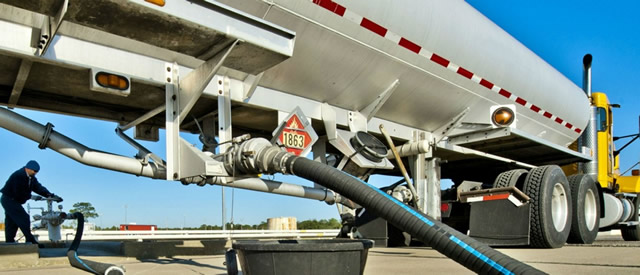
Airfares in Nigeria have remained largely unchanged despite a sharp 184 per cent increase in aviation fuel prices over the past two months, driven by tensions in the Middle East.
Industry sources say intense competition among local carriers has prevented airlines from passing the rising costs on to passengers, even as operational expenses continue to climb.
Aviation fuel, a major cost component accounting for about 40 per cent of airline expenses, has risen from about N900 per litre in January to over N2,500 per litre in March 2026. Despite this spike, ticket prices on key domestic routes still range between N106,000 and N147,000.
For instance, flights such as Lagos–Abuja and Uyo–Abuja on Ibom Air remain around N114,000, while routes like Kano–Lagos and Lagos–Port Harcourt on United Nigeria Airlines sell for about N142,500.
Data from fuel marketers shows significant regional price variations, with Sokoto recording the highest aviation fuel price at N2,557 per litre, while Lagos has the lowest at about N2,500 per litre.
Aviation analyst Olumide Ohunayo described the situation as unsustainable, warning that even if airlines eventually increase fares, the adjustments may not be enough to offset mounting losses. He noted that Nigeria’s aviation fuel prices are relatively high compared to other countries, where governments have implemented relief measures such as tax reductions.
Similarly, retired pilot Muhammad Badamosi said airlines are wary of raising ticket prices further due to the risk of losing passengers, as many Nigerians may opt for road travel amid current economic challenges.
Experts say the sector is caught in a difficult balancing act—managing rising operational costs while maintaining affordability for passengers. They have called on the government to introduce interventions such as temporary tax reliefs to cushion the impact on both airlines and travelers.


Happy
0 %

Sad
0 %

Excited
0 %

Sleepy
0 %

Angry
0 %

Surprise
0 %
 0
0
 0
0