
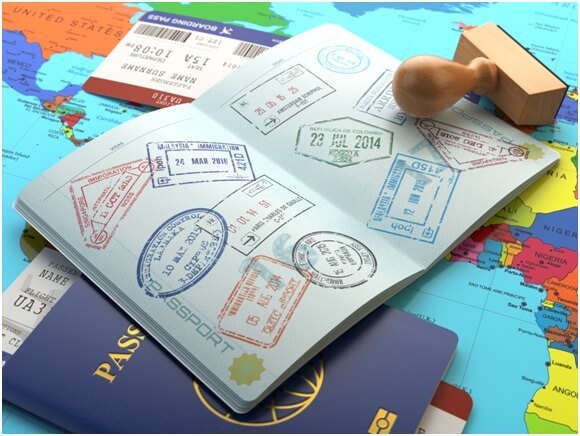
FG REACTS AS US, UAE, UK IMPOSE TOUGHER VISA RESTRICTIONS ON NIGERIANS
Read Time:2 Minute, 38 Second
By Aishat Momoh. O.
The Federal Government has expressed deep concern over the United States’ recent decision to impose stricter visa conditions on Nigerian citizens, describing the move as “disproportionate” and calling for its reconsideration in the spirit of mutual respect and cooperation.
The US Department of State announced that, effective July 8, 2025, non-immigrant and non-diplomatic visas—such as the B1/B2 (business and tourism), F (student), and J (exchange visitor) categories—will now be valid for only three months and restricted to a single entry. The change, part of a global visa reciprocity review, has sparked concern from Nigerian authorities.
In a statement issued by the Ministry of Foreign Affairs on Wednesday, spokesperson Kimiebi Ebienfa said the government is closely assessing the implications of the policy and will respond after consulting relevant stakeholders.
“The decision appears misaligned with the principles of reciprocity, equity, and mutual respect that should guide bilateral engagements between friendly nations,” the statement said, urging the US to reconsider the policy in light of longstanding diplomatic and people-to-people ties.
Minister of Interior, Olubunmi Tunji-Ojo, led a delegation in a meeting with US Ambassador Richard Mills in Abuja to discuss the changes. Both sides pledged to strengthen collaboration, particularly in enforcing travel regulations, managing visa overstays, and sharing security-related data.
Meanwhile, the United Arab Emirates has introduced even more stringent requirements for Nigerian travellers. According to new Dubai immigration directives, Nigerians aged 18–45 are ineligible for tourist visas unless accompanied, while those aged 45 and above must present a six-month personal bank statement showing a minimum balance of $10,000 per month.
British authorities also announced changes to their immigration system. From July 15, 2025, most Nigerians applying for study or work visas will receive digital eVisas instead of visa stickers. The British High Commission described the measure as a move toward a more efficient, secure, and fully digital immigration process.
The visa restrictions have drawn sharp reactions from opposition figures and political analysts in Nigeria. Labour Party Deputy National Chairman, Dr. Ayo Olorunfemi, said the development reflects growing international isolation due to poor governance and economic hardship.
“This is not just about visas; it’s a reflection of how we are perceived globally. Nigeria is regressing while the world is moving forward,” he said.
The New Nigeria Peoples Party (NNPP) echoed the sentiment, calling the trend a “wake-up call” for the government to improve domestic conditions and re-engage diplomatically with the international community.
Political figures, including Dele Momodu of the PDP and Bashir Ahmad, an aide to former President Buhari, also weighed in, linking the changes to Nigeria’s evolving foreign policy and strategic alignments, particularly its growing interest in the BRICS bloc.
However, the Presidency has downplayed concerns over strained diplomatic ties. Special Adviser on Policy Communication, Daniel Bwala, said the visa issue is being reviewed and reaffirmed that Nigeria continues to enjoy “strong and stable” relations with the US.
The Federal Government assured Nigerians that it is working to ensure fair treatment of its citizens globally and is committed to addressing the concerns raised by foreign governments through diplomatic channels.


Happy
0 %

Sad
0 %

Excited
0 %

Sleepy
0 %

Angry
0 %

Surprise
0 %
 0
0
 0
0