

TINUBU SAYS GOVERNMENT’S ECONOMIC REFORMS ARE PAYING OFF
Read Time:1 Minute, 49 Second
By: Fasasi Hammad
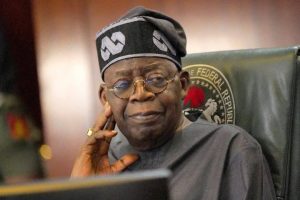
President Bola Tinubu has said his administration’s economic reforms are beginning to deliver positive results, pointing to improved macroeconomic stability and increased federal allocations to states and local governments.
He made the remarks while officially opening the two-day National Economic Council (NEC) conference in Abuja on Monday, themed “Delivering Inclusive Growth and Sustainable Development: The Renewed Hope National Development Plan.”
Speaking to stakeholders, Tinubu acknowledged that Nigeria continues to face challenges, including macroeconomic imbalances, infrastructure deficits, unemployment, poverty, climate vulnerabilities, and limited fiscal space. He, however, emphasised that the resilience and creativity of Nigerians remain a key strength.
“Since the inception of this administration, we have undertaken bold and necessary reforms to stabilise the economy, restore confidence, and lay the foundation for long-term growth,” Tinubu said. “These reforms are instruments for delivering prosperity, dignity, and opportunity to all Nigerians. We have recorded notable achievements that reflect our commitment to cooperative federalism and inclusive development.”
The president noted that monetary policy reforms implemented under his administration are beginning to yield tangible outcomes, with progress recognised internationally. He highlighted improvements in federal revenue distribution as one of the administration’s key achievements, saying states and local governments now receive higher and more predictable allocations.
READ MORE :
PORTO MANAGER HINTS MOFFI COULD FEATURE AGAINST SPORTING LISBON
“States and local governments now receive increased and more predictable federal allocations, enhancing their capacity to pay salaries, invest in infrastructure, and deliver social services,” Tinubu said.
He added that his administration has strengthened macroeconomic stability through improved revenue performance, enhanced public financial management, and better fiscal coordination. Infrastructure development has also been prioritised in critical sectors such as transportation, power, digital connectivity, housing, and irrigation, which he described as catalysts for inclusive economic growth.
Tinubu further noted that social investment and human capital programmes have been expanded to support vulnerable households, youths, women, and small businesses. He said the combined impact of these measures underscores his administration’s commitment to cooperative federalism and inclusive national development.
“The reforms we have introduced are necessary to reposition the economy and ensure sustainable growth in the long term,” he added.


Happy
0 %

Sad
0 %

Excited
0 %

Sleepy
0 %

Angry
0 %

Surprise
0 %
 0
0
 0
0