
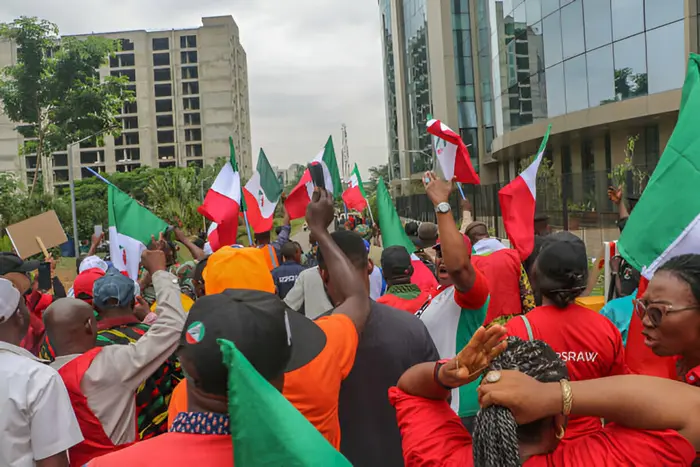
NLC, TUC DEMAND N500,000 MINIMUM WAGE AS TALKS WITH FG RESUME
Read Time:1 Minute, 46 Second
By:Tajudeen Aminat
The Nigeria Labour Congress (NLC) and the Trade Union Congress (TUC) have called on the Federal Government to approve a new national minimum wage of ₦500,000, arguing that the current wage is no longer sufficient to meet the economic realities facing Nigerian workers.
The demand was made by the NLC’s National Deputy President and President of the Nigeria Union of Teachers (NUT), Comrade Audu Titus Amba, during the Nigeria Rights of Workers Summit held in Birnin Kebbi, Kebbi State.
Representing NLC President Joe Ajaero, Amba said the timeline for the last minimum wage review expired in July, making it necessary for organised labour to begin fresh negotiations with the Federal Government.
He disclosed that the NLC had directed its representatives to return to the negotiating table to push for a new minimum wage of at least ₦500,000.
“We want to commence another round of negotiations with the Federal Government to demand that at least ₦500,000 be approved as the new national minimum wage for Nigerian workers,” Amba said.
According to him, any amount below the proposed figure would be inadequate to cushion the impact of the rising cost of living and other economic pressures confronting workers.
Amba stressed that organised labour is not seeking confrontation with the government but is calling for a realistic wage review that reflects current economic conditions.
The fresh demand comes after the implementation of the ₦70,000 minimum wage, which emerged from the previous negotiations between the Federal Government and organised labour.
He maintained that worsening economic hardship has made another review necessary to improve workers’ welfare.
Also speaking at the summit, Kebbi State Governor, Nasir Idris, pledged to present the unions’ demand to the Nigeria Governors’ Forum (NGF).
Idris noted that Kebbi was the first state to implement a ₦75,000 minimum wage for its workers and assured labour leaders of his support in advocating for improved workers’ welfare.
The summit, attended by about 1,000 delegates, focused on issues affecting Nigerian workers, trade union leadership and strategies for improving the welfare and working conditions of employees across the country.


Happy
0 %

Sad
0 %

Excited
0 %

Sleepy
0 %

Angry
0 %

Surprise
0 %
 0
0
 0
0