
OSUN 2026: POLICE DENY ‘HIT LIST’ ALLEGATION AMID ACCORD CRACKDOWN CLAIMS
Read Time:3 Minute, 7 Second
By: Muftau Fatimo
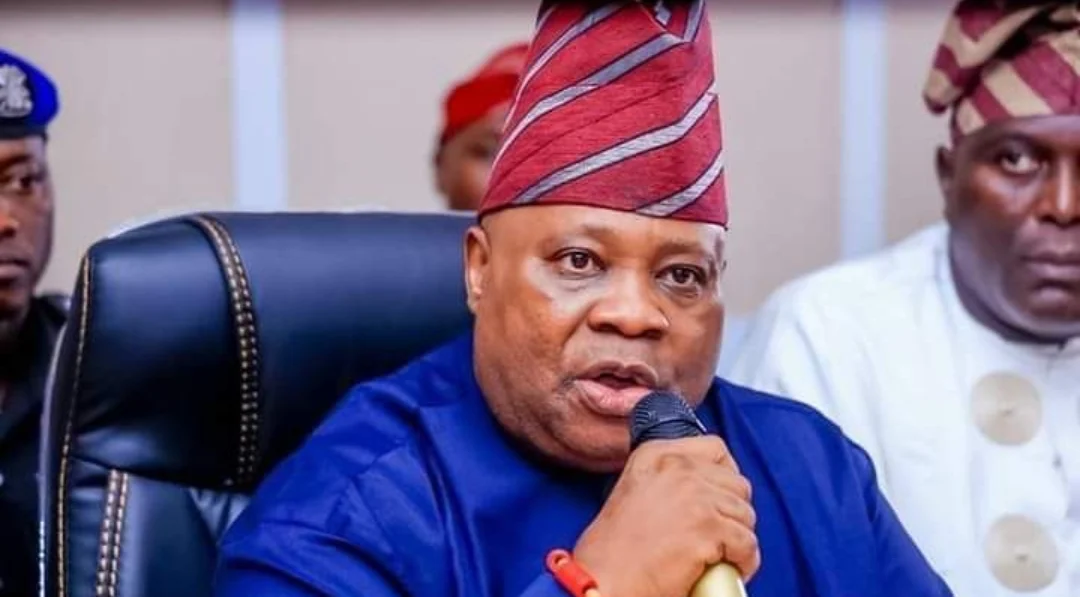
The Imole Campaign Council, leading the re-election campaign of Osun State Governor Ademola Adeleke, has accused the Osun State Police Command of compiling a list of 46 opposition figures, including a serving commissioner, for arrest ahead of the August 15 governorship election.
Addressing journalists in Osogbo on Sunday, the council’s Deputy Director-General, Kolapo Alimi, alleged that the planned arrests were part of a coordinated effort to weaken the opposition before the poll. He claimed that most of those allegedly marked for arrest are residents of Ikire, the headquarters of Irewole Local Government Area.
Alimi, who also serves as the Osun State Commissioner for Information and Public Enlightenment, alleged that the Commissioner for Energy, Ademola Adeyemo, tops the list of those targeted for arrest.
He further claimed that an Accord Party chieftain in Ikire, Taofeek Akinyemi, was arrested and detained by security operatives without justification after he reportedly survived an attack by hoodlums and reported the incident to the police.
The campaign council also accused a yet-to-be-identified operative of the Nigeria Security and Civil Defence Corps (NSCDC) of allegedly collaborating with members of the opposition to orchestrate the mass arrest of Accord Party members in Ikire in a bid to disrupt the party’s campaign activities in the area.
According to Alimi, intelligence available to the campaign council indicated that political opponents, working with compromised security operatives, had drawn up what he described as a “hit list” of opposition leaders for arbitrary arrest before the election.
He alleged that 46 individuals had been marked for harassment, unlawful arrest and possible transfer to Abuja to prevent them from participating in election activities.
Among those he listed were the Commissioner for Energy, Ademola Adeyemo; Idris Idowu Jooda; Pastor Paul Akinola; Mukaila Yusuf; Dr Kazeem Atoba; Yesiru Olaniyi; Alhaji Olokeola; Wale Olunloye; Taye Adeyemo; Moshood Jolaiya; Lere Ogungbade; Kola Akinpelu; Tiri Adepoju; Pastor Femi Oladiran, and several others.
The campaign council demanded the immediate release of Taofeek Akinyemi or his arraignment before a competent court if there was evidence against him.
It also called on the Inspector-General of Police, Olatunji Disu, to direct the Osun State Police Command, the State Criminal Investigation Department (SCID), and special police squads deployed from Abuja to halt what it described as the arbitrary arrest and harassment of opposition leaders.
The council further urged the Force Headquarters to review the deployment of security personnel in Osun ahead of the governorship election, insisting that only professional, impartial and credible officers should be assigned election duties.
Responding to the allegations, the Osun State Police Command dismissed the claims, insisting that it had not compiled any list of politicians or party members for arrest.
The Police Public Relations Officer, Abiodun Ojelabi, said ongoing security operations across the state were targeted solely at criminal elements and not directed at any political party or individual.
According to him, police operatives have continued to raid identified black spots and criminal hideouts across the state as part of efforts to ensure a peaceful atmosphere before the governorship election.
Ojelabi stressed that the command operates based on intelligence and existing criminal records, not political considerations.
He also advised parents to caution their children against late-night movements and associating with individuals with criminal records, warning that such associations could expose them to criminal investigations.
The police spokesperson noted that although the state government had proposed the establishment of a joint security task force to support election security, the initiative had yet to be implemented.
He expressed hope that the task force would soon become operational, adding that it would help involve multiple security agencies in maintaining law and order rather than leaving the responsibility solely to the police.


Happy
0 %

Sad
0 %

Excited
0 %

Sleepy
0 %

Angry
0 %

Surprise
0 %
 0
0
 0
0