
REPS SUMMON NAVY, POLICE OTHERS OVER RECOVERED ASSETS
Read Time:4 Minute, 0 Second
HOTJIST NEWS
The House of Representatives has asked the Nigerian Navy, Nigeria Police Force, Nigeria Customs Service, Nigeria Immigration Service, and the Nigerian Midstream and Downstream Petroleum Regulatory Authority to come to a sub–committee meeting on November 2, 2026.This is part of an investigation into how assets that were seized, forfeited, or recovered are managed.
The goal of this process is to make a full list of all the recovered assets, create a single digital record, and deal with worries about transparency, accountability, and how well different government agencies work together when handling these assets.
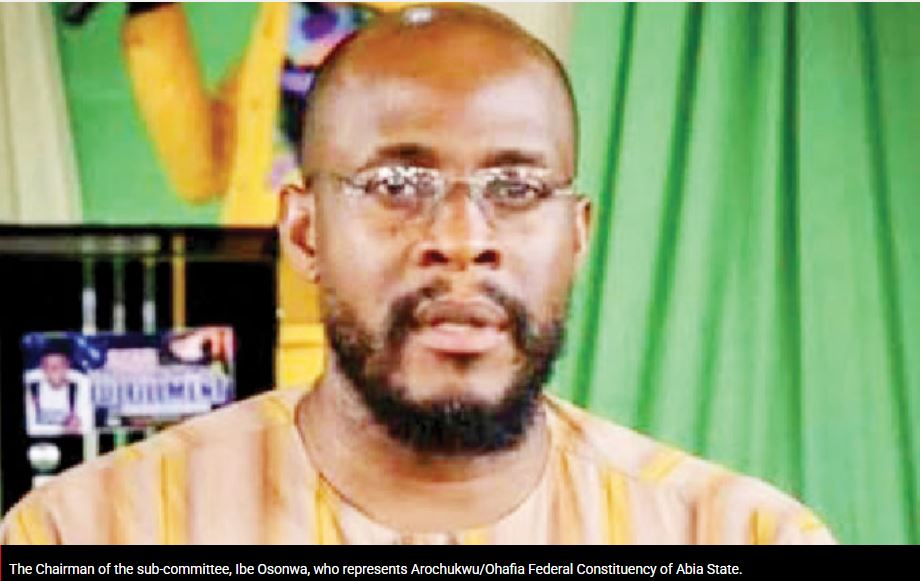
The head of the sub–committee, Ibe Osonwa, who represents the Arochukwu/Ohafia area in Abia State, shared the date during the committee‘s first meeting in Abuja.
He explained that this investigation is very important for the country because there have been ongoing concerns about how these assets are recorded, managed, and eventually handled through legal actions and other official processes.
“Across various administrations, questions have persisted regarding transparency, coordination, and the integrity of processes governing assets seized or forfeited through anti-corruption efforts, criminal justice actions, and administrative enforcement,” Osonwa said.
He noted that the concerns went beyond administrative procedures, warning that weaknesses in asset management could undermine public confidence in government institutions and the country’s anti-corruption efforts.
“These concerns are not merely technical—they strike at the heart of public trust, institutional credibility, and the effectiveness of Nigeria’s anti-corruption architecture,” he added.
Osonwa said the sub-committee had been mandated to conduct a comprehensive audit of assets held, controlled or managed by relevant government institutions to establish an accurate and verifiable record of their status, ownership, custody and utilisation.
He explained that the exercise would help determine the location and condition of recovered properties, clarify which agencies were responsible for them and establish whether existing records adequately accounted for their management and eventual disposition.
The proposed unified digital registry, he said, would provide a centralised database of recovered assets, improve information-sharing among government institutions and address discrepancies arising from fragmented record-keeping.
The registry would also make it easier to track assets from seizure or forfeiture through custody, management and eventual disposal, transfer or restitution.
The chairman said the sub-committee would review existing accountability mechanisms and recommend reforms to bring asset management practices in line with relevant laws and international best practices.
“The sub-committee has the opportunity to recommend reforms that will close long-standing loopholes, modernise asset management systems, and reinforce Nigeria’s commitment to transparency and responsible stewardship,” he said.
He stressed that the objective was to ensure that assets recovered through lawful processes were properly accounted for and managed in the public interest.
“Our work can help ensure that recovered assets truly serve the public interest—whether through restitution, reinvestment, or national development priorities,” Osonwa added.
The November 2 appearance is expected to enable the five agencies to provide information on their involvement in the seizure, recovery, custody and management of assets, as well as the procedures they use to document and account for such properties.
The date was fixed following a motion moved by Omosede Igbinedion and supported by other members of the sub-committee.
“Motion has been moved, and motion has been supported, so we expect all these agencies: Nigerian Navy, Nigeria Customs Service, the Nigeria Immigration Service, the Nigeria Police and NMDPRA, and see them here on the 2nd of November,” Osonwa said.
The investigation comes amid longstanding concerns about the accountability of assets recovered through anti-corruption investigations, criminal proceedings and enforcement operations. Such assets may include cash, landed property, vehicles, petroleum products, vessels and other items seized or forfeited under applicable laws.
Their recovery alone does not guarantee that the proceeds will ultimately benefit the public. Proper documentation, secure custody, transparent disposal procedures and clear records of how recovered assets are utilised are essential to preventing their loss, misuse or unauthorised transfer.
Asset recovery and management responsibilities are also spread across several institutions, depending on the nature of the assets and the legal process through which they were seized or forfeited. This makes coordination and accurate record-keeping important to ensuring that recovered properties are not overlooked, duplicated in official records or left unaccounted for.
Osonwa urged members of the sub-committee to approach the assignment with diligence, objectivity and a strong sense of national responsibility.
He expressed confidence that the committee’s work, alongside the cooperation of relevant government institutions, would produce practical recommendations to improve inter-agency coordination, strengthen oversight and ensure that recovered assets are managed transparently and responsibly.
The findings are expected to inform recommendations on improving the country’s asset management framework and ensuring that properties recovered through lawful processes are put to appropriate use in accordance with the law.


Happy
0 %

Sad
0 %

Excited
0 %

Sleepy
0 %

Angry
0 %

Surprise
0 %
 0
 0