
REPORT: AFRICA COULD FACE 86 MILLION TONNE FUEL SHORTFALL BY 2040
Read Time:1 Minute, 59 Second
AGENCY REPORT
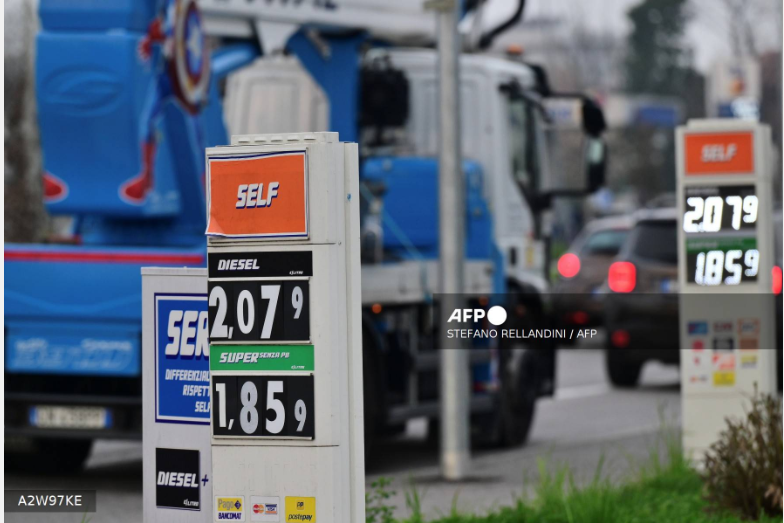
The Africa Finance Corporation said on Thursday that the Iran war has highlighted Africa’s vulnerability to global fuel supply disruptions, warning that the continent could face an 86 million-tonne fuel shortfall by 2040.
In a report released in Nairobi, the AFC noted that Africa currently imports more than 70% of its refined fuel, along with about $230 billion worth of essential goods such as fuel, food, plastics, steel, and fertiliser annually.
The report added that dependence on fuel imports is projected to rise from 74 million tonnes in 2023 to 86 million tonnes by 2040, according to the pan-African financial institution.
It further explained that the shortfall is equivalent to nearly three of the large refineries operated by Nigeria’s Dangote Group, the biggest refining complex in Africa.
The Africa Finance Corporation’s chief economist, Rita Babihuga-Nsanze, said at the launch of the report that Africa is not only dependent on fuel imports but also exposed to global shipping chokepoints, particularly in the eastern region of the continent. She noted that the Strait of Hormuz has become widely recognised this year, but stressed that it is not the only vulnerable route.
The Strait of Hormuz, through which about one-fifth of global fuel trade passes, has been effectively disrupted by the ongoing war in the Middle East, creating severe supply pressures for import-reliant countries in East Africa.
She added that the region is also experiencing fertiliser shortages linked to the conflict, as a significant portion of global fertiliser supply comes from Gulf countries.
“Fertilisers are another vulnerability exposed by the current crisis,” Babihuga-Nsanze told attendees at the event.
She described the situation as “strange,” noting that Africa holds about 80% of the world’s phosphate reserves—a key ingredient in fertiliser production—yet accounts for only around 20% of global output.
According to her, this presents a major opportunity for the continent to fill a critical global supply gap.
The report stated that addressing Africa’s energy challenges will require the development of new infrastructure hubs, as well as improved efficiency of existing energy assets.
Babihuga-Nsanze also pointed to examples such as Zambian hydropower dams that were not built to withstand current drought conditions, and about two gigawatts of hydropower capacity in Angola that remains unused due to a lack of connection to the regional power grid.
AFP


Happy
0 %

Sad
0 %

Excited
0 %

Sleepy
0 %

Angry
0 %

Surprise
0 %
 0
0
 0
0