
LAGOS STRENGTHENING HEALTHCARE SYSTEM AGAINST FUTURE PANDEMICS – HEALTH COMMISSIONER
Read Time:2 Minute, 36 Second
By: Fasasi Hammad
The Lagos State Government has reaffirmed its commitment to strengthening the healthcare sector through strategic reforms, infrastructure upgrades, and increased investment in human capital development.
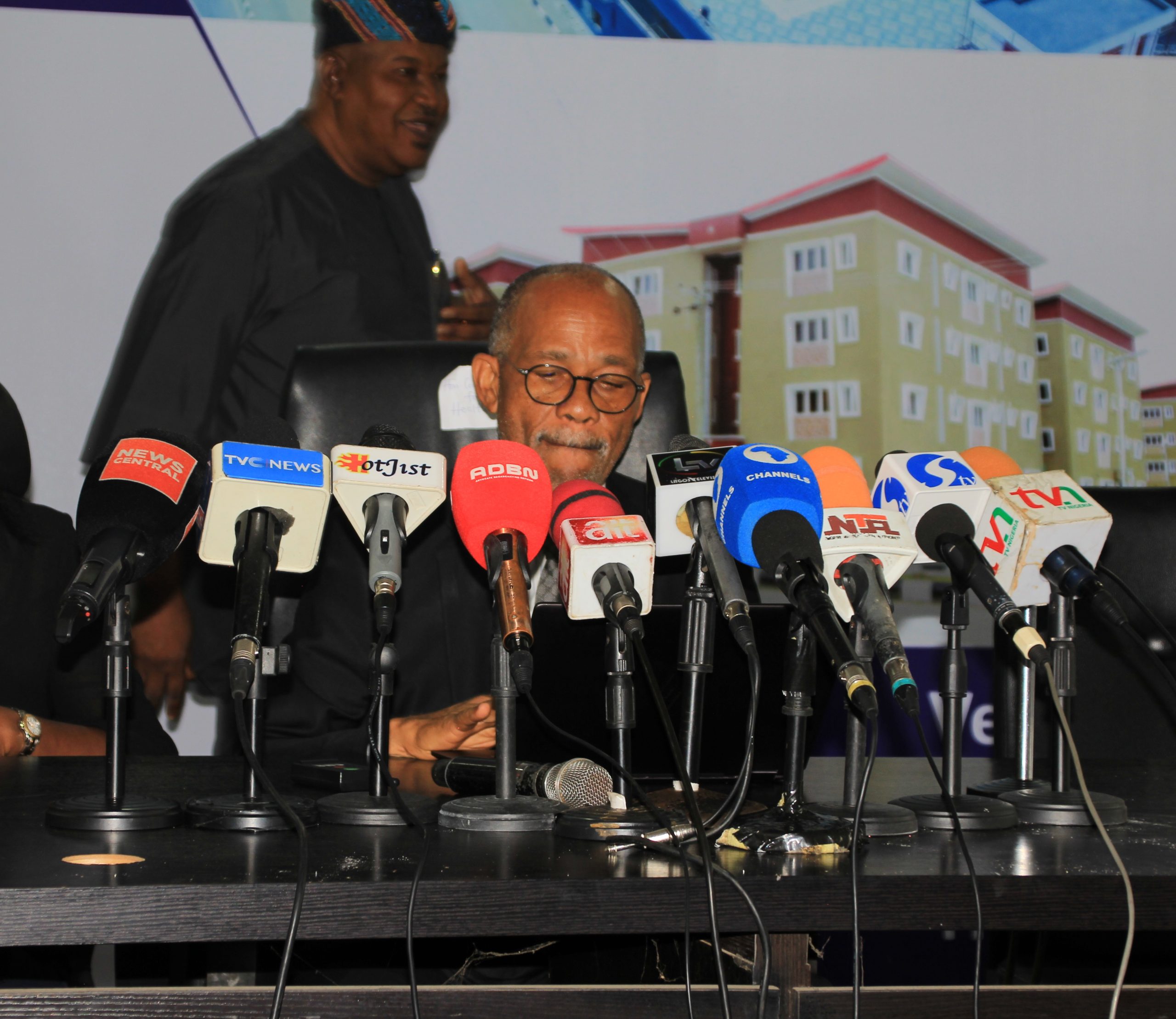
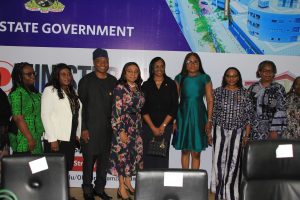
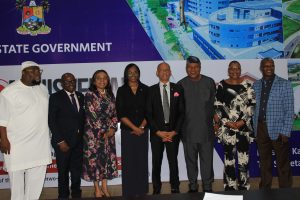
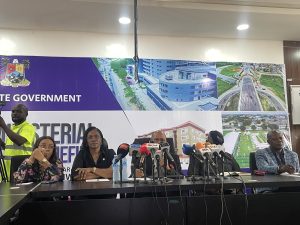
Speaking on Tuesday, during the Ministerial Press Briefing held in Alausa, Ikeja, the Lagos State Commissioner for Health, Professor Akin Abayomi, highlighted the achievements and future plans of the state government in transforming healthcare delivery across Lagos.
Prof. Abayomi stated that the Lagos State Ministry of Health remains the largest ministry in the state government, with over 12,000 personnel and 10 Permanent Secretaries working to ensure quality healthcare services for residents.
He noted that several Primary Healthcare Centres had been upgraded, while new facilities had also been established across local governments to improve access to healthcare.
According to him, Lagos is strategically preparing for future health and population challenges as the state continues to grow rapidly.
“We are not just addressing current issues, but it is our job to anticipate and look into the future,” he said.
The Commissioner explained that Lagos is positioning itself as the model megacity for healthcare delivery in sub-Saharan Africa, especially as the state’s population is projected to hit 35 million within the next few years.
He added that the Ministry is proactively preparing for possible pandemics, flooding, climate-related emergencies, and other public health threats.
“We survived Ebola, we survived EndSARS, and we survived COVID. We are making sure that the health sector is robust enough to manage anything that comes our way,” Prof. Abayomi stated.
He disclosed that the state currently operates 34 secondary and tertiary healthcare facilities alongside more than 325 Primary Healthcare Centres, while over 3,500 registered private hospitals also contribute to healthcare delivery in Lagos.
He stressed that the government’s responsibility extends across both public and private healthcare systems.
“We are not just the Ministry of Health for the public sector; we are the Ministry of Health for Lagosians. Wherever Lagosians seek their healthcare is our business,” he said.
Prof. Abayomi also referenced the Lagos State Development Plan 2052, which aims to achieve universal healthcare through mandatory health insurance and reduce outbound medical tourism by providing world-class healthcare services within the state.
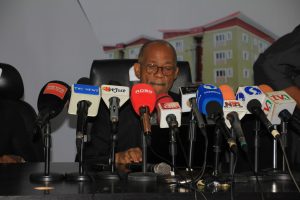
“We do not want Lagosians leaving Lagos to obtain healthcare abroad. We want to provide every kind of speciality and subspeciality right here in Lagos,” he said.
Addressing the issue of brain drain in the health sector, the Commissioner acknowledged the global shortage of healthcare professionals but noted that Lagos State is improving working conditions, welfare packages, and accommodation for health workers to attract and retain talent.
“The grass in Lagos is getting greener, and we are beginning to see doctors returning,” Abayomi added.
He further announced that Governor Babajide Sanwo-Olu has approved the establishment of a stand-alone University of Medicine and Health Sciences in collaboration with the Ministry of Education to boost the training of doctors and healthcare professionals in the state.
Prof. Abayomi assured Lagos residents that the government remains committed to building a resilient and efficient healthcare system capable of meeting both present and future health needs.


Happy
0 %

Sad
0 %

Excited
0 %

Sleepy
0 %

Angry
0 %

Surprise
0 %
 0
0
 0
0