
AUSTRALIA TO ISOLATE SIX INDIVIDUALS AFTER HANTAVIRUS DETECTED ON SHIP
Read Time:1 Minute, 46 Second
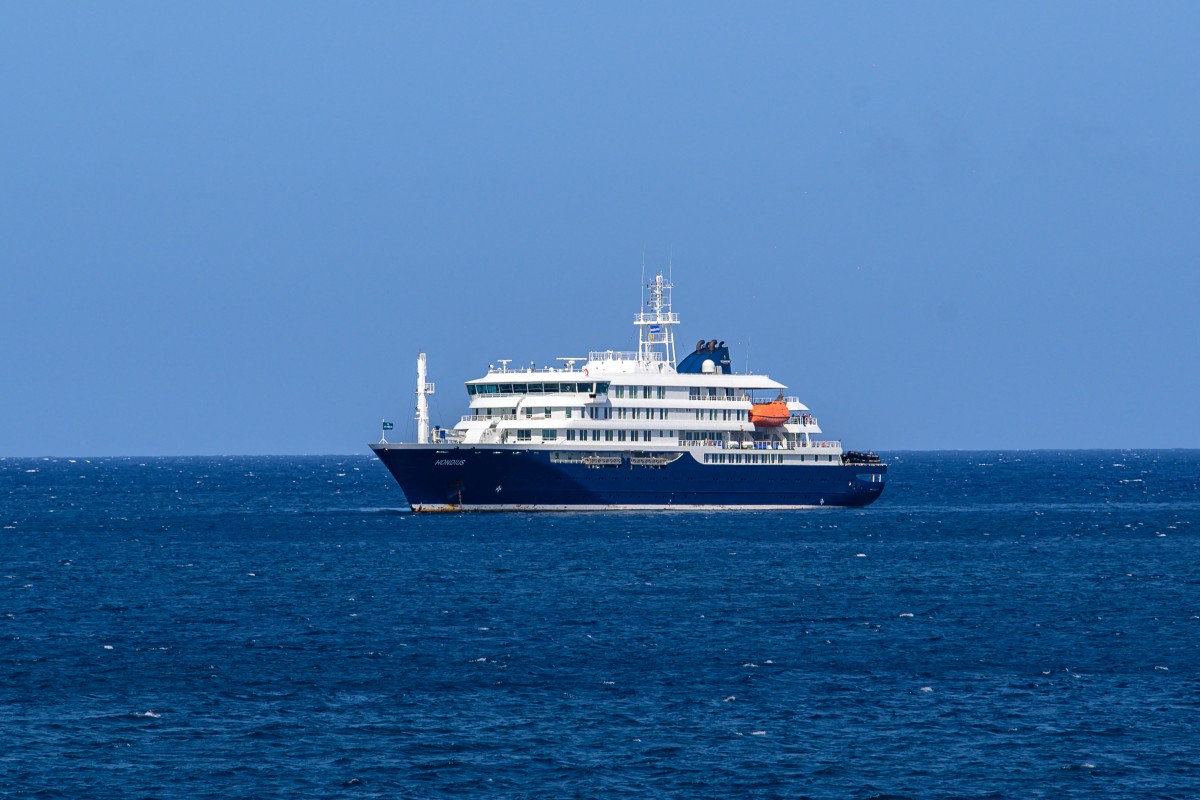
The outbreak occurred on the MV Hondius, travelling from Ushuaia in Argentina to Cape Verde. The patient being treated in Johannesburg tested positive for a hantavirus, a family of viruses that can cause hemorrhagic fever, South African spokesperson Foster Mohale said. (Photo by AFP)
Australia will place six people from a cruise ship struck with the rat-borne hantavirus in a purpose-built quarantine facility north of Perth for at least three weeks, the government said Monday.
The passengers four Australian citizens, one permanent resident in Australia and a New Zealander are to be kept at Western Australia’s 500-bed Bullsbrook centre, originally built for the Covid-19 pandemic.
Repatriation flights from Tenerife in Spain’s Canary Islands are still being finalised in a “complex” operation, Health Minister Mark Butler told a news conference.
Australia will list the hantavirus disease under the country’s biosecurity legislation, enabling the government to make an order placing the passengers in quarantine, he said.
The six passengers none of whom have shown hantavirus symptoms will land at an airforce base by the quarantine facility, the minister said.
“Those six people will be transferred immediately to that quarantine facility directly next door to the RAAF base,” Butler said.
Butler said the incubation period for the virus was 42 days, and arrangements after the initial three weeks’ quarantine had yet to be decided.
Some other countries were only quarantining people from the ship for a few days before telling them to isolate at home, the minister said.
But Australia was implementing a “stronger response” because the long flight from Tenerife in a relatively small plane posed a greater risk of transmission.
AFP


Happy
0 %

Sad
0 %

Excited
0 %

Sleepy
0 %

Angry
0 %

Surprise
0 %
 0
0
 0
0