
TRUMP SAYS IRAN STRIKE PAUSED AS GULF STATES PUSH FOR NEGOTIATIONS
Read Time:1 Minute, 43 Second
Agency Report
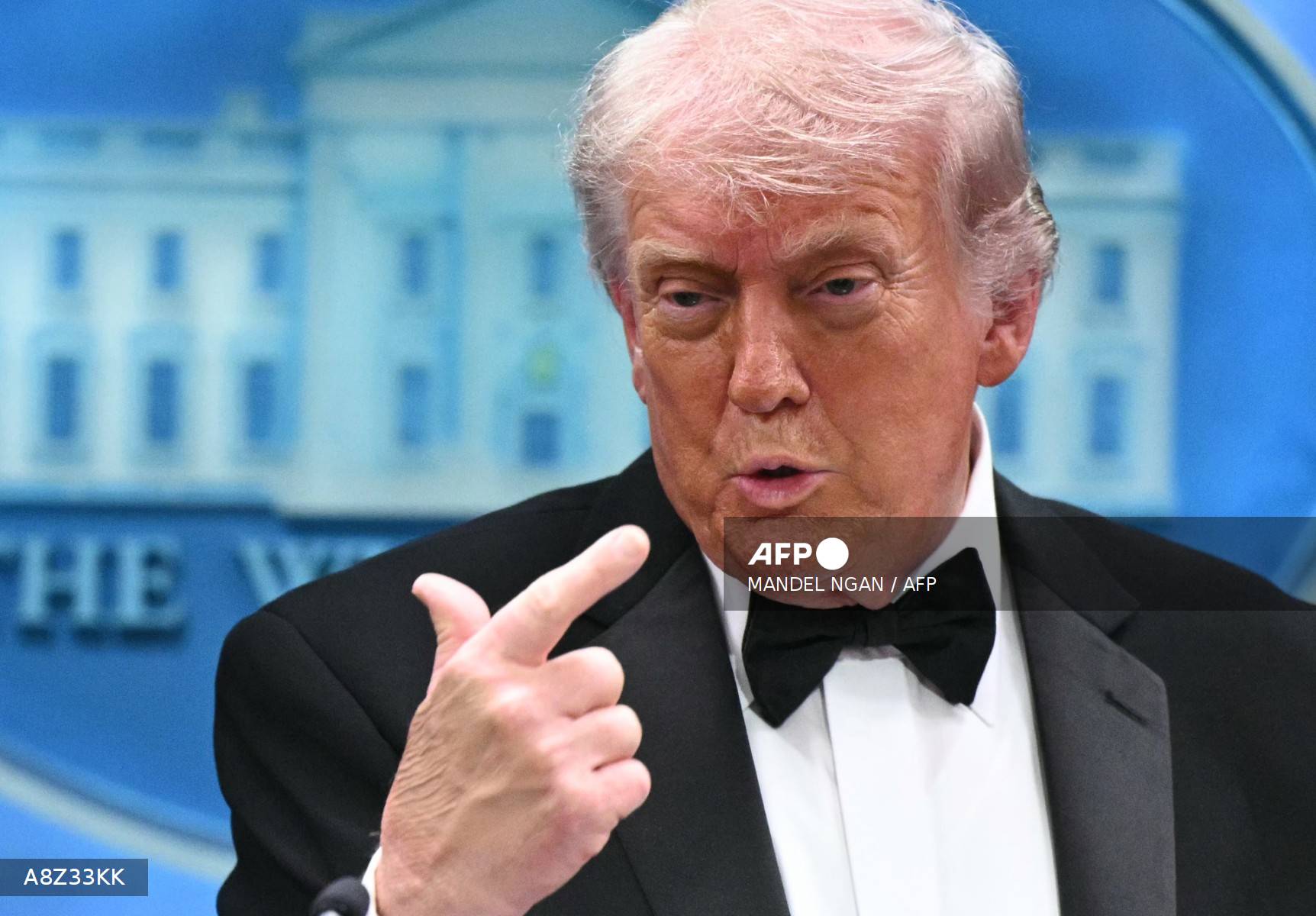
US President Donald Trump has said he has halted imminent plans to resume military strikes on Iran, citing intervention from Gulf Arab allies amid ongoing efforts to de-escalate tensions in the region.
In a post on his Truth Social platform on Monday, Trump said Qatar, Saudi Arabia, and the United Arab Emirates urged him to suspend a planned attack scheduled for Tuesday, saying “serious negotiations are now taking place.”
He added that the allies expressed confidence that a deal could still be reached, one that would ensure “NO NUCLEAR WEAPONS FOR IRAN.”
However, Trump warned that the United States military had been instructed to remain on standby for a “full, large scale assault” should diplomatic efforts fail.
The US president also reiterated his demand that any agreement must prevent Iran from acquiring nuclear weapons, while stressing that Washington remains prepared to act “on a moment’s notice” if talks collapse.
Iran, meanwhile, has continued to reject Washington’s proposals, insisting on the release of frozen assets abroad, the lifting of sanctions, and compensation for damages linked to the conflict. Iranian officials also maintain that any dialogue must respect the country’s sovereignty and rights.
Foreign ministry spokesman Esmaeil Baqaei said discussions were ongoing through intermediaries, including Pakistan, while warning that Tehran remained “fully prepared for any eventuality.”
Iranian President Masoud Pezeshkian said engagement with Washington should not be interpreted as surrender, stressing that Iran would not compromise on its national interests.
Reports also indicate that Iran has proposed managing the strategic Strait of Hormuz under a new authority, requiring coordination for navigation within the waterway. The move has raised concerns over global energy security, given the strait’s importance to international oil transport.
Tensions have further escalated following reported Iranian military actions targeting groups linked to the United States and Israel in western Iran, as well as continued regional instability involving drone activity near critical infrastructure in the Gulf.
Despite the heightened rhetoric, diplomatic channels remain open as Gulf states push for renewed negotiations to prevent further escalation in the Middle East.


Happy
0 %

Sad
0 %

Excited
0 %

Sleepy
0 %

Angry
0 %

Surprise
0 %
 0
0
 0
0