
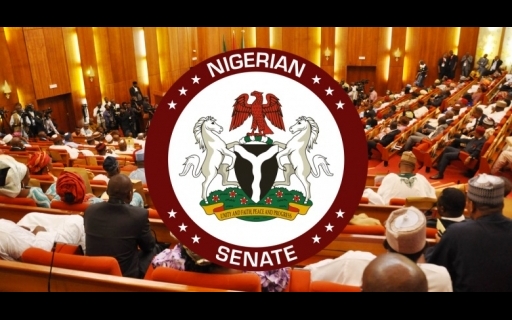
SETBACK FOR ELECTORAL REFORMS AS SENATE FAILS TO AGREE ON AMENDMENT
Read Time:1 Minute, 7 Second
The initiative to revise Nigeria’s Electoral Act in preparation for the 2027 general elections experienced a hindrance on Tuesday when the Senate was unable to advance the suggested modifications during their session.
Legislators expressed conflicting opinions on crucial elements of the amendment bill, particularly those concerning the contentious Section 84(12), which prohibits political appointees from serving as delegates or being eligible for votes in party primaries. The proposed revision, championed by the Senate Committee on Electoral Matters, aimed to reexamine various components of the 2022 Electoral Act to enhance the administration of forthcoming elections.
Throughout the intense discussion, numerous senators articulated apprehensions that changing the legislation a mere two years prior to the upcoming general elections might generate disorder for political parties and the Independent National Electoral Commission (INEC). Others contended that the current provisions had yet to be thoroughly examined and should be permitted to govern at least one additional election cycle.
This situation effectively halts the amendment process, given that the bill could not advance to the subsequent phase. This setback indicates that the National Assembly may need to revisit the proposals at a later point following more extensive discussions with relevant stakeholders.
As the 2027 elections approach, the Senate’s stance introduces uncertainty regarding the implementation of new electoral reforms before Nigerians return to the polls.


Happy
0 %

Sad
0 %

Excited
0 %

Sleepy
0 %

Angry
0 %

Surprise
0 %
 0
0
 0
0