
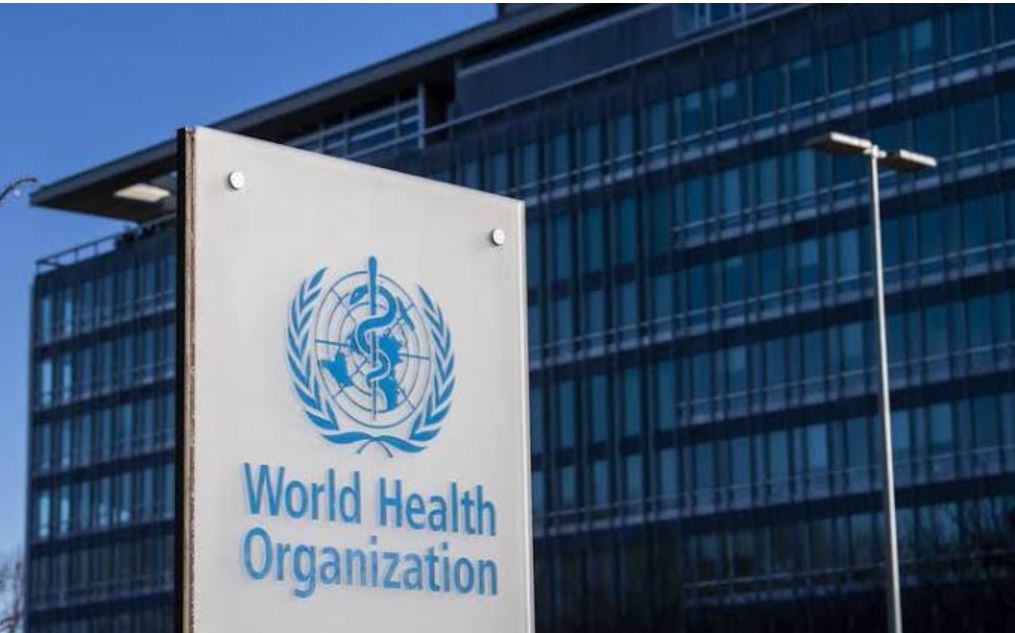
WORLD AIDS DAY 2025: WHO WARNS OF RISING OF INFECTIONS
Read Time:2 Minute, 0 Second
The World Health Organisation, WHO, has warned that the global fight against AIDS is now in a risky stage. Because of less money, broken healthcare services, and ongoing prejudice, the progress made over many years could be lost
The warning was given on Monday during the World AIDS Day 2025 event, which had the theme “Overcoming disruption, transforming the AIDS response.”
At a regional event in Cairo, the World Health Organization said the world is facing a sharp increase in new HIV cases, along with governments and donors not keeping their promises.
Globally, about 40.8 million people are living with HIV.
In the Eastern Mediterranean Region alone, 610,000 people have HIV, and new infections have nearly doubled in less than ten years — from 37,000 in 2016 to 72,000 in 2024.
Even though there has been an increase, fewer than four out of ten people with HIV in the region know their status, and less than a third are getting treatment.
The organization noted that national HIV programs continue to rely heavily on shrinking external donor funds, while domestic investment remains “woefully inadequate.”
In addition, stigma, discrimination, harsh laws, and a lack of local services keep preventing people from getting tested, treated, and staying healthy.
The World Health Organization said, “If we don’t act quickly, there will be more new HIV cases and more deaths.
Health systems will be under even more pressure, and we will miss the goal of ending AIDS by 2030.”
The organization urged countries to greatly increase their support, funding, and use of new ideas.
It asked governments to better include HIV services in their national health systems, grow prevention and harm–reduction programs, involve communities more, and use new technologies to make care easier to get.
Dr. Hanan Balkhy, the WHO Regional Director for the Eastern Mediterranean, directly asked governments to take action.
“Today, I call on all governments to raise public awareness, increase domestic funding, integrate HIV into broader health services, adopt innovative approaches and strengthen prevention through digital health and AI,”
Balkhy said. “WHO will stand with our countries and communities to build a stronger, fairer AIDS response for everyone, everywhere in our Region.”
World AIDS Day 2025 marks yet another reminder that the battle against HIV is far from over and that renewed political will, investment and community leadership remain essential to ending AIDS as a public health threat.


Happy
0 %

Sad
0 %

Excited
0 %

Sleepy
0 %

Angry
0 %

Surprise
0 %
 0
0
 0
0