
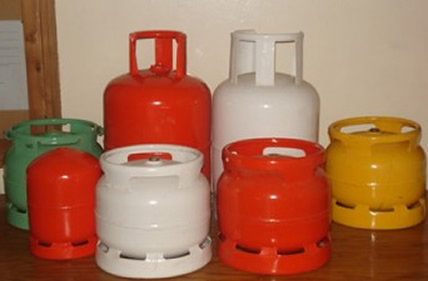
COOKING GAS PRICE HITS N2,400/KG, DEEPENING PRESSURE ON HOUSEHOLDS
Read Time:3 Minute, 12 Second
By: Muftau Fatimo
Nigerians across major cities are grappling with rising Liquefied Petroleum Gas (LPG) prices, with cooking gas now selling for as much as N2,400 per kilogramme at some retail outlets.
The latest increase has added to the financial burden on households already struggling with high food prices and rising living expenses, forcing some families to turn to alternative fuel sources such as firewood and charcoal.
A Media survey found that while some filling stations dispensed cooking gas at prices ranging between N1,650 and N1,900 per kilogramme, neighbourhood retailers and informal vendors sold the product at significantly higher rates, with prices reaching N2,400 per kilogramme in certain locations.
A housewife in Ibadan, Mrs Deborah Akintola, expressed frustration over the relentless hikes.
Last week, I bought gas at Iyana Church Gasland at N1,600 per kilogramme. Now I hear it is N1,900 and even over N2,000 in some shops. In May, it was N1,000. This increase is just too much. Everything, including foodstuffs, is expensive,” she said.
At Bovas Filling Station in the Gbagi area of Ibadan, cooking gas was sold at N1,650 per kilogramme on Thursday.
A mother of two, Mary Dada, lamented the frequent fluctuations.
“I don’t understand why the price keeps going up. Every month, there is one increase or another. It’s just annoying,” she said.
In Lagos, residents shared similar complaints. Ibrahim Ozigis, who bought gas at Enyo Filling Station, Iju-Ishaga, said he paid N1,650 per kg this month compared to N1,100 in May.
Desire Billy, a resident of Isheri-Osun, said the rising cost was forcing many households to change their cooking habits.
“It has got to a point where you buy gas and cannot use it to cook beans. Last week, I bought it at N1,500 at AP Filling Station, whereas in February I bought it for N1,200. It keeps increasing,” she lamented.
In Ilorin, Kwara State, some residents have switched to charcoal.
Kemisola Nitta said some dealers had even suspended sales due to unstable prices.
We have stopped using gas and opted for charcoal. I think it is cheaper,” she said.
Why prices remain high
Despite a significant increase in domestic production of LPG and reduced reliance on imports, prices have continued to climb.
Data from the Nigerian Midstream and Downstream Petroleum Regulatory Authority showed that local production from refineries and gas processing plants accounted for the bulk of supply between April 2025 and April 2026.
However, this has not translated into lower costs for consumers.
The Nigerian Association of Liquefied Petroleum Gas Marketers raised the alarm over erratic supply and rising costs, warning of possible scarcity.
In a statement signed by its National President, Edu Inyang, and Executive Secretary, Bassey Essien, the association said marketers now pay between N25.2 million and N26.2 million for 20 metric tonnes of the product.
“The citizens of Nigeria now have to buy cooking gas, which should be a social commodity, at a prohibitive cost of over N1,500 per kilogramme,” the association stated.
The National Association of Liquefied Petroleum Gas Marketers (NALPGAM) warned that the rising cost of cooking gas could spark public discontent and jeopardise years of government efforts aimed at promoting clean cooking energy through wider LPG adoption.
Speaking on the development, an Ibadan-based gas retailer, Opeyemi Olaire, blamed the soaring retail prices on transportation and operational expenses.
According to her, the cost of procuring and transporting the product leaves marketers with little choice but to sell at higher rates. She urged the government to intervene and implement measures to reduce the price of cooking gas.
The continued increase in LPG prices is further worsening the cost-of-living crisis, placing additional pressure on low-income households and small-scale businesses already struggling with rising expenses.


Happy
0 %

Sad
0 %

Excited
0 %

Sleepy
0 %

Angry
0 %

Surprise
0 %
 0
0
 0
0