
AGELESS REMEDIES, MODERN MEANING: HOW AYURVEDA REFLECTS THE HEART OF INDIAN TRADITION
Read Time:1 Minute, 52 Second
BY OWOLABI OLUWADARA
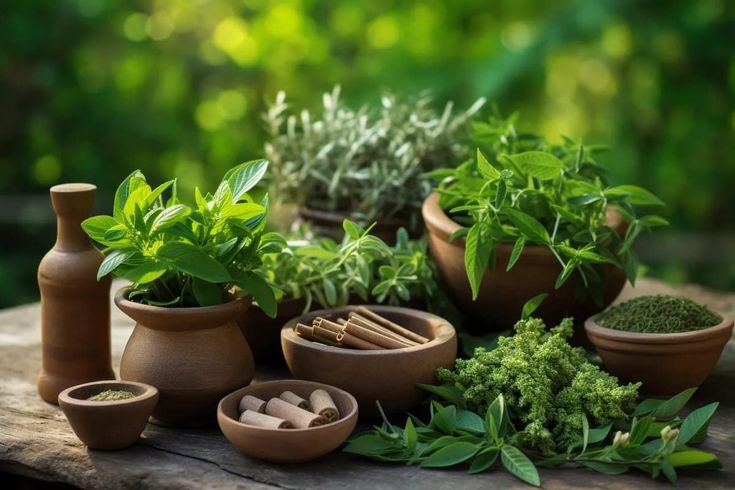
Long before modern pharmaceuticals and high-tech hospitals, Indians turned to the earth to roots, herbs, and ancestral wisdom. This ancient healing system, known as Ayurveda, is more than traditional medicine it’s a cultural legacy deeply embedded in the spiritual and social fabric of India’s tribal and rural communities.
Derived from Sanskrit, Ayurveda means “science of life.” This holistic health system, dating back over 5,000 years, began as a tribal practice passed down through generations. It was not learned in lecture halls, but in the forests observed in nature and practiced by tribal vaidyas (healers) across regions like Kerala, Rajasthan, Himachal Pradesh, and the tribal belts of Odisha and Chhattisgarh.
“Every plant has a purpose,” says Dr. Vinod Kumar, an Ayurvedic practitioner from Kerala. “Our ancestors learned by living with nature, watching animals, and understanding the elements. That’s the true origin of Ayurveda not from textbooks, but from the forests.” Tribes such as the Gonds of Central India and the Siddis of Karnataka still hold rich, ancestral knowledge of healing herbs and rituals, many of which modern science is only beginning to validate.
Ayurveda emphasizes balance between the mind, body, and spirit. It identifies three main body types, or doshas: Vata, Pitta, and Kapha. Treatments are personalized and involve a unique blend of diet, herbal remedies, meditation, and lifestyle adjustments. Unlike Western medicine that often targets symptoms, Ayurveda seeks to restore internal harmony.
Today, Ayurveda has gone global with wellness retreats in Goa, yoga centers in Rishikesh, and Ayurvedic skincare brands lining international shelves. Despite this commercialization, its roots remain tribal and spiritual. The Government of India even established the Ministry of AYUSH (Ayurveda, Yoga, Unani, Siddha, and Homeopathy) to safeguard these systems.
Ayurveda isn’t merely a health practice it’s a way of life. From turmeric in Indian cooking to neem twigs used for brushing teeth, its principles are subtly woven into everyday Indian culture. In a fast-paced, digital world, this ancient wisdom still offers something timeless a way of living in harmony with nature and oneself.
India’s tribal heritage, through Ayurveda, continues to echo across centuries, reminding the world that health is not just the absence of disease, but the presence of balance.


Happy
0 %

Sad
0 %

Excited
0 %

Sleepy
0 %

Angry
0 %

Surprise
0 %
 0
0
 0
0