
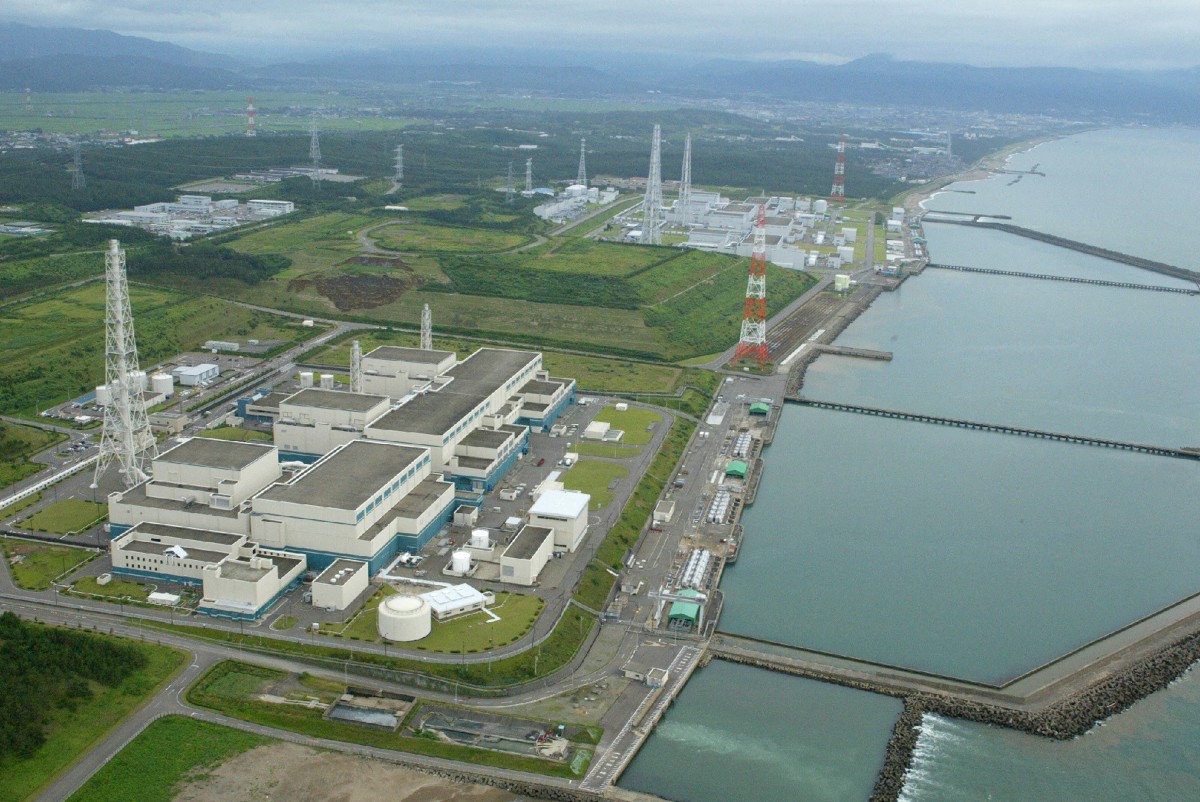
JAPAN TO RESTART WORLD’S LARGEST NUCLEAR PLANT AMID SAFETY CONCERNS
Read Time:4 Minute, 20 Second
Agency Report
Japan is set to restart the world’s largest nuclear power plant on Wednesday for the first time since the 2011 Fukushima disaster, despite persistent opposition and safety concerns from residents in the host community.
Tokyo Electric Power Company (TEPCO), operator of the Kashiwazaki-Kariwa Nuclear Power Plant in Niigata Prefecture, said preparations were underway to bring one of the facility’s seven reactors back online after receiving final regulatory approval.
“We are proceeding with preparations and plan to remove the control rods after 7:00 pm today and start up the reactor,” TEPCO said.
The restart follows approval granted last month by the Niigata State Governor, even as public opinion in the region remains sharply divided. A survey conducted in September showed that about 60 per cent of residents oppose the resumption, while 37 per cent support it.
On Tuesday, dozens of protesters, many of them elderly residents, demonstrated in freezing temperatures outside the plant, expressing fears over safety and evacuation readiness.
“It’s Tokyo’s electricity that is produced in Kashiwazaki, so why should the people here be put at risk? That makes no sense,” said 73-year-old resident Yumiko Abe.
Kashiwazaki-Kariwa, located along the Sea of Japan coast, is the world’s largest nuclear facility by potential capacity. Only one reactor is scheduled to restart in the initial phase.
The plant was shut down in 2011 after a powerful earthquake and tsunami triggered a nuclear meltdown at the Fukushima Daiichi plant, also operated by TEPCO. Japan subsequently suspended all nuclear power generation, but has gradually resumed operations under stricter safety regulations.
Resource-poor Japan is now pushing to revive nuclear energy to reduce dependence on fossil fuels, achieve carbon neutrality by 2050, and meet rising electricity demand driven by artificial intelligence and digital infrastructure. Prime Minister Sanae Takaichi has openly backed nuclear power as part of the country’s energy mix.
So far, 14 reactors across Japan have been approved for restart since the Fukushima disaster, with 13 currently in operation, mostly in western and southern regions. The Kashiwazaki-Kariwa unit marks the first TEPCO-operated reactor to resume operations since 2011.
However, opposition remains strong. Protesters argue that Fukushima has yet to be fully stabilised and that TEPCO’s safety record is questionable.
“Nearly 15 years after Fukushima, the situation is still not under control there, and TEPCO wants to restart another plant. That’s unacceptable,” said 81-year-old protester Keisuke Abe.
Although the facility has undergone extensive safety upgrades — including a 15-metre-high tsunami wall and reinforced emergency power systems — residents fear evacuation plans are inadequate and cite the plant’s location on an active seismic fault line.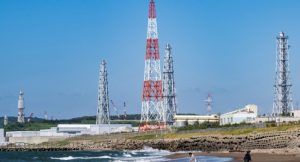
“I think it’s impossible to evacuate in an emergency,” said Chie Takakuwa, a 79-year-old resident of nearby Kariwa.
Earlier this month, seven anti-nuclear groups submitted a petition with nearly 40,000 signatures to TEPCO and Japan’s Nuclear Regulation Authority, warning of earthquake risks and recalling that the plant was hit by a powerful quake in 2007.
Japan’s nuclear industry has also faced renewed scrutiny following recent scandals, including data falsification by Chubu Electric Power to downplay seismic risks, and a reported alarm failure during a recent safety test at Kashiwazaki-Kariwa.
READ MORE…
TEPCO President Tomoaki Kobayakawa acknowledged the concerns, saying nuclear safety must be approached with humility and vigilance.
“Safety is an ongoing process, and operators must never be arrogant or overconfident,” he said.
Before the Fukushima disaster, nuclear power accounted for about one-third of Japan’s electricity supply. In 2023, nearly 70 per cent of the country’s power came from coal, gas, and oil — a figure the government plans to cut to 30–40 per cent over the next 15 years.
Under a new energy plan approved in February, nuclear power is expected to contribute about 20 per cent of Japan’s electricity by 2040, up from roughly 8.5 per cent in the 2023–24 fiscal year.
Meanwhile, Japan continues the complex and decades-long task of decommissioning the Fukushima Daiichi nuclear plant, underscoring the lasting legacy of the 2011 disaster.


Happy
0 %

Sad
0 %

Excited
0 %

Sleepy
0 %

Angry
0 %

Surprise
0 %
 0
0
 0
0