
UK MENINGITIS OUTBREAK CASES RISE TO 34
Read Time:2 Minute, 32 Second
By ‘Sefiu Ajape

The number of meningitis cases reported in a deadly outbreak linked to a nightclub in southeast England has risen from 29 to 34, including 23 confirmed cases, UK health officials announced on Saturday.
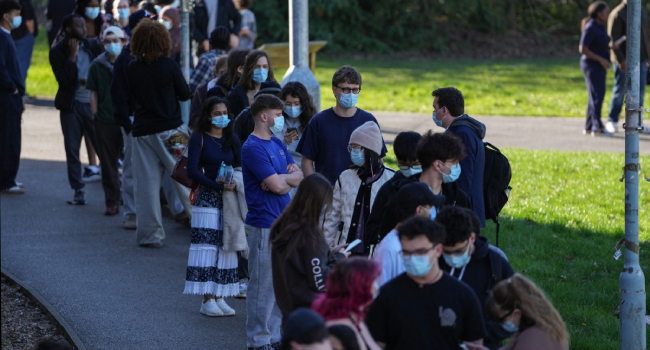
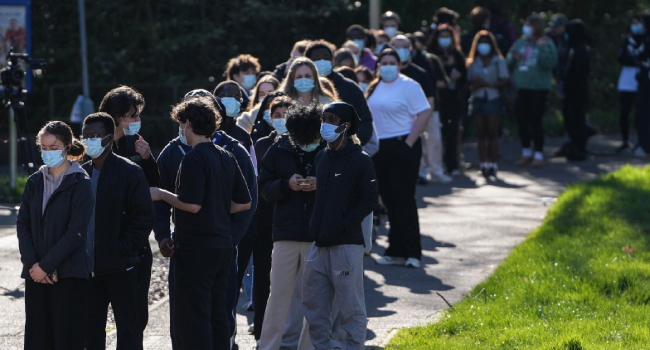
Hundreds of students queued for meningitis B vaccines at the University of Kent—where several of the cases were recorded—on Saturday morning, after some were turned away the previous day.

In total, more than 5,700 vaccines have been administered and over 11,000 antibiotics distributed in Kent, where the outbreak is centred, according to the UK Health Security Agency (UKHSA).
READ MORE:
NIDCOM BOSS MOURNS NIGERIAN MOTHER, TWO CHILDREN KILLED IN U.S ROAD ACCIDENT
Meningitis is a potentially deadly infection that can lead to sepsis if it affects the protective membranes surrounding the brain and spinal cord.
READ MORE:
Two people—a university student and a schoolgirl—have died in the outbreak, which began just over a week ago, while several other young people have been hospitalised.
The epicentre is believed to be a three-floor nightclub known as Club Chemistry, with authorities urging those who visited the venue between March 5 and 7 to come forward and receive medication.
“As of 12:30 p.m. on 20 March 2026, UKHSA has been notified of 23 confirmed and 11 probable cases of invasive meningococcal disease with epidemiological links to Canterbury, Kent,” the health agency said in a statement.


Happy
0 %

Sad
0 %

Excited
0 %

Sleepy
0 %

Angry
0 %

Surprise
0 %
 0
0
 0
0