
“DIGITAL OVERLOAD: HOW TOO MUCH SCREEN TIME AFFECTS HUMAN HEALTH
Read Time:2 Minute, 3 Second
BY OWOLABI OLUWADARA
In the fast-paced, interconnected environment of today, individuals aged 18 to 50 typically find themselves in front of screens for an average of 8 to 10 hours daily, engaging in activities related to work, learning, or entertainment. though productivity has greatly increased due to digital tools, health professionals are expressing worries.
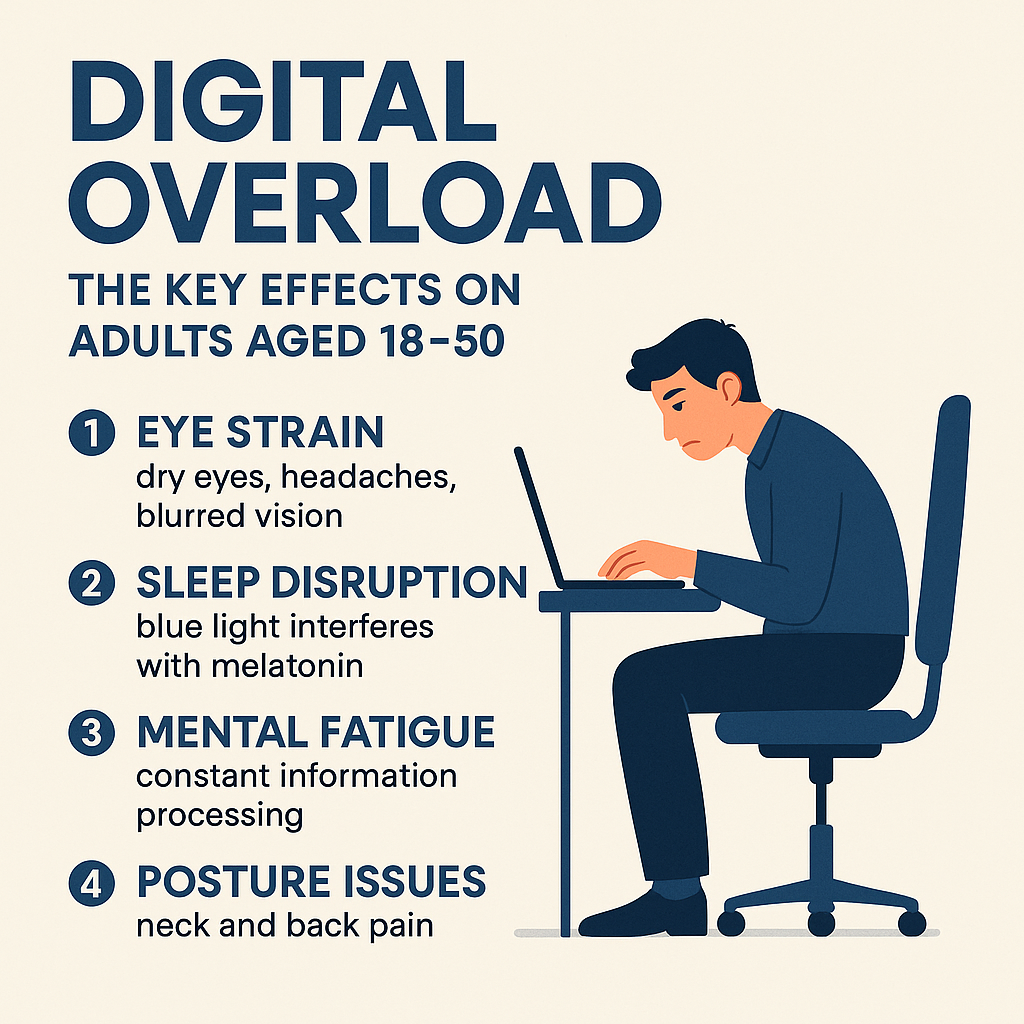
This contemporary issue has been associated with various quiet yet significant health problems, such as eye fatigue, interrupted sleep cycles, mental exhaustion, and complications related to posture.
Healthcare providers are observing an increase in Computer Vision Syndrome (CVS), which is caused by excessive use of screens. Common symptoms can consist of neck stiffness, headaches, blurry vision, and dry eyes. A lot of people, particularly students and working professionals, might confuse these initial warning signs with ordinary fatigue, which can lead to a delay in both diagnosis and treatment.
Experts in sleep are cautioning that using screens late at night, particularly on phones and laptops, disrupts our natural circadian rhythms. Screens emit blue light that inhibits melatonin, the hormone that controls sleep, leading to insomnia and reduced sleep quality, especially in young adults and middle-aged individuals.
READ ALSO:
SANWO-OLU CONGRATULATES LASU ALUMNAE FOR EMERGING BEST GRADUATING FEMALE STUDENT AT LAW SCHOOL
The effects go far beyond just physical signs. Experts in mental health have identified a link between lengthy periods spent in front of screens and heightened anxiety, greater mental fatigue, and diminished concentration. These impacts are especially noticeable among adults who are managing academic responsibilities, work-related stress, and interactions on digital social platforms.
Another increasing worry is related to postural problems. Physiotherapists highlight a common issue known as “techneck,” which arises from the repetitive strain linked to improper ensuring adequate lighting, modifying ergonomic setups, posture when utilizing electronic devices. if not dealt with, this tension can result in persistent pain in the back, shoulders, and neck, frequently surfacing during the key working years of adulthood.
Health professionals highlight that the aim is not to entirely remove screen time, but rather to foster healthier habits related to digital usage. Suggestions involve taking regular breaks from screens, and being mindful of screen time, especially among adults aged 18 to 50.
With screen time increasingly taking over our everyday routines, finding equilibrium has become crucial. Specialists recommend that people remain vigilant and take initiative by adopting straightforward measures to safeguard their mental and physical well-being in today’s digital world.


Happy
100 %

Sad
0 %

Excited
0 %

Sleepy
0 %

Angry
0 %

Surprise
0 %
 1
1
 0
0