
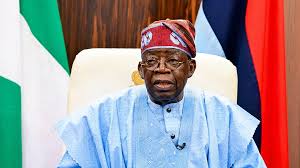
TINUBU URGED TO PROVIDE DETAILS ON OPERATORS OF NIGERIAN SUPERTANKER SEIZED BY US COAST GUARD
Read Time:1 Minute, 39 Second
By: Fasasi Hammad
The Independent Security Experts of Nigeria (ISEN) has called on President Bola Tinubu to immediately order an independent probe into the seizure of the Nigerian-owned supertanker Skipper by the United States Coast Guard and US Navy.
The vessel was intercepted in December 2025 over allegations of crude oil theft, piracy, and drug trafficking and was reportedly linked to Iranian and Islamist money-laundering networks.
The 20-year-old Very Large Crude Carrier (VLCC), IMO Number 9304667, is said to be owned and managed by Nigeria-based Thomarose Global Ventures Ltd and registered to Triton Navigation Corp in the Marshall Islands. At the time of its seizure, the tanker was flying the Guyanese flag illegally. Corporate Affairs Commission (CAC) records list Thomarose as inactive, with its address at 111 Jakpa Road, Effurun, Warri, Delta State, registration number 1007876, and no functional phone contacts.
READ MORE…
ARSENAL NARROWLY ESCAPE FA CUP UPSET, KEEP QUADRUPLE HOPES INTACT
In a statement on Saturday, ISEN urged the government to uncover the owners and operators of the vessel, as well as their accomplices, insisting that those responsible must be brought to justice swiftly.
ISEN Lead Expert, Dean John, condemned what he called the “brazen exploitation” of ordinary Nigerian company documents for international oil theft. He demanded the establishment of a high-powered panel with prosecutorial authority to investigate the matter fully.
“Every individual and entity connected to the ownership, management, and operations of the Skipper must be arrested and held accountable. Nigeria’s crude oil belongs to its people, not a cabal of untouchables,” the statement said, alleging that the vessel’s operators are also involved in identity theft.
The experts further claimed that the tanker has links to the federal pipeline surveillance contract, designed to prevent oil theft, and warned that inaction could embolden more criminal activity, worsen the national revenue crisis, and erode public trust in institutions tasked with protecting the country’s strategic resources.


Happy
0 %

Sad
0 %

Excited
0 %

Sleepy
0 %

Angry
0 %

Surprise
0 %
 0
0
 0
0