
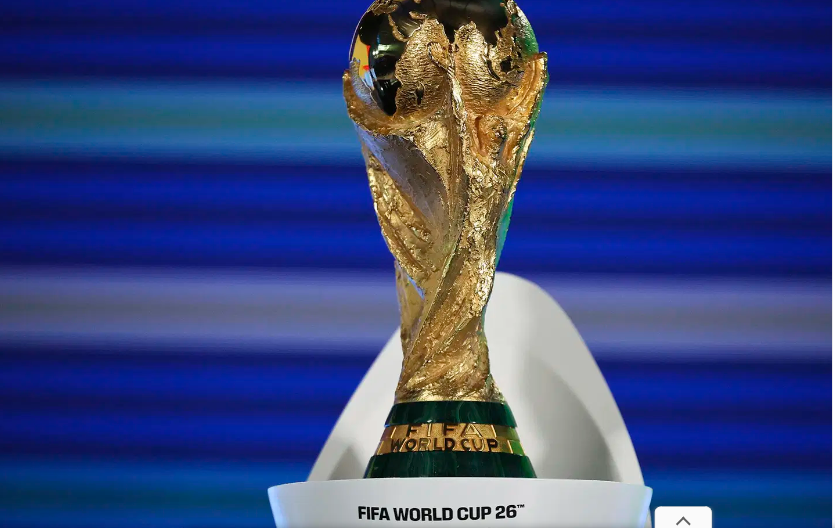
WORLD CUP FAN SONGS GO VIRAL AS AI MUSIC TREND SPARKS COPYRIGHT DEBATE
Read Time:2 Minute, 10 Second
By Aishat Momoh. O.
Football fans are increasingly using artificial intelligence to create and circulate viral songs supporting their teams ahead of next month’s World Cup tournament, with the trend exploding across platforms such as YouTube, TikTok and Instagram.
The fan-made anthems, many of which have racked up millions of views and streams, are generating debate among experts over song ownership, artist compensation, and the future value of human creativity in music.
The trend has reportedly gained momentum as users produce AI-assisted chants and tracks for national teams including France, Brazil, Portugal, Argentina and Germany, often featuring repeated player name chants and energetic electronic-style beats.
One of the earliest viral tracks, a French team anthem titled “Imbattables”, released in February by artist Crystalo—who describes himself on Spotify as France’s “premier AI musical creator”—helped popularise the format. The song features call-and-response sections listing star players such as Kylian Mbappé.
Similar tracks soon followed for other countries, including Brazil, where producer Guilherme Maia, known as M4IA, said he combined AI-assisted tools with his own production work to create a trending “phonk”-style anthem. The format was later replicated across multiple fan songs.
However, Maia raised concerns over originality, noting that while musical imitation has always existed, AI-driven replication now raises fresh questions about authorship and copyright. He emphasised that creators should not copy others’ work without permission, even when using AI tools.
Experts say the rise of generative music tools has complicated traditional music rights systems. Jason Palamara, a music technology lecturer at Indiana University, noted that it remains unclear how artists are credited when their work is used in training AI systems, adding that “it had to come from somewhere.”
He also pointed out inconsistencies in AI-generated music, including pronunciation errors and cultural mismatches in vocals, while noting that such tracks often lack the layered complexity of human-produced music.
Despite these concerns, industry analysts suggest the trend reflects changing listener preferences. Morgan Hayduk, co-CEO of music rights firm Beatdapp, said many fans are less concerned with artistic depth and more interested in catchy, shareable content tied to major sporting events.
“There seems to be a cohort of people who actually don’t care,” he said, noting that AI-generated fan songs may become a key tool for marketing and sports entertainment.
As excitement builds for the World Cup across the United States, Canada, and Mexico, experts say the growing popularity of AI-generated anthems could force the music industry to confront difficult questions about creativity, ownership, and compensation in the digital age.


Happy
0 %

Sad
0 %

Excited
0 %

Sleepy
0 %

Angry
0 %

Surprise
0 %
 0
0
 0
0