
HEATWAVES THREATEN DRUG POTENCY, PATIENT SAFETY, NAFDAC WARNS
Read Time:2 Minute, 58 Second
By Aishat Momoh. O.

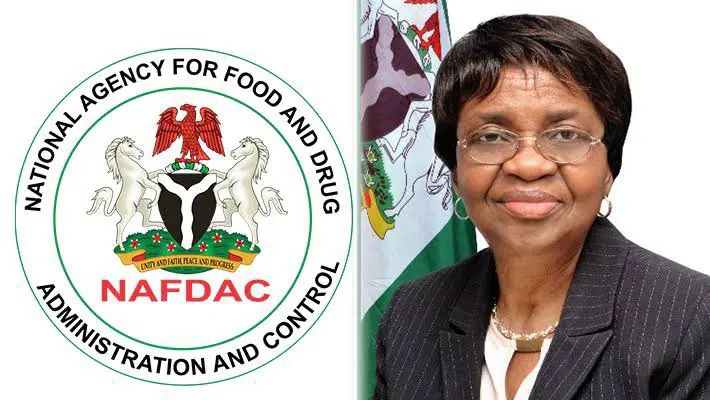
The Director-General of the National Agency for Food and Drug Administration and Control (NAFDAC), Prof. Mojisola Adeyeye, has raised concerns over the impact of climate change on the effectiveness of medicines, warning that rising temperatures are posing serious risks to drug potency and patient safety across Nigeria.
Adeyeye made the disclosure on Thursday during the third anniversary celebration of the Institute for Advanced Medical Research and Training (IAMRAT) at the College of Medicine, University of Ibadan, Oyo State.
The event, themed “Preserving Potency: Navigating Heat Stress in Medicine Distribution and Usage,” was organised in collaboration with NAFDAC.
Represented by NAFDAC’s Director of Laboratory Services (Drug), Inkem Ifudu, Adeyeye said the agency remains committed to protecting public health by ensuring that medicines retain their efficacy throughout the supply chain despite increasing environmental challenges.
She described heat stress as a “silent destroyer” capable of degrading essential medications and triggering unexpected treatment failures in healthcare facilities.
According to her, commonly used antibiotics such as amoxicillin capsules, paediatric suspension formulations, and amoxicillin-clavulanate combinations are highly vulnerable to heat exposure and can deteriorate rapidly when stored outside recommended conditions.
Adeyeye noted that the danger is even greater for temperature-sensitive cold-chain medicines such as oxytocin, a critical drug used during childbirth.
She warned that exposure to temperatures outside manufacturer-approved ranges can completely deactivate the biological components of such medicines, potentially leaving healthcare providers unknowingly administering ineffective treatments.
The NAFDAC boss stressed that proper storage conditions must be maintained from the point of manufacture to the final consumer, describing storage requirements as non-negotiable standards in pharmaceutical distribution.
To safeguard medicine quality, she said the agency has intensified post-market surveillance through its seven specialised laboratories nationwide, regularly testing drug samples collected from different distribution channels.
According to her, NAFDAC has continued to prosecute offenders, confiscate compromised products from open drug markets, and impose sanctions on distributors and companies found violating pharmaceutical standards.
She also urged Nigerians to avoid purchasing medicines from roadside vendors and unlicensed drug sellers, warning that prolonged exposure to heat and poor storage conditions can compromise drug quality and effectiveness.
Instead, she advised consumers to obtain medications from certified pharmacies equipped with temperature-control systems and to carefully follow storage instructions provided by manufacturers.
Also speaking at the event, the Oyo State Chairman of the Association of Community Pharmacists of Nigeria (ACPN), Adebayo Ogundamosi, highlighted the financial burden pharmacists face in maintaining proper storage conditions amid rising temperatures and energy costs.
He explained that many pharmacies are forced to invest heavily in electricity generation, cooling systems, and other infrastructure to keep medicines within recommended temperature ranges.
Ogundamosi revealed that the association is increasingly exploring solar energy solutions and seeking affordable financing options to procure World Health Organization-approved solar refrigerators to preserve medicine quality, particularly in remote areas.
In her remarks, the Director of IAMRAT, Prof. IkeOluwapo Ajayi, underscored the link between drug potency and public health, warning that heat-induced degradation of medicines can create a false impression of treatment while allowing diseases to progress unchecked.
She described the phenomenon as a form of treatment failure resulting from the loss of the required quality and quantity of active pharmaceutical ingredients.
Ajayi reaffirmed IAMRAT’s commitment to advancing research and promoting evidence-based healthcare practices through continuous engagement with medical professionals, researchers, and pharmaceutical manufacturers.
Stakeholders at the event called for greater awareness, stricter adherence to storage standards, and increased investment in climate-resilient pharmaceutical infrastructure to ensure that medicines remain safe and effective for patients nationwide.


Happy
0 %

Sad
0 %

Excited
0 %

Sleepy
0 %

Angry
0 %

Surprise
0 %
 0
0
 0
0